
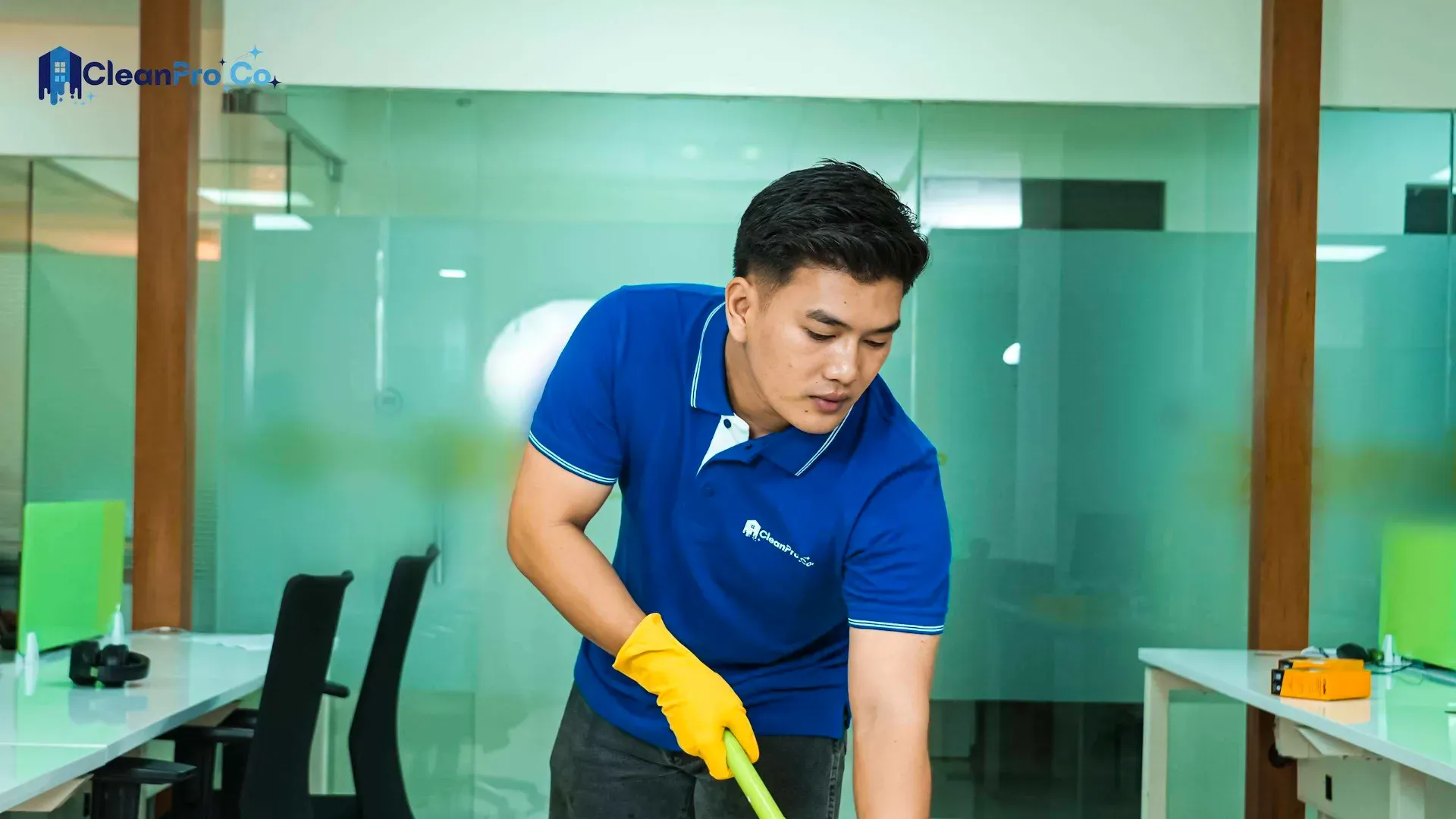
A clean gym is more than a place that looks attractive. It is an environment where members can exercise comfortably, use shared equipment with confidence, and maintain healthy fitness routines without unnecessary exposure to dirt, sweat, bacteria, and unpleasant odours. Because gyms experience constant foot traffic, frequent equipment use, and regular physical contact with shared surfaces, maintaining proper hygiene requires consistent attention and a structured cleaning routine.
From fitness equipment and changing rooms to showers, toilets, reception areas, and flooring, every part of a fitness facility needs an appropriate cleaning and disinfection process. Without a reliable gym cleaning checklist, important areas can easily be overlooked, allowing sweat, grime, moisture, and contaminants to accumulate throughout the day.
Whether you manage a small independent gym, a commercial fitness centre, a personal training studio, or a large sports facility, understanding how to maintain a hygienic fitness environment is essential. A well-planned cleaning programme helps protect members and employees, preserve expensive equipment, improve the overall experience, and maintain a professional business reputation.
What Is a Gym Cleaning Checklist?
A gym cleaning checklist is a structured cleaning plan that identifies which areas, surfaces, and equipment need cleaning and disinfection throughout the day, week, and month. It covers frequently touched equipment, workout areas, floors, bathrooms, showers, changing rooms, and shared facilities to maintain hygiene, reduce contamination risks, and create a safe environment for everyone.
Why Is Regular Gym Cleaning Important?
Gyms are high-contact environments where hundreds of people may share the same equipment, facilities, and surfaces every day. Sweat, skin oils, dust, body fluids, and moisture can accumulate quickly, particularly around exercise machines, free weights, benches, mats, and changing areas.
Regular gym cleaning helps control the accumulation of dirt and reduces the spread of germs through frequently touched surfaces. Although cleaning and disinfection are different processes, both are important. Cleaning physically removes visible dirt and organic material, while disinfection uses appropriate products to reduce microorganisms on suitable surfaces.
A consistent hygiene routine also improves the experience of gym members. People are more comfortable exercising in a facility where equipment is visibly clean, floors are maintained, bathrooms smell fresh, and waste is managed properly.
For gym owners, cleanliness also contributes to equipment longevity and operational efficiency. Sweat and moisture can damage metal components, affect upholstery, create unpleasant odours, and contribute to deterioration when left untreated.
Most importantly, a clean fitness facility demonstrates that management takes member wellbeing seriously. It creates confidence, encourages repeat visits, and supports a positive reputation within the local community.
Understanding the Main Areas That Require Gym Cleaning
An effective gym cleaning checklist should cover the entire facility rather than focusing only on visible workout equipment. Different areas have different hygiene requirements, cleaning frequencies, and surface materials.
Fitness Equipment and Exercise Machines
Fitness equipment is among the most frequently touched surfaces in any gym. Treadmills, stationary bikes, rowing machines, elliptical trainers, cable machines, and weight machines are regularly handled by multiple members throughout the day.
Handles, adjustment levers, touchscreens, seats, and control panels can accumulate sweat, skin oils, and dirt. These surfaces should receive regular attention, particularly during operating hours.
Equipment should be cleaned using products approved by the manufacturer. Strong chemicals, excessive moisture, or inappropriate cleaning methods can damage electronic displays, protective coatings, rubber components, and upholstered surfaces.
Members should also have convenient access to suitable equipment-cleaning supplies so they can wipe down machines after use. Staff should conduct additional inspections and cleaning throughout the day rather than relying entirely on members.
Free Weights, Dumbbells, and Strength Training Areas
Free-weight sections require particular attention because dumbbells, barbells, weight plates, kettlebells, and resistance equipment are constantly handled.
Sweat and skin oils can accumulate on grips and handles, making equipment unpleasant to use and potentially contributing to corrosion over time. These surfaces should be cleaned regularly, with particular attention to textured grips and areas where dirt can become trapped.
Weight racks and storage areas should also be cleaned because dust and debris can collect around equipment that is frequently moved.
Keeping free weights properly organised makes cleaning easier and reduces the risk of accidents caused by equipment being left on the floor.
Exercise Mats and Stretching Areas
Exercise mats are exposed to direct skin contact and may come into contact with sweat, footwear, and other contaminants. Yoga mats, stretching mats, foam rollers, and similar accessories require appropriate cleaning after use.
Shared mats should be cleaned and disinfected between users according to the material manufacturer’s instructions and the disinfectant’s contact-time requirements.
Stretching areas should also receive regular floor cleaning because sweat and moisture can transfer from mats onto surrounding surfaces.
A hygienic stretching area is particularly important because members often spend time sitting, lying down, or performing exercises close to the floor.
Gym Floors and High-Traffic Walkways
Gym floors experience constant movement from members, employees, and equipment. Dust, shoe marks, sweat, spilled drinks, and other debris can accumulate throughout the day.
Different flooring materials require different cleaning methods. Rubber gym flooring, vinyl, tiles, concrete, and specialist sports surfaces should be maintained using compatible cleaning solutions.
Sweat and moisture should be removed promptly to reduce slipping hazards. Floors should be cleaned using an appropriate method that does not leave slippery residue.
Special attention should be given to entrances, walkways, areas surrounding cardio equipment, weightlifting zones, and spaces near water stations.
Gym Bathroom and Shower Cleaning Checklist
Bathrooms and shower facilities require a more detailed cleaning routine because they combine frequent human contact with moisture and organic contamination.
Toilets and Bathroom Surfaces
Toilets, flush handles, taps, sinks, soap dispensers, door handles, and other frequently touched surfaces should be cleaned and disinfected regularly.
Cleaning staff should pay attention to areas that are often missed, including the underside of toilet seats, surrounding fixtures, corners, and the spaces behind bathroom equipment.
Suitable cleaning products should be used according to their instructions. Cleaning cloths and equipment used for toilets should remain separate from those used in other areas to prevent cross-contamination.
Waste bins should be emptied regularly, and handwashing supplies should be replenished before they run out.
Shower Areas and Changing Rooms
Showers and changing rooms are particularly vulnerable to moisture-related problems. Constant humidity, standing water, soap residue, and limited ventilation can encourage mould and mildew growth.
Shower floors, walls, taps, drains, benches, and partitions should be cleaned frequently. Staff should inspect grout lines, corners, and drainage areas where dirt and moisture can accumulate.
Changing room benches, lockers, handles, mirrors, and floors also require routine cleaning and disinfection where appropriate.
Proper ventilation is equally important. Extractor fans and air circulation systems should be maintained to help control excess moisture and reduce unpleasant smells.
Mirrors, Sinks, and Personal Care Areas
Mirrors, countertops, sinks, and personal care surfaces contribute significantly to the overall appearance of gym bathrooms.
Watermarks, toothpaste residue, soap deposits, and fingerprints can quickly make an otherwise clean facility look neglected.
These surfaces should be cleaned using appropriate products that remove visible residue without damaging finishes. Keeping wash areas dry and well-maintained also helps prevent the accumulation of dirt and unpleasant odours.
Reception Areas and Shared Facilities
A gym’s reception area creates the first impression for members and visitors. It should remain clean, organised, and welcoming throughout the day.
Reception counters, membership kiosks, payment terminals, door handles, waiting-area furniture, and shared pens are examples of frequently touched surfaces that need regular attention.
Water stations and vending areas should also be maintained carefully. Spills should be cleaned immediately, and frequently touched dispensing controls should receive appropriate cleaning.
Staff offices, meeting rooms, storage areas, and employee breakrooms should not be overlooked. Although these spaces may have less member traffic, they still require routine cleaning to maintain a healthy working environment.
Daily Gym Cleaning Checklist
Daily cleaning is the foundation of a hygienic fitness facility. It should take place before opening, during operating hours, and after closing.
Before the Gym Opens
Before members arrive, cleaning staff should inspect the entire facility and prepare it for daily operations.
Workout machines, benches, free weights, and frequently touched surfaces should be checked and cleaned as necessary. Floors should be swept, vacuumed, or mopped using suitable methods, while bathrooms and changing rooms should be cleaned, disinfected where appropriate, and restocked.
Reception counters, entrances, mirrors, and shared facilities should also be inspected.
The purpose of pre-opening cleaning is to ensure that members enter a facility that is ready for safe and comfortable use.
During Operating Hours
Cleaning should continue throughout the day because gym activity creates ongoing hygiene demands.
Staff should regularly inspect workout equipment, wipe down frequently touched surfaces, remove rubbish, clean spills, and monitor bathroom conditions.
Shower areas and changing rooms should be checked for standing water, unpleasant odours, and depleted supplies.
High-traffic areas may require several cleaning sessions throughout the day, depending on membership numbers and facility usage.
Prompt cleaning is especially important when dealing with spills because wet floors can create immediate slip hazards.
After the Gym Closes
Closing-time cleaning provides an opportunity to complete more detailed maintenance without interrupting members.
Equipment should receive a thorough inspection, floors should be cleaned, rubbish should be removed, and bathroom and shower facilities should receive appropriate attention.
Staff should also inspect corners, storage spaces, equipment bases, and other areas that may be missed during routine daytime cleaning.
A closing inspection helps ensure the facility is prepared for the next operating day.
Weekly and Monthly Gym Cleaning Tasks
Daily cleaning maintains basic hygiene, but certain areas require deeper attention to prevent long-term dirt accumulation and facility deterioration.
Weekly Deep Cleaning
Weekly gym cleaning should focus on areas that do not always receive detailed attention during daily maintenance.
Equipment bases, wall surfaces, ventilation covers, storage racks, locker interiors, hard-to-reach corners, and areas underneath movable equipment should be inspected and cleaned.
Shower grout, bathroom partitions, floor edges, and drains may also require more detailed cleaning depending on usage.
Upholstered equipment should be checked for accumulated dirt, damaged surfaces, and persistent odours.
Weekly inspections are also useful for identifying maintenance problems before they become expensive repairs.
Monthly Maintenance and Hygiene Inspections
Monthly cleaning inspections should evaluate the overall condition of the facility.
This includes checking ventilation systems, inspecting ceiling corners for signs of mould, examining floor surfaces for damage, and identifying areas where cleaning standards may have declined.
Air vents and accessible ventilation covers should be cleaned according to maintenance requirements. Professional servicing may be necessary for internal HVAC components.
Gym owners should also review cleaning records, product supplies, staff procedures, and equipment condition.
Monthly assessments help determine whether the existing cleaning schedule is sufficient for the facility’s actual usage.
How to Choose the Right Cleaning Products for a Gym
Choosing the correct cleaning products is essential for maintaining hygiene without damaging equipment or creating unnecessary chemical exposure.
Not every disinfectant is suitable for every surface. Fitness machines may contain electronic components, rubber grips, vinyl upholstery, painted metal, and plastic materials that respond differently to cleaning chemicals.
Gym management should select products that are appropriate for the surface, intended application, and required level of disinfection.
For example, equipment manufacturers may specify particular cleaning solutions for screens, upholstery, and metal surfaces. These instructions should always be followed.
Disinfectants should also be used according to their approved label directions, including the required contact time. A surface may need to remain visibly wet for a specified period to achieve the product’s intended effectiveness.
Staff should never mix cleaning chemicals, particularly products containing bleach with ammonia or acidic cleaners, because dangerous gases can be released.
Proper ventilation, protective gloves, suitable storage, and staff training are important parts of safe cleaning operations.
The Difference Between Cleaning, Sanitising, and Disinfecting
Understanding these three terms helps gym owners develop a more effective hygiene programme.
Cleaning involves physically removing visible dirt, dust, sweat, and organic material from surfaces. It usually involves water, detergent, and appropriate cleaning equipment.
Sanitising reduces the number of microorganisms on surfaces to levels considered acceptable under the relevant standard or product instructions.
Disinfecting uses approved chemical products to destroy or inactivate specific microorganisms on suitable surfaces.
These processes serve different purposes. Disinfecting a visibly dirty surface without cleaning it first may reduce effectiveness because organic material can interfere with the disinfectant.
For this reason, an effective gym hygiene programme generally begins with cleaning before disinfection when disinfection is required.
Not every surface needs the same treatment. Cleaning frequency and disinfection requirements should reflect the level of contact, contamination risk, material compatibility, and applicable public health guidance.
How to Prevent Cross-Contamination During Gym Cleaning
Cross-contamination occurs when dirt or microorganisms are transferred from one surface or area to another through cleaning equipment, hands, or other contact.
This can happen when the same cloth is used for bathroom fixtures and workout equipment, or when dirty mop water is spread across multiple areas.
A well-organised cleaning programme should use designated cloths, mops, buckets, and cleaning equipment for different facility zones.
Colour-coded cleaning systems can help staff identify which equipment belongs in bathrooms, workout areas, reception spaces, and other sections.
Cleaning tools should be washed, disinfected where appropriate, dried, and stored correctly after use.
Staff should also practise proper hand hygiene before and after cleaning tasks, particularly when handling waste or working in bathroom facilities.
These procedures help maintain consistent hygiene standards while reducing the likelihood of transferring contaminants between different parts of the gym.
Common Gym Cleaning Mistakes to Avoid
Even gyms with regular cleaning schedules can experience hygiene problems when important procedures are overlooked.
One common mistake is focusing only on visible surfaces. Equipment handles may look clean while adjustment controls, machine bases, storage racks, and surrounding floors remain neglected. A comprehensive cleaning plan must cover frequently touched and less visible areas.
Another mistake is relying entirely on members to clean shared equipment. While encouraging members to wipe down machines after use is helpful, responsibility for maintaining the overall facility remains with gym management.
Using the wrong cleaning chemicals is another serious problem. Harsh products can damage equipment upholstery, rubber flooring, electronic displays, and protective coatings. Cleaning products should always be compatible with the manufacturer’s instructions.
Some facilities also disinfect surfaces without removing dirt first. This can reduce the effectiveness of the disinfection process, particularly when organic material is present.
Inconsistent cleaning schedules create further problems. When staff do not know which tasks need to be completed or how frequently they should be performed, important areas can be overlooked.
Finally, poor ventilation and inadequate moisture management can contribute to persistent odours and mould growth. Cleaning alone cannot solve every moisture-related issue. Proper ventilation, drainage, and maintenance are also necessary.
Common Myths About Gym Cleaning
Myth: A Gym Is Clean If It Looks Clean
A visually attractive facility is not necessarily hygienic. Transparent surfaces, polished floors, and organised equipment may create a positive impression, but microorganisms and invisible contamination cannot always be identified through appearance alone.
Consistent cleaning procedures, suitable disinfection, and staff inspections are needed to maintain hygiene beyond what members can see.
Myth: Spraying Disinfectant Is Enough
Spraying disinfectant onto equipment does not automatically make it safe or properly disinfected.
The surface may need to be cleaned first, and the product may require a specific contact time to work effectively. Staff should follow the product label rather than immediately wiping away the solution.
Myth: Gym Members Are Responsible for Cleaning Everything They Use
Members should be encouraged to practise good hygiene, including wiping equipment after use and disposing of rubbish properly.
However, gym operators remain responsible for maintaining shared facilities and establishing appropriate cleaning procedures. Member participation should support, not replace, professional cleaning and maintenance.
Myth: Deep Cleaning Once a Week Is Sufficient
Weekly deep cleaning is useful, but it cannot replace daily maintenance.
Workout equipment, bathrooms, floors, and shared surfaces experience continuous use. They need attention throughout the day based on traffic, contact frequency, and contamination risk.
What Makes an Effective Gym Cleaning Programme?
An effective gym cleaning programme combines clear responsibilities, appropriate cleaning products, consistent schedules, and regular quality inspections.
The first step is understanding how the facility operates. A small personal training studio may require a different cleaning frequency from a large commercial gym with hundreds of daily visitors.
Cleaning schedules should reflect the number of members, operating hours, equipment availability, changing room usage, and the types of activities performed.
Staff should receive practical training on cleaning methods, disinfectant contact times, equipment compatibility, waste handling, and cross-contamination prevention.
Written cleaning records can improve accountability by documenting completed tasks, inspection results, and maintenance concerns.
Management should also conduct regular walkthroughs to identify areas that require additional attention.
When these procedures are consistently followed, cleaning becomes part of everyday gym operations rather than an occasional maintenance activity.
When Should a Gym Hire Professional Cleaning Services?
Some cleaning tasks can be managed by in-house staff, but professional cleaning support may be valuable when a facility requires more extensive maintenance or specialist attention.
Large fitness centres, gyms with heavy daily traffic, and facilities with multiple bathrooms and shower areas often benefit from a structured commercial cleaning arrangement.
Professional cleaners can help maintain floors, bathrooms, changing rooms, reception areas, shared facilities, and other high-use spaces.
They can also provide more detailed cleaning services based on the facility’s requirements, including scheduled deep cleaning and specialist floor care.
Gym owners should look for cleaning providers that understand commercial cleaning procedures, use appropriate equipment, follow safe chemical-handling practices, and can work around operating hours.
A reliable cleaning arrangement allows gym employees to concentrate on member service, coaching, and daily operations while maintaining a consistently hygienic environment.
How Gym Cleanliness Improves Member Experience and Business Reputation
Cleanliness has a direct influence on how members perceive a fitness facility.
People want to exercise in an environment where they feel comfortable using shared equipment, walking through changing rooms, and accessing bathroom facilities.
Unpleasant smells, dirty floors, overflowing rubbish bins, and visibly neglected equipment can quickly create a negative impression.
On the other hand, clean and organised facilities communicate professionalism and attention to detail.
A hygienic environment can also support member retention. People are more likely to feel confident returning to a facility when they see that management takes cleanliness seriously.
From a business perspective, maintaining high cleaning standards helps protect the facility’s reputation and supports a better overall customer experience.
Cleanliness should therefore be treated as an essential part of gym management, not simply an additional maintenance expense.
Gym Cleaning Checklist: Summary of Essential Practices
Maintaining a hygienic fitness facility requires more than occasional sweeping and wiping. It involves a consistent approach to cleaning exercise machines, free weights, workout mats, flooring, bathrooms, showers, changing rooms, reception areas, and shared facilities.
Daily cleaning should address frequently touched surfaces, visible dirt, spills, rubbish, and high-traffic areas. Weekly deep cleaning should focus on neglected spaces, equipment bases, storage areas, and detailed bathroom maintenance. Monthly inspections should evaluate ventilation, flooring, equipment condition, and the effectiveness of existing cleaning procedures.
The most effective approach combines suitable cleaning products, proper disinfection, trained staff, moisture control, cross-contamination prevention, and documented cleaning schedules.
Key Takeaways
A hygienic gym starts with a structured cleaning checklist that covers every part of the facility, from workout equipment to bathrooms and changing rooms. High-contact surfaces should receive regular attention, while spills and moisture should be addressed promptly to prevent hygiene problems and potential accidents.
Cleaning and disinfection should be treated as separate but complementary processes. Appropriate products, manufacturer-approved methods, correct contact times, and properly maintained cleaning equipment all contribute to better results.
Consistency is what makes a cleaning programme effective. Daily maintenance, weekly deep cleaning, monthly inspections, and trained cleaning staff help create a safer, more welcoming, and professionally maintained fitness environment.
Frequently Asked Questions About Gym Cleaning
How Often Should a Gym Be Cleaned?
A gym should be cleaned throughout the day, with high-contact equipment, shared surfaces, bathrooms, and frequently used areas receiving regular attention. Daily cleaning should take place before opening, during operating hours, and after closing. Weekly deep cleaning and monthly maintenance inspections help maintain long-term hygiene.
What Areas of a Gym Need the Most Frequent Cleaning?
Frequently touched surfaces and high-use areas generally require the most attention. These include exercise machine handles, dumbbells, benches, weight equipment, workout mats, door handles, bathroom fixtures, shower areas, and changing room surfaces. Cleaning frequency should reflect how often these areas are used and their potential contamination risks.
What Is the Difference Between Gym Cleaning and Gym Disinfection?
Gym cleaning removes visible dirt, sweat, dust, and organic material from surfaces. Disinfection uses approved products to reduce or eliminate specified microorganisms on suitable surfaces. Cleaning should generally take place before disinfection when both processes are required.
What Cleaning Products Are Safe for Gym Equipment?
Safe cleaning products depend on the equipment’s materials and manufacturer recommendations. Fitness machines may contain sensitive electronic screens, rubber components, metal frames, and upholstered surfaces. Gym operators should select compatible products and follow the manufacturer’s instructions to prevent damage.
How Can Gyms Prevent Bad Smells?
Preventing unpleasant gym odours requires regular cleaning, proper waste management, good ventilation, moisture control, and routine maintenance of showers and changing rooms. Sweat-soaked surfaces, damp mats, dirty drains, and insufficient airflow should be addressed promptly rather than covered with air fresheners.
Why Is Professional Gym Cleaning Important?
Professional gym cleaning helps maintain consistent hygiene standards, particularly in facilities with heavy foot traffic and extensive shared equipment. Experienced cleaners can provide scheduled maintenance, detailed bathroom cleaning, floor care, and other services that support a clean and welcoming fitness environment.
How Can Gym Owners Maintain Cleaning Standards?
Gym owners can maintain cleaning standards by establishing written cleaning schedules, assigning clear staff responsibilities, providing suitable cleaning products, training employees, and conducting regular inspections. Documenting completed tasks also helps identify missed areas and maintain accountability.
Conclusion: Maintain a Cleaner, Healthier, and More Welcoming Gym
A hygienic fitness facility creates a better experience for members while supporting the long-term success of the business. From exercise machines and free weights to bathrooms, showers, and changing rooms, every area deserves consistent attention and an appropriate cleaning approach.
Following a structured gym cleaning checklist helps prevent dirt and moisture from accumulating, reduces contamination risks, protects equipment, and maintains a professional appearance. More importantly, it demonstrates a genuine commitment to the comfort and wellbeing of everyone who uses the facility.
For gym owners and facility managers, investing in reliable cleaning procedures is an investment in member confidence, operational quality, and business reputation.
If your fitness facility needs consistent, professional cleaning support, consider working with an experienced commercial cleaning team that understands the hygiene requirements of busy fitness environments. A cleaner gym is a more welcoming place to train, work, and achieve fitness goals.