
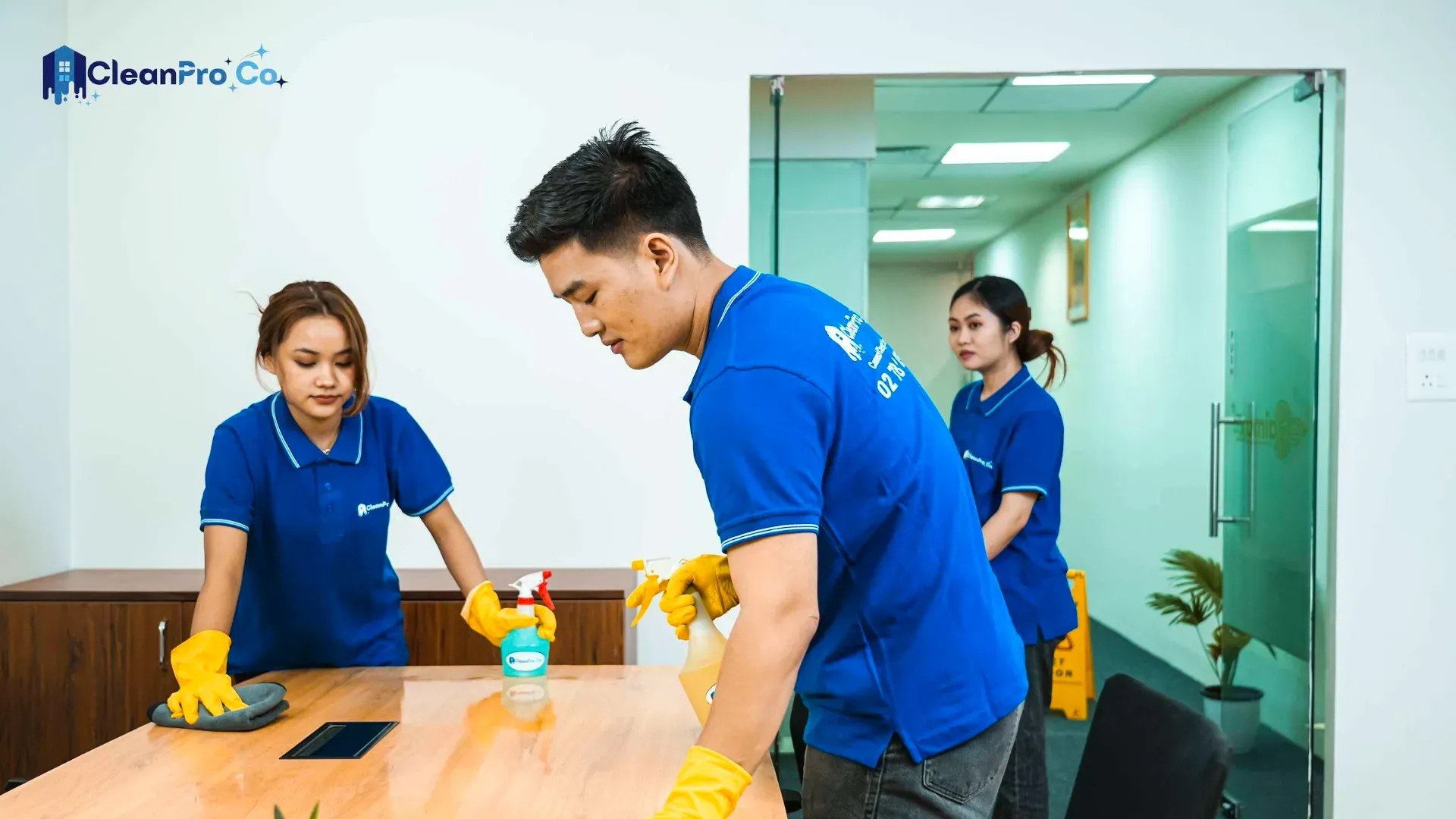
Schools are busy environments where hundreds or even thousands of students, teachers, and staff members share classrooms, hallways, restrooms, cafeterias, and common facilities every day. With so many people touching the same surfaces, germs can easily spread throughout the school, increasing the risk of illness and disrupting regular learning activities. While routine cleaning helps maintain a neat and comfortable environment, certain frequently touched surfaces require more focused attention. Understanding the high-touch areas in schools that need daily disinfection helps school administrators, facility managers, and cleaning teams create safer, healthier, and more hygienic learning spaces.
Which Areas in Schools Need Daily Disinfection?
The high-touch areas in schools that need daily disinfection include classroom desks, door handles, light switches, shared learning equipment, computer keyboards, restroom fixtures, cafeteria tables, handrails, water fountains, and frequently used office surfaces. These areas are touched repeatedly throughout the day, making regular cleaning and appropriate disinfection important for reducing the spread of germs.
Why Daily Disinfection Matters in Schools
Schools bring together people with different hygiene habits, health conditions, and daily routines. Students frequently share supplies, move between classrooms, use common facilities, and interact with surfaces touched by many others. This creates opportunities for bacteria and viruses to transfer from hands to surfaces and potentially to other people.
High-touch surfaces are particularly important because they receive repeated contact throughout the school day. A classroom desk may be used by several students, while a restroom faucet or hallway handrail may be touched by hundreds of individuals. Without an effective cleaning and disinfection routine, these surfaces can become points where germs are transferred.
Daily school disinfection helps reduce contamination on frequently touched surfaces when performed correctly. It also supports better hygiene habits, creates a more comfortable learning environment, and demonstrates that the school takes the health and safety of its community seriously.
However, disinfection should not replace routine cleaning. Dirt, dust, food residue, and other visible materials should be removed before applying an appropriate disinfectant. Following product instructions, including required contact time, is essential for effective results.
10 High-Touch Areas in Schools That Need Daily Disinfection
1. Classroom Desks and Student Tables
Classroom desks and student tables are among the most frequently touched surfaces in any school. Students spend several hours each day writing, reading, eating snacks, completing assignments, and using shared learning materials on these surfaces.
During normal classroom activities, desks can collect food crumbs, saliva droplets, dirt, and microorganisms transferred from students’ hands. When students share desks or move between classrooms, the potential for surface contamination increases.
Daily cleaning and appropriate disinfection of classroom desks help maintain a hygienic environment for students. Cleaning staff should pay attention to the entire working surface, including the edges and areas where students commonly rest their hands. Tables used for group activities, science experiments, and shared projects also require regular attention.
Schools should schedule desk cleaning between school days or after classroom activities when necessary. If a desk becomes visibly contaminated during the day, it should be cleaned and disinfected before another student uses it.
2. Door Handles and Door Push Plates
Door handles are some of the most frequently touched surfaces throughout a school building. Students, teachers, visitors, and maintenance personnel use them when entering classrooms, offices, restrooms, laboratories, and other facilities.
Because many individuals touch the same handles throughout the day, these surfaces can contribute to the transfer of germs between people and different areas of the building.
Both sides of frequently used doors should receive attention during daily disinfection. Cleaning teams should also inspect push plates, door edges, and frequently touched access points that may be overlooked during routine cleaning.
Classroom entrances, main building doors, restroom doors, staff room entrances, and administrative office doors deserve particular attention because of their high traffic.
Maintaining clean door handles is a simple but important part of a comprehensive school hygiene program.
3. Light Switches and Electrical Control Panels
Light switches are often overlooked during school cleaning because they are small and do not appear visibly dirty. However, students and staff regularly touch them when entering or leaving rooms, turning on classroom lights, and using shared facilities.
In classrooms, offices, laboratories, and meeting rooms, multiple people may use the same switches throughout the day. This repeated contact makes them important surfaces to include in a daily cleaning and disinfection routine.
Cleaning staff should carefully disinfect commonly used switch plates and approved control surfaces. Electrical equipment must never be sprayed directly with cleaning solutions. Instead, staff should follow manufacturer instructions and use an appropriate application method that prevents moisture from entering electrical components.
Other frequently touched controls, such as approved buttons on shared equipment, may also require attention depending on their use and compatibility with cleaning products.
4. Computer Keyboards, Mice, and Shared Technology
Technology plays an important role in modern education. Students and teachers regularly use desktop computers, laptops, tablets, interactive displays, and other digital learning equipment.
Computer keyboards and mice are particularly important because users touch them repeatedly while studying, typing assignments, browsing educational materials, and completing classroom activities.
When computers are shared between different students or classes, the same devices may be handled by dozens of people in a single day. This increases the importance of regular cleaning and appropriate disinfection.
Cleaning teams should focus on frequently used keyboards, mice, touchscreens, tablet surfaces, and approved control panels. Devices should be switched off when appropriate, and cleaning products must be compatible with the equipment manufacturer’s recommendations.
Excessive moisture should be avoided because it can damage electronic components. Using suitable wipes and following the correct cleaning instructions helps maintain hygiene without affecting the equipment.
Schools should also encourage students to wash or sanitize their hands before and after using shared technology.
5. Restroom Faucets, Flush Handles, and Door Locks
School restrooms require particular attention because they are shared facilities used repeatedly throughout the day. Faucets, toilet flush handles, stall locks, soap dispensers, and restroom door handles are all frequently touched surfaces.
These areas may become contaminated through contact with unwashed hands, bodily fluids, and other sources of microorganisms. Poor restroom hygiene can also create unpleasant smells, reduce student comfort, and affect the overall cleanliness of the school.
Daily restroom disinfection should include frequently touched fixtures, including faucet handles, flush buttons, stall locks, and door hardware. Sink counters and other frequently used surfaces should also be cleaned regularly.
Cleaning staff should use appropriate disinfectants for restroom surfaces and follow the recommended contact time. Toilets and urinals require separate cleaning procedures, and cloths or tools used for these areas should never be transferred to classrooms or food preparation spaces.
Restrooms with heavy student traffic may require additional cleaning and disinfection throughout the school day rather than a single cleaning session.
6. Cafeteria Tables, Chairs, and Food Service Surfaces
School cafeterias are high-traffic environments where students gather to eat, socialize, and spend time between lessons. Tables and chair backs are touched by many different students during breakfast, lunch, and snack periods.
Food spills, crumbs, sticky residues, and hand contact can quickly make cafeteria surfaces dirty. These conditions make proper cleaning especially important for maintaining food hygiene and reducing opportunities for contamination.
Cafeteria tables should be cleaned and appropriately disinfected between uses when required by the school’s food safety procedures. Chair backs, table edges, serving-area contact points, and other frequently touched surfaces should also be included in the cleaning schedule.
Food contact surfaces require particular care. If a disinfectant is not approved for direct food contact, the surface may need to be rinsed with potable water after the required contact time, according to the product label and applicable food safety requirements.
Cleaning teams should use separate tools for cafeteria areas and restroom cleaning to prevent cross-contamination.
7. Staircase Handrails and Hallway Railings
Hallways and staircases experience constant movement throughout the school day. Students hold handrails while walking between floors, moving toward classrooms, and navigating crowded staircases.
Because these surfaces are touched by numerous people, they can become frequently contacted points within the school environment.
Staircase handrails, hallway railings, entrance supports, and other shared gripping surfaces should be included in daily disinfection schedules.
Cleaning staff should pay attention to the full length of frequently used railings, including corners, joints, and sections near classroom entrances. Schools with multiple floors or large student populations may benefit from additional cleaning during peak movement periods.
Keeping handrails clean is particularly important because students often touch these surfaces before handling books, personal belongings, or classroom equipment.
A consistent cleaning routine helps reduce surface contamination while supporting a cleaner and more comfortable school environment.
8. Water Fountains and Drinking Station Buttons
Water fountains and drinking stations are shared facilities that students use throughout the day. Frequently touched areas include activation buttons, faucet controls, bottle-filling buttons, and surrounding surfaces.
Because these stations are used by many individuals, they can accumulate contamination from repeated hand contact. Moisture around drinking stations can also contribute to the buildup of dirt and residue if the surrounding area is not maintained properly.
Daily cleaning and appropriate disinfection should focus on frequently touched controls and surrounding contact surfaces. Schools should also inspect drinking fountains for visible buildup, standing water, and maintenance problems.
Water outlets and drinking nozzles require special attention because they come into contact with drinking water or the mouth. Cleaning and sanitizing procedures should follow the equipment manufacturer’s instructions and applicable drinking-water safety requirements.
It is equally important to keep nearby floors dry and clean to reduce slip hazards and maintain a hygienic drinking area.
9. Shared Learning Materials, Sports Equipment, and Classroom Supplies
Many school activities involve students sharing physical materials. Books, markers, scissors, art supplies, laboratory tools, sports equipment, musical instruments, and educational toys may pass between multiple users throughout the day.
These items are often handled repeatedly, making them potential sources of surface contamination.
Shared equipment should be cleaned regularly according to its material, intended use, and manufacturer’s recommendations. Frequently used nonporous items that are compatible with disinfectants may require appropriate disinfection, especially after use by multiple groups.
Sports equipment deserves additional attention because students handle balls, mats, exercise tools, and other items during physical education activities. These items may come into contact with sweat, dirt, and other contaminants.
Not every classroom material can safely be disinfected using the same product. Porous books, paper materials, fabric items, and electronic learning tools may require different cleaning approaches.
Schools should establish clear procedures for identifying which shared items require cleaning after each use and which can be included in the daily disinfection schedule.
10. Reception Counters, Office Desks, and Shared Administrative Equipment
School reception areas and administrative offices receive a steady flow of students, parents, visitors, teachers, and staff members.
Reception counters, visitor sign-in equipment, office door handles, shared pens, telephone handsets, and approved keyboard and mouse surfaces are commonly touched throughout the day.
These spaces are especially important because they serve as the main point of contact between the school and the wider community.
Daily cleaning and disinfection should focus on reception counters, shared office equipment, visitor check-in areas, and other frequently handled surfaces. Staff members should also avoid sharing personal items unnecessarily and should maintain good hand hygiene.
Keeping administrative spaces clean helps create a positive first impression while supporting a healthier environment for employees and visitors.
How an Effective School Disinfection Routine Works
An effective school disinfection program begins with identifying the surfaces that receive the most contact throughout the day. Rather than treating every surface equally, cleaning teams should prioritize areas based on how frequently they are touched, the number of people using them, the type of contamination involved, and the vulnerability of the people using the facility.
The first stage is routine cleaning. Dirt, dust, food residue, and visible debris should be removed using an appropriate cleaning solution and method. This prepares the surface for disinfection and helps prevent organic material from interfering with the disinfectant.
The next stage involves applying an appropriate disinfectant to compatible surfaces. Staff must follow the product label, including the required dilution, application method, safety precautions, and contact time. Contact time refers to the amount of time a surface must remain visibly wet for the disinfectant to work as directed.
After disinfection, surfaces should be allowed to dry or rinsed when the product instructions require it. Cleaning equipment should also be maintained properly to avoid transferring contamination from one area to another.
A well-organized system includes documented cleaning schedules, staff responsibilities, suitable products, and regular quality checks.
Why High-Touch Surface Disinfection Is Important for Student Health
Children and teenagers spend a significant portion of their day inside school buildings. They interact with classmates, share educational resources, eat meals, and use common facilities. This makes maintaining a hygienic environment an important part of school health and safety.
Frequently touched surfaces can contribute to the transfer of microorganisms when contaminated hands or objects come into contact with other people. Although surface transmission is only one possible route of infection, reducing contamination can support broader infection prevention efforts.
Daily disinfection also helps schools respond more effectively during periods of increased respiratory or gastrointestinal illness. When combined with handwashing, appropriate ventilation, respiratory hygiene, and staying home when sick, surface hygiene becomes part of a more complete approach to reducing infection risks.
Beyond physical health, a clean school environment can improve confidence among parents, students, and teachers. Families want to know that their children are spending time in facilities where cleanliness and hygiene are taken seriously.
What Makes School Disinfection Effective?
The effectiveness of school disinfection depends on more than simply applying cleaning products to surfaces. Proper product selection, correct application, consistent schedules, and trained personnel all play important roles.
The disinfectant must be suitable for the surface and the microorganisms being targeted. Schools should select products with appropriate regulatory authorization for their intended use and follow all label instructions.
Contact time is another critical factor. A disinfectant may not work as intended if it is wiped away before the required contact time has passed. Cleaning teams must understand that spraying a surface and immediately wiping it dry does not necessarily provide effective disinfection.
Consistency also matters. A school may have excellent cleaning procedures on paper, but these procedures will not deliver reliable results if they are not followed every day.
Training helps staff understand safe chemical handling, correct dilution, personal protective equipment, surface compatibility, and cross-contamination prevention. Supervisors should periodically inspect completed work and update procedures when school activities or facility conditions change.
Common School Disinfection Mistakes to Avoid
One common mistake is confusing cleaning with disinfection. Cleaning removes visible dirt and many germs, while disinfection uses appropriate chemicals or processes to inactivate microorganisms on surfaces. Both are important, but they serve different purposes.
Another mistake is disinfecting surfaces without cleaning them first. Food residue, dirt, and other organic materials can interfere with the effectiveness of certain disinfectants. Proper surface preparation is therefore essential.
Some cleaning teams also overlook smaller surfaces such as light switches, computer mice, faucet handles, and shared pens. These areas may appear insignificant, but frequent hand contact makes them important parts of a complete hygiene routine.
Using too much cleaning chemical is another problem. Applying a stronger concentration than recommended does not automatically improve disinfection and may create unnecessary health and safety risks. Incorrect chemical mixing can also produce dangerous fumes.
Finally, schools sometimes rely on a single end-of-day cleaning session even when certain areas experience heavy use throughout the day. Restrooms, cafeterias, and shared learning spaces may need additional attention between scheduled cleaning periods.
Common Myths About Disinfecting Schools
Myth: A Clean-Looking Classroom Is Always Germ-Free
A classroom can appear spotless while still containing microorganisms on frequently touched surfaces. Many forms of contamination are invisible to the human eye. Visual cleanliness is important, but it does not prove that a surface has been properly disinfected.
Myth: Spraying More Disinfectant Always Produces Better Results
Using excessive disinfectant does not guarantee better protection. The correct product, application method, concentration, and contact time are more important than simply using more chemicals. Following manufacturer instructions helps achieve effective results while protecting students and staff.
Myth: Every Surface in a School Needs the Same Disinfectant
Different materials require different cleaning methods. Electronics, porous materials, food contact surfaces, metal fixtures, and plastic equipment may have different compatibility requirements. Selecting the appropriate product for each surface helps prevent damage and improves cleaning effectiveness.
Myth: Disinfecting Once a Day Is Enough for Every School Area
Daily disinfection is an important baseline, but some high-traffic areas require more frequent attention. Restrooms, cafeteria tables, and shared equipment may need cleaning and disinfection between uses or during the school day, depending on their condition and level of contact.
Myth: Disinfection Alone Prevents the Spread of Illness
Disinfection is only one part of school infection prevention. Proper handwashing, good ventilation, respiratory hygiene, appropriate food handling, and responsible illness management are also essential. A comprehensive approach provides better protection than relying on surface treatments alone.
Creating a Practical Daily School Disinfection Schedule
A practical disinfection schedule should reflect how each area is used rather than following a one-size-fits-all approach. Schools with large student populations, multiple buildings, or shared facilities may require more detailed cleaning plans.
Classrooms should receive routine attention to desks, chairs, switches, door handles, and shared equipment. Restrooms should have frequent inspections and cleaning throughout the day, particularly during breaks and lunch periods.
Cafeteria surfaces should be cleaned between dining sessions, while shared technology and learning materials should be maintained according to their use and material requirements.
School administrators should assign clear responsibilities to cleaning personnel and establish procedures for reporting spills, visible contamination, and other urgent cleaning needs.
Documentation is also important. Cleaning logs can help supervisors confirm that scheduled tasks have been completed, identify missed areas, and maintain accountability across different shifts.
Regular reviews allow schools to adjust their procedures when enrollment changes, seasonal illness increases, or new facilities and equipment are introduced.
How Professional School Cleaning Supports a Healthier Learning Environment
Maintaining school hygiene requires planning, experience, suitable equipment, and consistent execution. Professional cleaning teams can help schools establish structured procedures that address both everyday cleanliness and higher-risk touchpoints.
A professional approach considers the different needs of classrooms, laboratories, cafeterias, restrooms, offices, gyms, and shared facilities. Each environment has its own cleaning requirements, surface materials, and potential sources of contamination.
Trained cleaning personnel understand the importance of using appropriate products, preventing cross-contamination, following safety instructions, and maintaining consistent cleaning standards.
Professional school cleaning also helps reduce the workload placed on teachers and administrative staff, allowing them to focus more attention on education and student support.
For school administrators, investing in a structured cleaning program is an investment in the overall condition, safety, and reputation of the learning environment.
Summary: The Most Important Areas to Disinfect Every Day
The most important high-touch areas in schools include classroom desks, door handles, light switches, computer equipment, restroom fixtures, cafeteria tables, staircase handrails, drinking stations, shared learning materials, and administrative surfaces.
These areas deserve regular attention because they are repeatedly handled by students, teachers, staff, and visitors. Effective disinfection requires proper cleaning beforehand, suitable products, correct contact times, trained personnel, and consistent monitoring.
Schools should also recognize that high-traffic areas may need additional cleaning throughout the day. Combining surface hygiene with handwashing, ventilation, and responsible health practices creates a more complete approach to maintaining a healthy learning environment.
Key Takeaways
Daily school disinfection should prioritize surfaces that receive repeated contact from multiple people. Areas such as desks, door handles, restroom fixtures, cafeteria tables, and shared technology should be included in a structured hygiene program.
Effective disinfection is not simply about applying chemicals. Surfaces must be cleaned properly, suitable products must be selected, and manufacturer instructions must be followed carefully.
Consistency is equally important. A documented cleaning schedule, trained staff, appropriate equipment, and regular inspections help ensure that important areas are not overlooked.
Most importantly, school hygiene should be treated as an ongoing responsibility rather than an occasional task. A clean and well-maintained school supports student well-being, improves comfort, and helps create an environment where learning can thrive.
Frequently Asked Questions About School Disinfection
What areas in schools should be disinfected every day?
Frequently touched surfaces such as classroom desks, door handles, light switches, computer keyboards, restroom fixtures, cafeteria tables, handrails, water fountain controls, shared equipment, and reception counters should receive regular attention. The exact schedule should depend on how frequently each area is used and its potential contamination risk.
How often should school restrooms be disinfected?
School restrooms should be cleaned and appropriately disinfected regularly throughout the day, especially during high-traffic periods. Faucets, flush handles, stall locks, door handles, and other frequently touched surfaces may require attention multiple times daily. The schedule should reflect restroom usage and observed conditions.
What is the difference between cleaning and disinfecting in schools?
Cleaning removes dirt, debris, and many germs from surfaces, while disinfection uses suitable products to inactivate microorganisms. Cleaning should generally take place before disinfection because visible soil and organic material can reduce the effectiveness of some disinfectants.
Do classroom desks need to be disinfected daily?
Yes. Classroom desks should be cleaned regularly and disinfected according to the school’s hygiene procedures, particularly when multiple students share the same desks. Additional cleaning may be necessary when desks become visibly contaminated or are used for food-related activities.
Are computer keyboards and tablets important areas to disinfect?
Yes. Shared keyboards, mice, tablets, touchscreens, and other learning devices receive frequent hand contact. They should be cleaned and disinfected using products and methods approved for the equipment. Excessive moisture and incompatible chemicals should be avoided to prevent damage.
What disinfectant should schools use?
Schools should use disinfectants that are authorized for their intended application and suitable for the surfaces being treated. Cleaning personnel must follow label instructions regarding dilution, contact time, protective equipment, ventilation, and any required rinsing. Products should also be stored securely away from students.
Can daily disinfection completely prevent illness in schools?
No. Daily disinfection can help reduce microorganisms on frequently touched surfaces, but it cannot eliminate every possible source of infection. Schools should combine proper surface hygiene with handwashing, adequate ventilation, respiratory hygiene, safe food handling, and appropriate illness management.
Conclusion: Make School Hygiene a Daily Priority
A healthy school environment starts with consistent attention to the areas students and staff touch most often. From classroom desks and door handles to restroom fixtures and cafeteria tables, these frequently used surfaces play an important role in everyday school hygiene.
Daily cleaning and appropriate disinfection help reduce surface contamination, support better hygiene practices, and create a more comfortable environment for learning. However, lasting results require more than occasional cleaning. Schools need clear procedures, trained cleaning personnel, suitable disinfectants, and regular monitoring to maintain reliable standards.
For school administrators, facility managers, and education providers, prioritizing high-touch surface disinfection is a practical step toward protecting the school community and maintaining a positive learning environment.
If your school needs a more consistent approach to cleanliness and hygiene, consider working with an experienced professional cleaning team that understands the specific requirements of educational facilities. A well-maintained school is not just cleaner; it is a more welcoming place for students to learn, teachers to work, and families to feel confident.