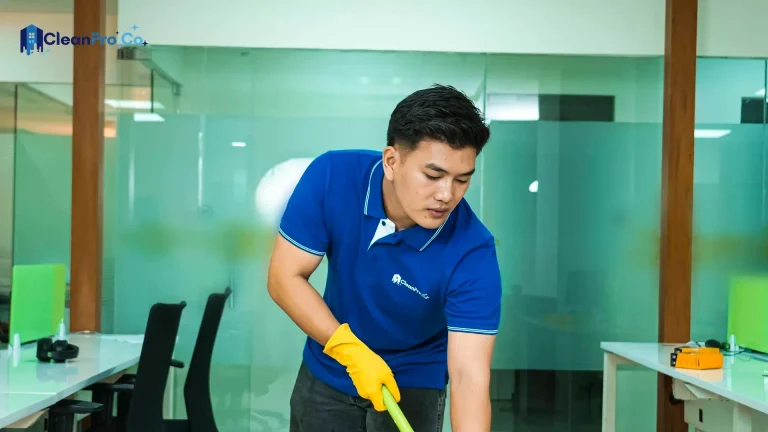
Moving out of a rental property can be stressful, especially when you need to organise packing, transportation, paperwork, and your final property inspection. One of the most important responsibilities is making sure the property is properly cleaned before handing back the keys. Following a detailed end of lease cleaning checklist helps tenants avoid overlooked areas, meet their rental agreement requirements, and improve their chances of receiving their bond back.
What Should Tenants Clean Before Moving Out?
Tenants should clean every area of their rental property before moving out, including kitchens, bathrooms, bedrooms, living spaces, windows, floors, walls, cupboards, and appliances. The property should generally be returned in a reasonably clean condition, allowing for fair wear and tear. Always check your lease agreement and original condition report before the final inspection.
What Is an End of Lease Cleaning Checklist?
An end of lease cleaning checklist is a practical guide that helps tenants identify everything that needs attention before leaving a rental property. It covers the cleaning tasks required throughout the home, from visible surfaces and floors to less noticeable areas such as cupboard interiors, window tracks, exhaust fans, and skirting boards.
Unlike regular household cleaning, end of lease cleaning requires a more detailed approach. Everyday cleaning focuses on maintaining a comfortable living environment, while move-out cleaning prepares the property for inspection and the next occupants.
In Australia, tenants are generally expected to leave a rental property reasonably clean, taking into account its original condition and fair wear and tear. Specific requirements can depend on the tenancy agreement and applicable state or territory laws.
For this reason, a thorough cleaning process should always begin with reviewing the original property condition report. This gives tenants a clearer understanding of what was already present when they moved in and what needs to be addressed before moving out.
Why Is End of Lease Cleaning Important?
End of lease cleaning is important because the condition of a rental property can affect the final inspection and the return of a tenant’s rental bond.
Property managers and landlords typically inspect the home after the tenancy ends. They compare its condition with the original inspection report and consider whether the property has been maintained appropriately.
If the property has excessive dirt, grease, stains, or neglected areas, the tenant may be asked to address the cleaning issues. Depending on the circumstances and applicable tenancy rules, unresolved issues may lead to a bond dispute or cleaning-related deductions.
A properly cleaned property also makes the handover process easier. It demonstrates that the tenant has taken care of the home and helps prepare the space for the next occupants.
Most importantly, completing the cleaning before the final inspection reduces unnecessary stress. Instead of rushing to fix missed areas at the last minute, tenants can approach their move with greater confidence.
Complete End of Lease Cleaning Checklist for Every Room
Kitchen Cleaning Checklist
The kitchen is one of the most important areas during an end of lease inspection because cooking naturally creates grease, food residue, and stubborn stains.
Start by cleaning the oven, including the interior surfaces, racks, trays, and oven door. Remove accumulated grease and burnt food particles using suitable cleaning products. Pay attention to the stovetop, burners, rangehood, and exhaust filters, as these areas can collect significant amounts of cooking residue.
Clean the microwave inside and out, including the rotating plate and interior walls. If the property includes a dishwasher, clean the filter, remove food residue, and wipe the interior surfaces and door.
Cupboards and drawers should be emptied and cleaned thoroughly. Remove crumbs, dust, and spills from their interiors before wiping the exterior doors and handles.
The kitchen sink, taps, splashback, and benchtops should also be cleaned and disinfected where appropriate. Remove visible watermarks, food stains, and grease while paying attention to corners and areas behind appliances.
Finally, sweep and mop the kitchen floor, ensuring that corners, edges, and spaces beneath movable appliances are not overlooked.
Bathroom Cleaning Checklist
Bathrooms require detailed cleaning because moisture, soap residue, and mineral deposits can build up over time.
Clean the shower screens, tiles, showerheads, taps, and drainage areas. Remove soap scum and visible watermarks from glass surfaces. Pay particular attention to grout lines, where dirt and mould can accumulate.
The toilet should be thoroughly cleaned, including the bowl, seat, lid, exterior, base, and surrounding floor. Wipe the flush button and other frequently touched surfaces.
Clean the bathroom vanity, sink, mirrors, and cupboards. Remove personal belongings and check drawers for leftover items or debris.
Exhaust fans should be free from visible dust, while bathroom floors should be vacuumed or swept before mopping. Check corners and areas behind the toilet where dirt can easily be missed.
A clean bathroom should look fresh, hygienic, and free from avoidable soap residue, hair, dust, and visible grime.
Bedroom Cleaning Checklist
Bedrooms may appear easier to clean than kitchens and bathrooms, but they still require careful attention during the final inspection.
Begin by removing all personal belongings, furniture, clothing, and rubbish. Empty wardrobes and built-in cupboards completely, then wipe their shelves, drawers, rails, and internal surfaces.
Clean mirrors, windows, window sills, and window tracks. Remove dust from ceiling fans, light fittings, and other accessible fixtures.
Skirting boards, door frames, doors, and handles should also be wiped to remove fingerprints and accumulated dust.
Vacuum carpets thoroughly, including corners and areas where furniture was previously positioned. If the bedroom has hard flooring, sweep and mop the entire surface.
Check walls for removable marks and clean them carefully using suitable methods that will not damage the paint.
Living Room and Common Areas
Living rooms and shared spaces often collect dust from everyday activities, furniture, and foot traffic.
Clean all accessible surfaces, including shelves, cabinets, entertainment units, and built-in storage. Remove cobwebs from corners and ceilings, and wipe down doors, handles, light switches, and skirting boards.
Windows and glass doors should be cleaned to remove fingerprints, dust, and visible marks. Window tracks and frames also need attention because dirt frequently accumulates in these overlooked areas.
Vacuum carpets and rugs that belong to the property. For tiled, timber, or other hard floors, remove dust and debris before mopping with an appropriate cleaning solution.
If the property includes ceiling fans, air conditioning vents, or accessible light fittings, check for accumulated dust and clean them where appropriate.
Laundry and Utility Areas
Laundry rooms are sometimes overlooked during move-out cleaning, even though they can accumulate detergent residue, lint, moisture, and dirt.
Clean the laundry tub, taps, cabinets, benchtops, and surrounding walls. Remove detergent spills and wipe the inside of cupboards and storage spaces.
If the washing machine or dryer belongs to the property, clean the accessible surfaces and remove any remaining lint or residue. Check the lint filter where applicable.
Clean the floor, including the corners behind movable appliances, and ensure the area is free from rubbish and leftover cleaning products.
Windows, Glass, and Window Tracks
Windows are an important part of the overall presentation of a rental property.
Clean accessible interior glass surfaces to remove fingerprints, dust, and smudges. Wipe window frames, sills, and tracks, paying particular attention to accumulated dirt in corners and sliding door channels.
If the property includes glass doors, mirrors, or internal glass partitions, these should also be checked for visible marks.
Exterior window cleaning may depend on the property, accessibility, tenancy agreement, and safety requirements. Tenants should never attempt dangerous exterior cleaning without appropriate equipment or professional assistance.
Walls, Doors, Skirting Boards, and Fixtures
Walls and other frequently touched surfaces can develop fingerprints, scuff marks, and everyday dirt throughout a tenancy.
Inspect walls carefully and address removable marks using gentle cleaning methods. Avoid aggressive scrubbing because it can damage paint and create a bigger problem than the original mark.
Wipe door surfaces, handles, door frames, skirting boards, and accessible light switches. Remove cobwebs and dust from corners and ceiling edges.
Light fittings should be free from visible dust, while accessible fixtures should be cleaned without disturbing electrical components.
It is important to distinguish ordinary cleaning from repairing property damage. Significant holes, broken fixtures, damaged paint, or other issues may require separate attention.
Floors, Carpets, and Hard Surfaces
Floor cleaning is essential because dirt and debris can remain hidden beneath furniture and around room edges.
Vacuum all carpeted areas thoroughly, including corners, edges, and previously covered sections. Address visible stains using suitable carpet cleaning methods that will not damage the material.
If carpet steam cleaning is required under a valid tenancy agreement or because of particular circumstances, arrange an appropriate professional service.
For tiled floors, clean grout where necessary and remove visible stains. Timber and laminate flooring should be cleaned with products suitable for their specific surface because excessive moisture can cause damage.
Before completing the inspection, check the floor edges, corners, and areas around doorways to ensure that no dust or debris remains.
Garage, Balcony, and Outdoor Areas
If your rental property includes a garage, balcony, courtyard, or outdoor entertaining area, these spaces should also be considered before moving out.
Remove personal belongings, rubbish, and unwanted furniture. Sweep garage floors and clean accessible surfaces where dirt has accumulated.
Balconies should be cleared of leaves, dust, and debris. Clean accessible railings, sliding door tracks, and outdoor surfaces where necessary.
For properties with gardens or lawns, check the tenancy agreement and original condition report to understand the expected level of garden maintenance.
Outdoor cleaning requirements can vary depending on the property and the tenant’s responsibilities, so it is worth confirming these details before the final inspection.
How to Prepare for Your Final Rental Inspection
Completing the cleaning is only part of preparing for a successful handover. Tenants should also allow enough time to inspect the property and identify anything that may have been missed.
Start by reviewing your original condition report and comparing it with the property’s current condition. This helps you understand whether there are any cleaning issues or changes that need attention.
Take clear photographs after cleaning, particularly in areas such as the kitchen, bathrooms, bedrooms, and living spaces. Keeping dated photographs can provide useful evidence of the property’s condition when you hand back the keys.
Make sure all personal belongings and rubbish have been removed. Check cupboards, drawers, storage areas, and outdoor spaces for forgotten items.
If possible, complete the final cleaning after furniture and personal belongings have been removed. This makes it easier to access floors, walls, cupboards, and other surfaces.
Allow enough time between finishing the cleaning and the final inspection. Rushing the process can result in overlooked areas and unnecessary stress.
Should You Hire Professional End of Lease Cleaners?
Professional end of lease cleaning can be a practical option for tenants who want a more thorough clean without managing every task themselves.
Moving already involves considerable time and effort. Packing, arranging transport, changing addresses, and organising paperwork can make it difficult to dedicate enough time to detailed property cleaning.
Professional cleaners have experience handling common move-out cleaning requirements. They understand how to approach grease-covered kitchen surfaces, bathroom soap residue, dusty fixtures, window tracks, and other areas that are frequently overlooked.
Hiring a professional cleaning service can also help save time and reduce the pressure of completing everything before the final inspection.
However, choosing a cleaning service does not automatically guarantee a full bond refund. The final outcome still depends on the property’s condition, the tenancy agreement, fair wear and tear, and applicable rental laws.
For tenants who want a more convenient moving experience, professional end of lease cleaning can provide valuable support during an otherwise demanding transition.
Common End of Lease Cleaning Mistakes Tenants Should Avoid
One common mistake is focusing only on visible areas. A kitchen benchtop may look clean, but dirty cupboards, greasy oven surfaces, and neglected rangehood filters can still affect the overall inspection.
Another mistake is leaving cleaning until the final day. This creates unnecessary pressure and makes it difficult to address stubborn stains or overlooked areas properly.
Some tenants also forget window tracks, skirting boards, exhaust fans, and the spaces behind movable appliances. These areas may not receive much attention during regular household cleaning, but they can collect considerable dirt over time.
Using the wrong cleaning products is another issue. Strong chemicals or abrasive materials can damage delicate surfaces, flooring, paint, and fixtures.
Finally, some tenants assume that hiring cleaners means they no longer need to inspect the property themselves. Even after professional cleaning, it is sensible to walk through the home and confirm that all agreed tasks have been completed.
Common End of Lease Cleaning Myths and Facts
Myth: A Quick General Clean Is Enough
Fact: End of lease cleaning is usually more detailed than everyday household cleaning. Kitchens, bathrooms, appliances, cupboards, windows, and floors all need appropriate attention.
Myth: Tenants Must Make the Property Look Brand New
Fact: Tenants are generally responsible for returning the property in a reasonably clean condition, taking fair wear and tear into account. They are not automatically responsible for restoring an older property to brand-new condition.
Myth: Professional Cleaning Guarantees a Full Bond Refund
Fact: Professional cleaning can help address cleaning-related issues, but it cannot guarantee a bond refund. The final decision depends on the tenancy circumstances, property condition, applicable laws, and any valid claims.
Myth: Areas That Are Not Frequently Used Do Not Need Cleaning
Fact: Storage spaces, spare bedrooms, cupboards, garages, and other areas should not be ignored. If they form part of the rental property, their condition should also be considered during the final handover.
Summary: What Matters Most Before Moving Out?
A successful end of lease clean requires attention to the entire rental property, not just the rooms that are used most frequently. Kitchens, bathrooms, bedrooms, living spaces, laundry areas, windows, floors, and outdoor spaces should all be checked before handing back the keys.
The original property condition report and tenancy agreement are important references when determining the expected cleaning standard. Completing the work after removing furniture, documenting the finished condition, and allowing enough time for a final inspection can make the moving process much easier.
For tenants with limited time or properties requiring detailed attention, professional end of lease cleaning is a practical way to simplify the process and reduce the risk of overlooking important areas.
Key Takeaways for Tenants
End of lease cleaning is about returning your rental property in a reasonably clean condition while meeting the responsibilities outlined in your tenancy agreement.
The most important areas to prioritise are kitchens, bathrooms, appliances, cupboards, windows, floors, and frequently overlooked surfaces. Comparing the property with the original condition report helps you understand what needs attention.
Starting early, using suitable cleaning products, and checking every room before the final inspection can help prevent unnecessary cleaning issues. Professional assistance is also worth considering when you need a more thorough clean or want to save time during your move.
Frequently Asked Questions About End of Lease Cleaning
What Is Included in an End of Lease Cleaning Service?
An end of lease cleaning service generally covers detailed cleaning of kitchens, bathrooms, bedrooms, living areas, floors, windows, cupboards, and accessible fixtures. Depending on the agreed service, it may also include oven cleaning, rangehood cleaning, window tracks, and other detailed tasks. Always confirm the exact scope of work before booking.
How Long Does End of Lease Cleaning Take?
The time required depends on the property’s size, condition, number of rooms, and cleaning requirements. A small apartment may take several hours, while a larger house or heavily soiled property may require a full day or longer. Additional services such as carpet cleaning and detailed appliance cleaning can increase the time required.
Do Tenants Need to Clean the Oven Before Moving Out?
Yes, the oven should generally be cleaned if it was provided with the rental property and has accumulated dirt or grease during the tenancy. The interior, racks, trays, and accessible surfaces should be addressed as part of the overall kitchen cleaning process.
Do I Need Professional Carpet Cleaning Before Moving Out?
Not every tenancy automatically requires professional carpet cleaning. Requirements depend on the tenancy agreement, the property’s condition, applicable state or territory laws, and circumstances such as pets or particular carpet conditions. Check your agreement and seek clarification if you are unsure.
Can My Landlord Deduct Cleaning Costs From My Bond?
A landlord or property manager cannot necessarily deduct cleaning costs simply because they prefer a higher cleaning standard. Any proposed deduction should be supported by the property’s condition, the tenant’s legal responsibilities, and the applicable bond dispute process. Requirements vary between Australian states and territories.
When Should I Start End of Lease Cleaning?
It is best to plan the cleaning before your final moving day. Begin by organising belongings and removing unnecessary items, then complete detailed cleaning once furniture has been moved out. This gives you better access to floors, cupboards, and other surfaces and allows time to address anything missed.
Is Professional End of Lease Cleaning Worth It?
Professional end of lease cleaning can be worthwhile when you have a busy moving schedule, a larger property, or detailed cleaning requirements. Experienced cleaners can help address areas that are commonly overlooked and reduce the amount of work you need to manage yourself. The best option depends on your budget, available time, and the property’s cleaning needs.
Conclusion: Make Your Move Easier With Professional End of Lease Cleaning
Moving out should be an exciting new chapter, not a stressful experience filled with last-minute cleaning and inspection worries. Following a detailed end of lease cleaning checklist helps you understand what needs attention and gives you a clear plan for preparing your rental property.
From kitchen appliances and bathroom surfaces to carpets, windows, and overlooked corners, every area deserves proper attention before the final handover.
If you are moving out of a rental property in Sydney and need help preparing it for inspection, CleanPro can help make the process easier with professional cleaning support. Get in touch with CleanPro to discuss your end of lease cleaning requirements and enjoy a more convenient, stress-free move.