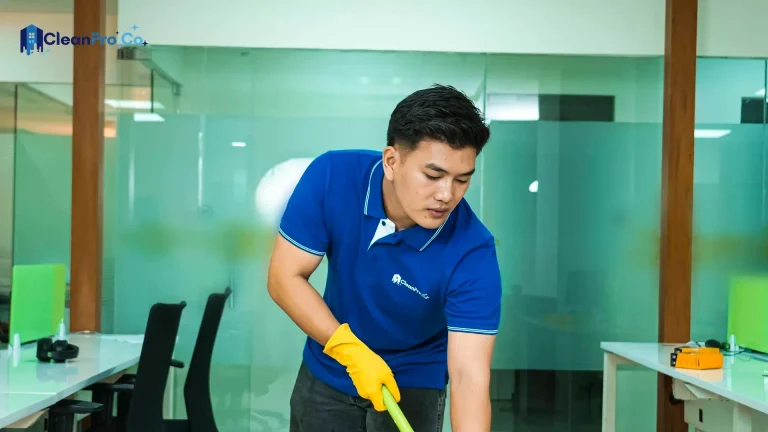
A clean office is more than a professional-looking workspace. It helps protect employees, supports daily productivity, reduces the spread of germs, and creates a healthier environment for everyone who enters the building. However, even workplaces with regular cleaning schedules can develop hygiene problems when important areas are overlooked or incorrect cleaning methods are used.
Many common office cleaning mistakes happen because cleaning focuses too much on visible dirt instead of the surfaces and shared spaces that people use throughout the day. From neglecting frequently touched objects to using the wrong cleaning products, these small oversights can affect overall workplace hygiene. Understanding these problems and correcting them can help businesses maintain a cleaner, safer, and more comfortable office.
What Are the Most Common Office Cleaning Mistakes?
Common office cleaning mistakes include neglecting high-touch surfaces, using the wrong cleaning products, ignoring restrooms and shared kitchens, reusing dirty cleaning cloths, overlooking carpets, and following inconsistent cleaning schedules. These mistakes can allow dirt, bacteria, and other contaminants to accumulate, making proper workplace hygiene and regular commercial office cleaning essential.
Why Proper Office Cleaning Matters for Workplace Hygiene
Office cleaning plays an important role in maintaining a healthy and productive working environment. Employees regularly share desks, meeting rooms, keyboards, door handles, kitchen facilities, restrooms, and other common areas. Without proper cleaning, these frequently used spaces can accumulate dust, dirt, food residue, and microorganisms.
A poorly maintained office can also affect how employees and visitors perceive a business. Dirty floors, unpleasant restroom conditions, dusty furniture, and overflowing rubbish bins can create an unprofessional impression. Even when employees perform their responsibilities well, an unhygienic workplace can make the entire business appear poorly managed.
Workplace hygiene also involves more than removing visible dirt. Effective office cleaning requires attention to surfaces, equipment, ventilation, shared facilities, and areas that are frequently overlooked. A consistent cleaning approach helps reduce unnecessary contamination while making the office more comfortable for employees.
9 Common Office Cleaning Mistakes That Can Affect Workplace Hygiene
1. Neglecting High-Touch Surfaces
One of the most common office cleaning mistakes is overlooking high-touch surfaces. These are objects and areas that employees and visitors frequently handle throughout the day. Door handles, light switches, elevator buttons, desk surfaces, shared telephones, keyboards, computer mice, and meeting room equipment can all become contaminated through repeated contact.
Cleaning only the floors and visibly dirty surfaces does not address these frequently handled objects. Even when an office looks clean, germs and everyday contaminants may remain on shared surfaces.
An effective workplace cleaning routine should identify high-touch areas and give them appropriate attention. Cleaning frequency should reflect how many people use each area and how often surfaces are handled. Shared meeting rooms and reception counters may require more frequent attention than private offices with limited access.
2. Using the Wrong Cleaning Products
Using unsuitable cleaning products is another mistake that can affect office hygiene. Different surfaces require different cleaning methods. A product designed for floors may not be appropriate for computer screens, wooden furniture, stainless steel fixtures, or delicate office equipment.
Using the wrong chemical can damage surfaces, leave residue, create unpleasant odours, or expose employees and cleaning staff to unnecessary risks. Some cleaning products also require specific dilution instructions and ventilation conditions.
Businesses should choose cleaning solutions according to the surface material and the purpose of the product. Product labels and safety instructions should always be followed. Cleaning staff should also understand the difference between general-purpose cleaners, sanitising products, and disinfectants.
Proper product selection helps achieve better cleaning results while protecting office furniture, equipment, employees, and visitors.
3. Forgetting to Clean Shared Office Kitchens
Office kitchens are among the most frequently used shared spaces, yet they are often cleaned less thoroughly than expected. Employees prepare meals, store food, wash dishes, make coffee, and handle kitchen equipment throughout the day.
Food crumbs, spills, grease, and moisture can accumulate on countertops, tables, sinks, microwave handles, refrigerator doors, and cabinet surfaces. If these areas are ignored, they can attract pests and create unpleasant odours.
Cleaning only the visible countertops is not enough to maintain a hygienic kitchen. Shared appliances, cupboard handles, taps, sinks, and frequently used equipment also need attention.
A proper office kitchen cleaning routine should include removing food residue, wiping appropriate surfaces, cleaning sinks, emptying rubbish bins, and addressing spills promptly. Employees should also be encouraged to keep their own food storage areas tidy and avoid leaving dirty dishes unattended.
Maintaining a clean kitchen helps create a more pleasant shared environment and reduces avoidable hygiene problems.
4. Overlooking Restroom Cleaning and Sanitation
Restrooms require consistent attention because multiple employees and visitors may use the same facilities throughout the working day. Neglecting restroom cleaning can result in unpleasant smells, visible stains, dirty fixtures, and poor hygiene conditions.
Toilets, urinals, washbasins, taps, flush handles, door handles, and other frequently touched surfaces require appropriate cleaning. Mirrors, floors, partitions, and other fixtures should also be maintained.
One common mistake is cleaning the visible parts of a restroom while overlooking less obvious areas such as the edges of fixtures, corners, and frequently handled door hardware.
Restroom maintenance should also include checking soap dispensers, handwashing facilities, toilet paper, and rubbish bins. Employees should have access to the basic supplies needed to maintain personal hygiene.
A clean restroom supports employee comfort and reflects the overall cleanliness standards of the workplace.
5. Reusing Dirty Cleaning Cloths and Equipment
Cleaning equipment can spread contamination when it is not properly maintained. Reusing dirty cloths, mop heads, sponges, or other supplies across different office areas can transfer dirt and microorganisms instead of removing them.
For example, using the same cloth to clean a restroom surface and then wiping a shared kitchen countertop creates an unnecessary cross-contamination risk.
Cleaning equipment should be properly washed, disinfected when appropriate, dried, and stored after use. Separate cloths and equipment should be assigned to different cleaning areas, particularly restrooms, kitchens, and general office spaces.
Mop heads and reusable materials should also be replaced when they become worn or difficult to clean effectively.
Proper equipment management is an essential part of professional office cleaning because even the best cleaning products cannot compensate for contaminated tools.
6. Following an Inconsistent Cleaning Schedule
An office may receive a thorough cleaning one day and remain neglected for several days afterward. This inconsistent approach can allow rubbish, dust, spills, and other contaminants to accumulate.
Some businesses only arrange cleaning when the office begins to look visibly dirty. However, workplace hygiene should be maintained through regular cleaning rather than occasional deep cleaning alone.
Different office areas have different cleaning requirements. High-traffic reception areas, shared kitchens, restrooms, and meeting rooms may need more frequent attention than storage rooms or less frequently used spaces.
A practical cleaning schedule should account for employee numbers, office occupancy, building layout, daily activities, and the condition of different surfaces.
Routine cleaning should be supported by periodic deeper cleaning of carpets, upholstery, windows, vents, and other areas that require additional attention.
7. Ignoring Carpets, Upholstery, and Hard-to-Reach Areas
Office carpets and upholstered furniture can collect dust, dirt, food particles, and other debris through everyday use. These materials are particularly easy to overlook because contamination may not always be visible.
Regular vacuuming helps remove loose dirt and debris, but it may not address deeper buildup. Office chairs, fabric partitions, upholstered waiting areas, and carpeted meeting rooms may require appropriate periodic deep cleaning.
Dust can also accumulate on shelves, behind furniture, along skirting boards, around window frames, and in other hard-to-reach areas. Ignoring these spaces can gradually reduce the overall cleanliness of the office.
A complete office cleaning routine should include both visible and less noticeable areas. Cleaning methods should be suitable for each material to prevent damage and achieve effective results.
8. Cleaning Without Following Proper Procedures
Another major office cleaning mistake is rushing through tasks without following an organised cleaning process. Cleaning a surface without removing loose dirt first, using excessive cleaning solution, or wiping surfaces with unsuitable materials can produce poor results.
For example, applying disinfectant directly to a visibly dirty surface may reduce its effectiveness. Dirt and organic material can interfere with the ability of some disinfectants to work properly.
The correct approach is generally to clean the surface first and then apply an appropriate disinfectant when disinfection is required. The product instructions must be followed, including the required contact time. A disinfected surface may need to remain visibly wet for a specified period to achieve the intended result.
Cleaning staff should also follow appropriate procedures for handling chemicals, using protective equipment, and maintaining adequate ventilation.
A consistent cleaning process improves results and helps prevent unnecessary safety risks.
9. Neglecting Rubbish Disposal and Waste Management
Poor waste management can quickly affect workplace hygiene. Overflowing bins, food waste, discarded packaging, and rubbish left in shared areas can create unpleasant odours and attract pests.
Office waste should be removed regularly, particularly from kitchens, restrooms, and high-traffic areas. Rubbish bins should also be cleaned when necessary, especially when spills or food residue are present.
Businesses should provide suitable waste disposal facilities and encourage employees to dispose of rubbish correctly. Food waste should not be left in desk drawers, meeting rooms, or shared kitchen areas overnight.
Proper rubbish disposal helps maintain a cleaner office while reducing the likelihood of pest activity and unpleasant working conditions.
How to Maintain Proper Office Cleaning Standards
Maintaining workplace hygiene requires a structured approach that considers the needs of the entire building. An effective cleaning programme begins with an assessment of the office layout, occupancy levels, shared facilities, surface materials, and areas that experience frequent use.
High-touch surfaces should receive regular attention, while other surfaces should be cleaned according to their condition and the way they are used. Kitchens and restrooms need particular care because they involve food preparation, personal hygiene, and frequent contact with shared fixtures.
Cleaning staff should have suitable equipment, appropriate products, and clear instructions. Training is equally important because correct cleaning methods help prevent cross-contamination and reduce exposure to cleaning chemicals.
Businesses should also monitor cleaning results rather than assuming that scheduled tasks are always completed properly. Regular inspections can identify neglected areas, recurring problems, and opportunities to improve the cleaning routine.
A well-maintained office cleaning programme combines daily upkeep with periodic deep cleaning. This approach helps prevent small hygiene issues from becoming larger maintenance problems.
The Difference Between Cleaning, Sanitising, and Disinfecting
Understanding the difference between cleaning, sanitising, and disinfecting is essential for maintaining proper workplace hygiene.
Cleaning involves removing dirt, dust, grease, food residue, and other impurities from surfaces. It generally uses water and suitable cleaning products to physically remove contaminants. Cleaning can also remove many germs from surfaces.
Sanitising reduces the number of germs on a surface to a level considered acceptable under applicable public health standards. It is particularly relevant in certain shared environments where hygiene requirements are important.
Disinfecting uses specific chemical products to kill harmful microorganisms remaining on surfaces after cleaning. It is useful when additional germ control is needed, such as after contamination involving illness.
These processes are not interchangeable. Disinfecting does not replace the need to clean first. Choosing the correct method depends on the surface, the contamination involved, and the intended hygiene outcome.
Common Office Cleaning Myths and the Real Facts
A Good-Smelling Office Is Always a Clean Office
A pleasant smell does not necessarily mean that an office is hygienic. Air fresheners can mask unpleasant odours without removing the dirt, food residue, or contamination causing the problem. Proper cleaning should address the source of odours rather than simply covering them.
Visible Dirt Is the Only Sign That an Office Needs Cleaning
Many surfaces can carry contaminants without showing obvious signs of dirt. Shared telephones, keyboards, door handles, and light switches may look clean while still requiring regular attention. Cleaning frequency should be based on use and risk, not appearance alone.
Disinfecting Everything Every Day Is Always Better
More disinfectant does not automatically mean better workplace hygiene. Routine cleaning is sufficient for many office surfaces, while disinfection should be used when appropriate. Unnecessary chemical use can create additional exposure risks and may damage certain materials.
Employees Can Maintain the Entire Office Without Professional Cleaning
Employees play an important role in keeping their individual workspaces tidy. However, maintaining an entire commercial office involves more than basic tidying. Shared facilities, flooring, carpets, restrooms, equipment, and hard-to-reach areas require appropriate cleaning methods, equipment, and consistent attention.
Why Professional Office Cleaning Makes a Difference
Professional office cleaning helps businesses maintain consistent hygiene standards without relying entirely on employees to manage shared cleaning responsibilities.
A professional cleaning service can assess the workplace, identify areas that require additional attention, and establish a cleaning routine suited to the building. This can include general office cleaning, restroom sanitation, kitchen cleaning, floor maintenance, carpet care, and periodic deep cleaning.
Professional cleaners also understand the importance of using suitable equipment and cleaning products for different surfaces. Proper procedures help reduce cross-contamination while protecting furniture, flooring, and office equipment.
Another advantage is consistency. Scheduled cleaning helps prevent neglected areas from becoming recurring problems. It also allows businesses to focus on their daily operations while maintaining a cleaner and more welcoming environment.
For workplaces with high employee numbers or frequent visitors, a tailored commercial office cleaning programme can make a meaningful difference to overall cleanliness and presentation.
How Often Should an Office Be Cleaned?
The appropriate office cleaning frequency depends on the size of the workplace, the number of employees, visitor traffic, and the activities taking place inside the building.
High-traffic areas and frequently touched surfaces generally require more regular cleaning. Shared kitchens and restrooms also need consistent maintenance because they are used by multiple people throughout the day.
General office surfaces, desks, floors, and common areas should be cleaned according to their condition and daily usage. Carpets, upholstery, windows, and other areas may require periodic specialist cleaning rather than daily treatment.
There is no single cleaning schedule that suits every office. A small office with a few employees may have different requirements from a large commercial building with multiple departments and shared facilities.
The most effective approach is to develop a cleaning schedule based on actual workplace needs and review it whenever occupancy or building usage changes.
How Workplace Hygiene Affects Employee Productivity
A clean workplace can support employee productivity by creating an environment where people feel comfortable, organised, and able to concentrate on their responsibilities.
Dusty desks, overflowing bins, dirty kitchens, and unpleasant restrooms can create distractions and reduce employee satisfaction. When common areas are poorly maintained, employees may also become frustrated with having to deal with avoidable cleanliness problems.
Good workplace hygiene contributes to a more positive working environment. Employees are more likely to appreciate shared spaces when they are consistently maintained and properly equipped.
A clean office can also create a stronger impression on clients, business partners, and visitors. Reception areas, meeting rooms, and shared facilities communicate something about the organisation’s attention to detail.
Although cleaning alone cannot guarantee better productivity or prevent illness, it is an important part of maintaining a comfortable and well-managed workplace.
Summary: Building a Cleaner and Healthier Workplace
Common office cleaning mistakes often happen when businesses focus only on visible dirt and overlook frequently touched surfaces, shared kitchens, restrooms, carpets, and cleaning equipment. Inconsistent schedules, unsuitable products, and poor waste management can also affect workplace hygiene.
Preventing these problems requires a structured cleaning programme, suitable products, properly maintained equipment, and regular attention to high-use areas. Businesses should understand when general cleaning is sufficient and when sanitising or disinfecting is appropriate.
Consistent office cleaning supports a more comfortable workplace, improves the appearance of shared spaces, and helps reduce avoidable hygiene risks.
Key Takeaways for Better Office Hygiene
Workplace cleanliness depends on more than occasional sweeping, mopping, and wiping visible surfaces. High-touch areas, shared facilities, carpets, furniture, and cleaning equipment all deserve appropriate attention.
Using the correct cleaning products and following proper procedures are equally important. Cleaning before disinfecting, maintaining separate cleaning equipment for different areas, and following product instructions can improve results while protecting employees and cleaning staff.
Most importantly, businesses should treat office cleaning as an ongoing responsibility rather than an occasional task. A consistent schedule supported by professional cleaning standards can help maintain a healthier, more welcoming, and better-organised workplace.
Frequently Asked Questions About Office Cleaning Mistakes
What are the most common office cleaning mistakes?
The most common office cleaning mistakes include neglecting high-touch surfaces, using unsuitable cleaning products, overlooking restrooms and shared kitchens, reusing dirty cleaning cloths, ignoring carpets, and failing to follow a consistent cleaning schedule. These problems can affect hygiene even when an office looks clean.
Why is high-touch surface cleaning important in offices?
High-touch surfaces are handled by multiple people throughout the day. Door handles, keyboards, light switches, shared phones, and meeting room equipment can accumulate contaminants through repeated contact. Regular cleaning helps remove dirt and reduce the number of germs on these shared surfaces.
How often should an office be professionally cleaned?
Office cleaning frequency depends on employee numbers, building size, daily occupancy, and the level of activity in different areas. High-traffic spaces, kitchens, restrooms, and frequently touched surfaces may require more frequent attention, while other areas can follow a suitable scheduled cleaning routine.
What areas of an office are most commonly overlooked during cleaning?
Commonly overlooked areas include keyboard surfaces, telephone handsets, light switches, door handles, carpet edges, skirting boards, furniture behind and underneath, shared appliances, and restroom fixtures. Including these areas in a structured cleaning programme helps improve overall workplace hygiene.
Is disinfecting the office every day necessary?
Not necessarily. In most ordinary office environments, regular cleaning is sufficient for many surfaces. Disinfection may be appropriate when someone has been ill, when contamination occurs, or when specific workplace conditions require additional measures. Product instructions and relevant health guidance should always be followed.
What is the difference between commercial office cleaning and regular tidying?
Regular tidying generally involves organising workspaces, putting away items, and removing visible rubbish. Commercial office cleaning involves more systematic maintenance of floors, surfaces, restrooms, kitchens, shared facilities, and other workplace areas using suitable equipment and cleaning methods.
Can poor office cleaning affect employee health and productivity?
Poor cleaning can contribute to unhygienic conditions, unpleasant odours, dust accumulation, and increased exposure to contaminants. These conditions may affect employee comfort and satisfaction. Consistent workplace cleaning helps create a more pleasant environment and supports better everyday hygiene.
Conclusion: Avoid Common Office Cleaning Mistakes and Protect Your Workplace
A clean office is an important part of running a professional and well-organised business. However, overlooking high-touch surfaces, neglecting shared facilities, using unsuitable cleaning products, and following inconsistent cleaning routines can undermine workplace hygiene.
The best way to avoid these problems is to establish a reliable cleaning programme that addresses the entire workplace, from individual workstations to kitchens, restrooms, meeting rooms, and common areas.
Whether you manage a small office or a larger commercial facility, investing in consistent cleaning helps create a more comfortable environment for employees and a better impression for visitors.
If your workplace needs reliable cleaning support, CleanPro can help you maintain cleaner, fresher, and more welcoming commercial spaces. Get in touch to discuss your office cleaning requirements and find a cleaning routine that suits your business.