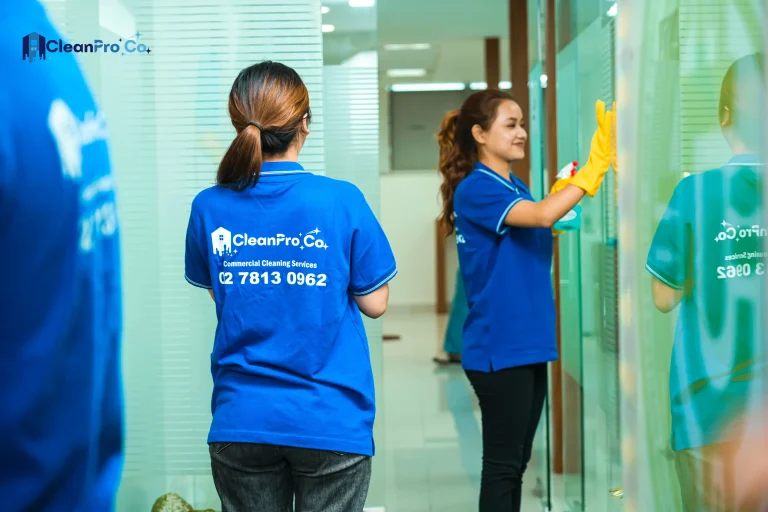
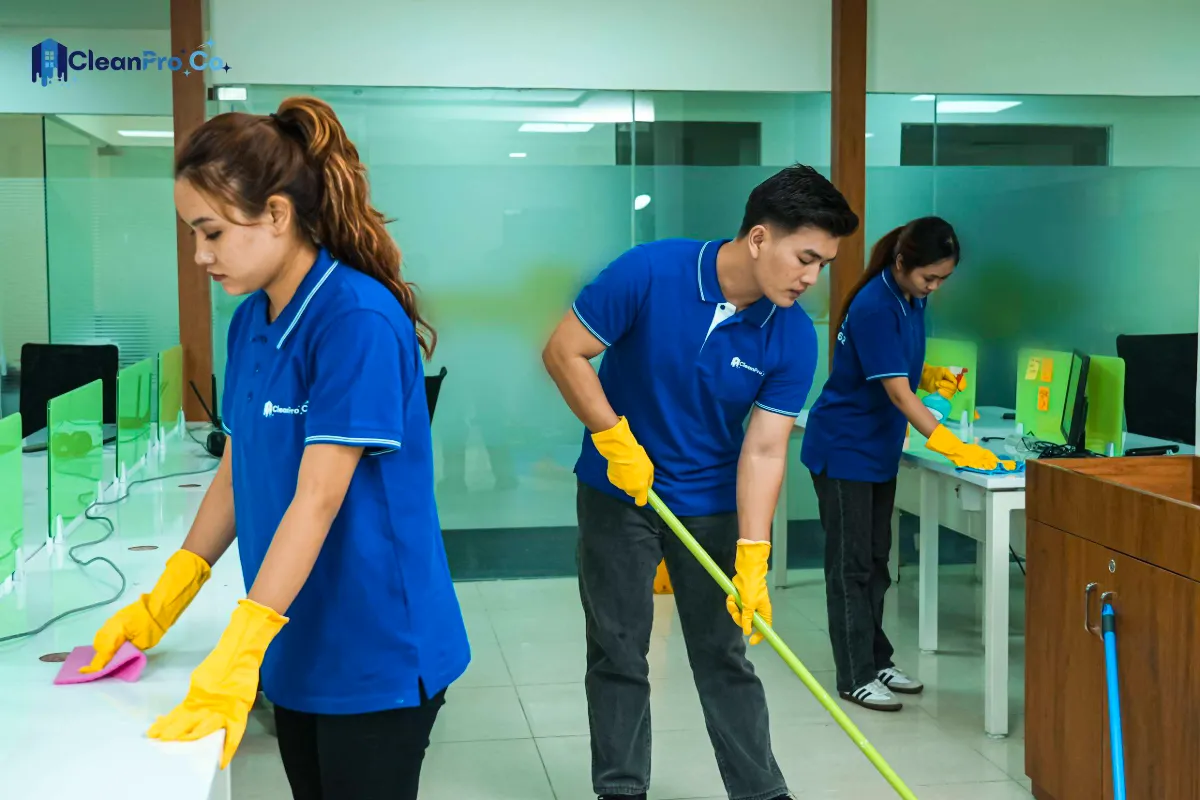
A clean office is more than a pleasant place to work. It supports employee health, creates a positive impression on clients, protects workplace surfaces, and helps businesses maintain a productive working environment. However, one common question many business owners and facility managers face is how often an office should be professionally cleaned.
How Often Should an Office Be Professionally Cleaned?
Most busy offices benefit from professional cleaning at least two to three times per week, while high-traffic workplaces may require daily cleaning. Smaller offices with fewer employees and limited visitors may only need weekly or fortnightly professional cleaning. The ideal schedule depends on workplace activity, hygiene requirements, shared facilities, and how quickly dirt accumulates.
Why Is Regular Professional Office Cleaning Important?
An office experiences constant daily activity. Employees move between workstations, visitors enter reception areas, kitchen facilities are shared, and frequently touched surfaces collect dirt and bacteria throughout the day.
Even when an office looks reasonably clean, dust, fingerprints, food residue, and other contaminants can accumulate in areas that are not immediately noticeable. Without a consistent cleaning routine, these problems can affect workplace hygiene and the overall appearance of the business.
Professional office cleaning helps maintain a healthier and more comfortable environment by addressing these issues systematically. Trained cleaners use appropriate cleaning products, equipment, and methods to maintain different workplace surfaces and facilities.
Regular cleaning also protects a company’s professional image. Clients, suppliers, and business partners often form their first impressions when entering reception areas, meeting rooms, and shared spaces. Clean floors, fresh-smelling facilities, organised work areas, and hygienic bathrooms communicate professionalism and attention to detail.
Another important benefit is the long-term maintenance of office assets. Dust and dirt can gradually damage carpets, flooring, furniture, and other surfaces. Consistent cleaning helps preserve these materials and may reduce the need for expensive repairs or premature replacements.
Daily, Weekly, or Fortnightly Office Cleaning: Understanding the Differences
The right cleaning frequency depends on how an office is used. Daily, weekly, and fortnightly cleaning schedules each offer different benefits, and understanding these differences makes it easier to select an appropriate service.
Daily Professional Office Cleaning
Daily office cleaning is generally recommended for busy workplaces with a high number of employees, frequent visitors, and heavily used shared facilities.
In these environments, dirt and waste can accumulate quickly. Kitchen benches may collect food residue, bathrooms require frequent sanitising, and rubbish bins can fill throughout the working day.
Daily professional cleaning helps prevent these issues from becoming ongoing hygiene problems. It also ensures that important areas remain presentable and ready for employees and visitors.
A typical daily office cleaning service may include cleaning and disinfecting frequently touched surfaces, sanitising bathrooms, cleaning kitchen facilities, emptying rubbish bins, vacuuming high-traffic areas, and mopping hard floors.
Reception areas and meeting rooms may also require additional attention because they are frequently used by visitors and employees.
Daily cleaning is particularly suitable for corporate offices, medical administration facilities, customer service centres, large workplaces, and businesses operating extended hours.
For example, an office with 40 employees sharing two bathrooms and one kitchen will generally experience more daily wear and hygiene demands than a small office occupied by four people.
The main advantage of daily professional cleaning is consistency. Rather than allowing dirt and waste to accumulate over several days, cleaners maintain the workplace through regular attention.
However, daily cleaning may not be necessary for every business. Smaller offices with low occupancy may achieve excellent results with fewer professional cleaning visits combined with routine employee housekeeping.
Weekly Professional Office Cleaning
Weekly professional cleaning is a practical option for small to medium-sized offices with moderate foot traffic and relatively low daily cleaning demands.
Businesses that operate during standard working hours, have a limited number of employees, and maintain basic daily housekeeping routines may find weekly cleaning sufficient.
During a weekly service, professional cleaners can perform more detailed tasks that may not be necessary every day. These can include vacuuming carpets, mopping floors, cleaning desks and furniture, wiping internal glass, sanitising shared facilities, cleaning kitchen surfaces, and removing accumulated dust.
Weekly cleaning is particularly useful for maintaining areas that do not become heavily soiled overnight but still require regular attention.
For example, a small professional office with eight employees may only need rubbish removed and kitchen surfaces wiped during the working week. A scheduled weekly professional service can then provide more comprehensive cleaning across the premises.
One advantage of weekly cleaning is that it balances workplace cleanliness with operating costs. Businesses receive consistent professional attention without paying for daily services that may not be necessary.
However, weekly cleaning should not mean ignoring hygiene throughout the week. Bathrooms, kitchen benches, frequently touched surfaces, and rubbish bins may still need attention between professional visits.
A weekly professional cleaning schedule works best when employees follow simple housekeeping practices and the office does not experience unusually high visitor numbers.
Fortnightly Professional Office Cleaning
Fortnightly office cleaning means scheduling a professional cleaning service once every two weeks.
This arrangement may suit very small offices, home-based business premises, or workplaces with minimal employee activity and limited visitor traffic.
For example, a private office used by two or three people may remain relatively clean when employees regularly remove rubbish, wipe down shared surfaces, and maintain their individual work areas.
A fortnightly professional cleaning visit can then address accumulated dust, floor maintenance, bathroom cleaning, kitchen hygiene, and other general cleaning requirements.
The main benefit is affordability. Businesses with limited cleaning needs can reduce professional cleaning costs while still receiving periodic assistance.
However, fortnightly cleaning is not suitable for every workplace. Bathrooms, kitchens, high-touch surfaces, and rubbish areas may require attention much sooner than every two weeks.
If employees regularly prepare meals, receive clients, or share equipment, waiting fourteen days between professional cleaning visits can allow dirt and unpleasant odours to develop.
Fortnightly cleaning should therefore be considered only when the workplace has low occupancy, minimal daily activity, and a reliable routine for maintaining basic hygiene between visits.
What Factors Determine the Right Office Cleaning Frequency?
There is no universal cleaning schedule that works for every business. Two offices with similar floor areas may have completely different cleaning requirements depending on how many people use them and what activities take place inside.
Understanding the following factors helps businesses select an appropriate office cleaning frequency.
Number of Employees and Daily Occupancy
The number of employees directly influences how quickly an office becomes dirty.
A workplace with 30 employees will generally generate more rubbish, use more bathroom facilities, and create more floor traffic than an office with five employees.
Higher occupancy also means more frequent contact with shared surfaces, including door handles, switches, desks, kitchen appliances, and meeting room furniture.
Businesses with larger teams should generally consider daily or several-times-per-week cleaning, especially when employees work on-site throughout the week.
Smaller offices may be able to maintain suitable conditions with weekly or fortnightly professional cleaning, provided that daily housekeeping is consistent.
Daily Foot Traffic and Visitor Numbers
Employee numbers are only part of the equation. The number of people entering and leaving the premises also affects cleaning requirements.
An office that regularly receives customers, contractors, suppliers, and business partners will experience greater wear in reception areas, corridors, entrance floors, and bathrooms.
Rainy weather can introduce additional dirt and moisture through footwear, while busy reception areas may require frequent floor maintenance.
Workplaces with high visitor numbers should prioritise daily cleaning of entrance areas, waiting rooms, and shared facilities.
Type of Business and Workplace Activities
Different businesses have different cleaning requirements.
A standard administrative office may primarily need dusting, vacuuming, rubbish removal, and bathroom cleaning.
A medical office may require more frequent cleaning and disinfection because of the nature of its activities, patient contact, and hygiene requirements.
A training centre or shared workspace may experience greater use of meeting rooms, chairs, desks, kitchen facilities, and bathrooms throughout the day.
Similarly, offices connected to warehouses, workshops, or industrial facilities may experience additional dust and dirt entering the workplace.
The cleaning schedule should reflect the actual activities taking place rather than relying only on office size.
Bathrooms and Shared Kitchen Facilities
Bathrooms and kitchens are among the most frequently used areas in an office.
Toilet seats, taps, door handles, soap dispensers, kitchen benches, microwave handles, and refrigerator doors can all become contaminated through regular contact.
These facilities should receive frequent cleaning regardless of whether the office has a daily, weekly, or fortnightly professional cleaning contract.
In busy workplaces, bathrooms may need professional attention every day. Kitchen surfaces should also be cleaned regularly to prevent food residue, unpleasant odours, and pest-related problems.
Office Size and Layout
A larger office generally requires more time and resources to clean.
Open-plan offices, multiple meeting rooms, long corridors, reception areas, and several bathrooms all contribute to the total cleaning workload.
The type of flooring also matters. Carpeted areas may require regular vacuuming, while tiled and other hard floors may need frequent sweeping and mopping.
An office with a complicated layout or multiple shared spaces may require more frequent cleaning than a smaller, straightforward workplace.
Employee Hygiene and Workplace Expectations
Workplace habits also influence how frequently professional cleaning is needed.
Employees who regularly clean their desks, dispose of rubbish correctly, and wipe shared kitchen surfaces help maintain general cleanliness between scheduled visits.
However, professional cleaning should not depend entirely on employees. A structured cleaning routine ensures that important areas receive proper attention even when staff members are busy with their responsibilities.
Businesses that prioritise a consistently clean working environment may also choose more frequent services to maintain their expected standards.
What Areas of an Office Should Be Cleaned Regularly?
An effective office cleaning schedule should cover the entire workplace rather than focusing only on visible dirt.
Different areas require different cleaning methods and frequencies because they experience different levels of use.
Reception Areas and Waiting Rooms
Reception areas create the first impression of a business. Dusty furniture, dirty floors, fingerprints on glass, and overflowing rubbish bins can make an office appear poorly maintained.
These spaces should receive regular attention, including floor cleaning, furniture dusting, glass cleaning, and rubbish removal.
Businesses that receive visitors every day should consider daily cleaning of their reception areas.
Desks and Workstations
Desks, chairs, keyboards, monitors, and shared office equipment can collect dust and fingerprints.
Professional cleaners should follow workplace policies when cleaning around computers and personal belongings. Electronic equipment should be cleaned using suitable methods that avoid excessive moisture or damage.
Shared workstations and hot desks may require more frequent cleaning because multiple employees use the same equipment throughout the day.
Employees should also be encouraged to keep personal workspaces organised so that cleaners can access the surfaces safely.
Bathrooms and Toilets
Office bathrooms require consistent cleaning because they are essential shared facilities.
Professional bathroom cleaning typically includes sanitising toilets, cleaning sinks, wiping taps, disinfecting frequently touched surfaces, cleaning mirrors, mopping floors, and replenishing consumables where included in the service agreement.
High-occupancy workplaces should generally schedule daily bathroom cleaning, with additional checks when facilities experience particularly heavy use.
Kitchens and Break Rooms
Shared kitchens can quickly develop hygiene problems when food spills, dirty dishes, and waste are left unattended.
Cleaning should cover benches, sinks, taps, appliance exteriors, tables, chairs, and floors.
Microwave interiors, refrigerators, and other shared appliances should also receive periodic attention according to workplace requirements.
A clean kitchen encourages employees to use shared facilities responsibly and helps reduce unpleasant smells and potential pest problems.
Floors, Carpets, and Internal Glass
Floors collect dust, dirt, food particles, and moisture throughout the day.
High-traffic entrances and corridors may need daily sweeping or mopping, while carpets generally require regular vacuuming.
Periodic carpet extraction or deep cleaning may be appropriate depending on carpet condition, workplace activity, and manufacturer recommendations.
Internal glass, partitions, and windows should also be cleaned regularly to remove fingerprints, dust, and visible marks.
A complete office cleaning plan considers both everyday maintenance and deeper periodic cleaning tasks.
How to Create an Effective Office Cleaning Schedule
An effective office cleaning schedule starts with understanding the workplace rather than selecting a frequency based purely on price.
The first step is to assess the office’s daily activity. Businesses should consider employee numbers, visitor traffic, shared facilities, floor types, and areas that frequently become dirty.
Next, separate routine cleaning requirements from periodic deep cleaning tasks.
Routine cleaning includes activities such as vacuuming, mopping, sanitising bathrooms, wiping shared surfaces, and removing rubbish. These tasks maintain everyday hygiene.
Periodic cleaning may involve carpet extraction, upholstery cleaning, detailed internal glass cleaning, high-level dusting, and other tasks that require additional time or specialised equipment.
The schedule should then assign suitable frequencies to different areas.
For example, a busy office may require daily bathroom and kitchen cleaning, several-times-per-week workstation and floor maintenance, and monthly or quarterly deep cleaning depending on the condition of the premises.
A smaller workplace may need weekly general cleaning with additional daily attention from employees.
Finally, businesses should review the schedule regularly. If bathrooms consistently become dirty before the next cleaning visit or floors appear untidy within a day, the frequency may need to increase.
A good cleaning schedule is flexible enough to respond to changes in occupancy, seasonal activity, office renovations, and business growth.
What Makes Professional Office Cleaning Effective?
Professional office cleaning is most effective when it combines a suitable cleaning frequency with consistent methods, appropriate equipment, and clear service expectations.
Simply visiting an office frequently does not guarantee good results. The quality of the cleaning process matters just as much as the number of visits.
Professional cleaners should understand the difference between cleaning, sanitising, and disinfecting.
Cleaning removes visible dirt and organic material from surfaces. Sanitising reduces microorganisms to levels considered acceptable under relevant public health standards. Disinfecting uses appropriate products to inactivate specified microorganisms on suitable surfaces.
These processes serve different purposes and should be used according to the surface, workplace requirements, and product instructions.
Another important factor is the use of appropriate cleaning products. Different materials require different treatments, and using the wrong chemicals can damage flooring, furniture, glass, and other surfaces.
Cross-contamination prevention is equally important. Cleaning cloths, mops, and equipment should be managed appropriately so that contaminants are not transferred between bathrooms, kitchens, and workstations.
A professional cleaning service should also have a clear scope of work. Businesses should understand which areas are included, which tasks are performed during each visit, and whether consumables or specialist cleaning services are included in the agreement.
Consistency, attention to detail, and reliable communication help ensure that the workplace receives the standard of cleaning it needs.
Common Office Cleaning Mistakes Businesses Should Avoid
One common mistake is choosing a cleaning schedule based only on the cheapest available price. While reducing operational expenses is important, an unsuitable schedule can allow hygiene problems to develop and may eventually require more expensive cleaning.
Another mistake is assuming that a workplace looks clean simply because there is no visible dirt. Dust, bacteria, and residue can accumulate on frequently touched surfaces even when the office appears tidy.
Some businesses also overlook bathrooms and kitchen facilities when deciding how often to schedule professional cleaning. These areas often need more frequent attention than general office spaces because of their shared use.
Another issue is relying entirely on employees to maintain workplace hygiene. Staff members should follow reasonable housekeeping practices, but their main responsibility is to perform their actual jobs. Professional cleaning provides structured attention to areas that ordinary daily tidying may not adequately address.
Finally, businesses sometimes fail to review their cleaning arrangements after changes in occupancy or office usage. A schedule that worked for ten employees may no longer be sufficient when the team grows to 30.
Common Myths About Professional Office Cleaning
Myth: A Small Office Only Needs Fortnightly Cleaning
A small office does not automatically have low cleaning requirements. A workplace with five employees who receive customers throughout the day may need more frequent cleaning than a larger office used only occasionally.
The correct frequency depends on actual activity, shared facilities, and hygiene requirements rather than office size alone.
Myth: Daily Cleaning Is Always Better
Daily professional cleaning can be beneficial for busy workplaces, but it is not necessary for every business.
A small office with limited occupancy may maintain excellent cleanliness through weekly professional cleaning and consistent daily housekeeping.
The objective should be an appropriate cleaning standard, not simply the highest possible number of cleaning visits.
Myth: Professional Cleaning Only Matters When an Office Looks Dirty
Professional cleaning is a preventative service, not just a response to visible dirt.
Regular cleaning addresses dust, residue, frequently touched surfaces, and areas that may otherwise become unhygienic over time.
Waiting until an office looks dirty can allow problems to become more difficult and time-consuming to resolve.
Myth: Employees Can Replace Professional Office Cleaning
Employees can help maintain a tidy workplace by cleaning up after themselves, disposing of rubbish, and keeping shared facilities organised.
However, routine housekeeping is not the same as professional cleaning.
Professional cleaners provide systematic cleaning methods, appropriate equipment, and dedicated attention to areas that may require more thorough maintenance.
How Much Does Office Cleaning Frequency Affect the Budget?
Cleaning frequency directly influences the overall cost of maintaining an office.
Daily professional cleaning generally involves higher recurring expenses because cleaners visit more frequently and spend additional time maintaining the premises.
Weekly cleaning can offer a more economical arrangement for businesses with moderate activity, while fortnightly services may reduce costs for very small workplaces.
However, the cheapest schedule is not necessarily the most cost-effective option.
Businesses should consider the total value of the service, including cleaning quality, workplace hygiene, employee comfort, property maintenance, and the time employees would otherwise spend handling cleaning tasks.
A practical approach is to request an assessment of the premises and a cleaning proposal based on actual requirements.
The proposal should clearly explain the cleaning frequency, included tasks, estimated service duration, and any additional charges for specialised work.
This makes it easier to compare services fairly and avoid paying for unnecessary tasks or choosing a schedule that does not provide sufficient coverage.
Summary: Choosing the Right Office Cleaning Frequency
The ideal office cleaning frequency depends on employee numbers, daily foot traffic, business activities, shared facilities, and general hygiene expectations.
Daily professional cleaning is generally the most suitable option for busy workplaces, offices with high visitor traffic, and premises with heavily used bathrooms and kitchens.
Weekly cleaning offers a practical balance for small and medium-sized offices with moderate activity and consistent daily housekeeping.
Fortnightly cleaning may be appropriate for very small workplaces with limited occupancy and minimal cleaning demands, provided that essential hygiene tasks are handled between professional visits.
Businesses should also remember that different areas may need different cleaning frequencies. Bathrooms, kitchens, and entrance areas often require more attention than lightly used meeting rooms or private offices.
The most effective approach is to create a cleaning schedule that reflects actual workplace conditions and review it as the business grows or changes.
Key Takeaways
Choosing between daily, weekly, and fortnightly office cleaning should always begin with an assessment of how the workplace is used. Employee numbers, visitor traffic, shared facilities, and business activities all influence how quickly dirt and hygiene issues develop.
Daily professional cleaning is generally recommended for high-traffic environments, while weekly cleaning can suit many smaller workplaces. Fortnightly cleaning is best reserved for offices with genuinely low cleaning demands and reliable housekeeping between visits.
A successful cleaning programme should cover frequently touched surfaces, bathrooms, kitchens, floors, reception areas, and workstations. It should also include periodic deep cleaning to maintain carpets, upholstery, and other office assets.
Ultimately, the goal is not simply to schedule more cleaning visits. It is to maintain a consistently clean, comfortable, and professional workplace without unnecessary expenses.
Frequently Asked Questions About Office Cleaning Frequency
How many times a week should an office be professionally cleaned?
Most offices benefit from professional cleaning two to three times per week, although the ideal frequency depends on occupancy and workplace activity. High-traffic offices may require daily cleaning, while smaller workplaces may only need one professional visit each week.
Is weekly office cleaning enough?
Weekly office cleaning can be sufficient for small and medium-sized workplaces with moderate foot traffic. However, essential hygiene tasks such as bathroom maintenance, kitchen cleaning, rubbish removal, and wiping shared surfaces should still be performed between professional visits.
Can an office be cleaned professionally every fortnight?
Yes. Fortnightly office cleaning can work for very small offices with limited employee numbers, minimal visitor traffic, and consistent daily housekeeping. It may not be suitable for busy workplaces where bathrooms, kitchens, and frequently touched surfaces require more regular attention.
Should office bathrooms be cleaned every day?
Busy office bathrooms should generally be cleaned daily because multiple employees and visitors use these facilities. Daily cleaning helps maintain hygiene, remove waste, prevent unpleasant odours, and keep frequently touched surfaces in suitable condition.
What is included in a professional office cleaning service?
A standard professional office cleaning service commonly includes vacuuming, mopping, dusting, rubbish removal, bathroom cleaning, kitchen surface cleaning, and wiping frequently touched areas. Additional services may include carpet cleaning, upholstery cleaning, internal glass cleaning, and periodic deep cleaning, depending on the agreement.
What is the difference between regular office cleaning and deep cleaning?
Regular office cleaning focuses on maintaining everyday cleanliness through tasks such as vacuuming, dusting, mopping, sanitising bathrooms, and removing rubbish. Deep cleaning involves more detailed work, including carpet extraction, upholstery treatment, intensive floor cleaning, and hard-to-reach areas that are not necessarily addressed during routine visits.
How can I tell if my office needs more frequent cleaning?
An office may need more frequent cleaning if bathrooms become untidy before the next scheduled visit, kitchen surfaces regularly accumulate food residue, rubbish bins overflow, floors appear dirty quickly, or unpleasant odours develop. Increasing the cleaning frequency or adjusting the tasks included in each visit can help address these problems.
Conclusion: Maintain a Cleaner, Healthier, and More Professional Office
A clean office helps create a better working environment, supports employee wellbeing, and gives clients confidence in your business. However, maintaining those standards requires more than occasional tidying. It requires a professional cleaning schedule that reflects the real demands of your workplace.
Daily cleaning is ideal for busy offices with high occupancy and frequent visitors. Weekly cleaning offers a practical solution for many smaller workplaces, while fortnightly cleaning can work for offices with minimal activity and reliable housekeeping routines.
The important thing is to choose a schedule that keeps your workplace consistently clean without creating unnecessary costs.
If your office is becoming difficult to maintain, or you are unsure whether your current cleaning arrangement is sufficient, consider arranging a professional office cleaning assessment. A tailored cleaning plan can help identify the areas that need attention, establish the right service frequency, and keep your workplace looking its best throughout the year.
Investing in regular professional office cleaning is an investment in your employees, your business image, and the environment where your business operates.