
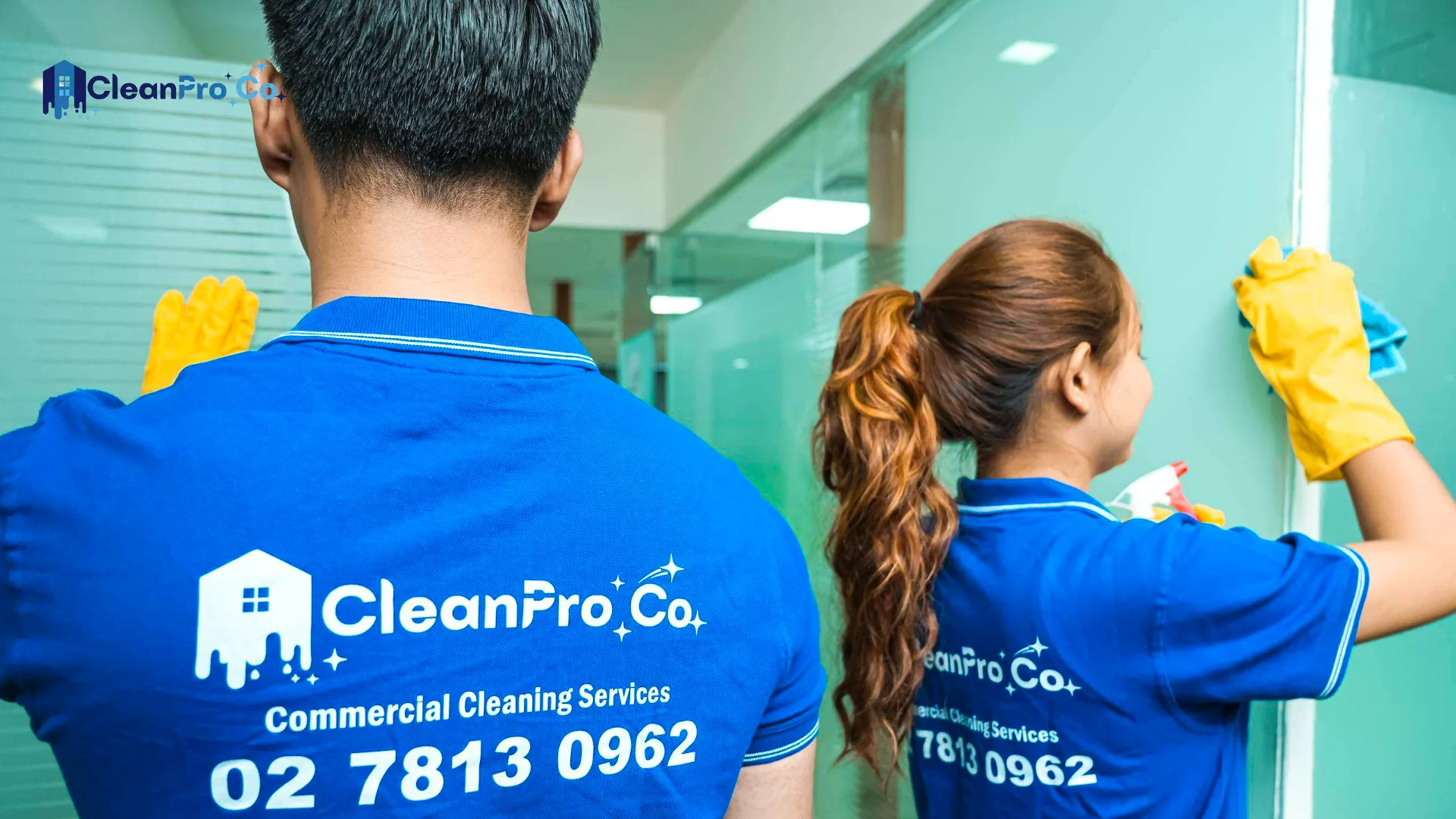
Commercial windows play an important role in how customers, employees, and visitors perceive a business. Clean, clear glass creates a professional appearance, allows natural light to enter the building, and helps maintain a welcoming working environment. However, commercial windows are constantly exposed to dust, rain, pollution, fingerprints, bird droppings, and other environmental contaminants that gradually affect their appearance.
How Often Should Commercial Windows Be Cleaned?
Most commercial windows should be professionally cleaned every one to three months. However, businesses in busy urban areas, retail locations, restaurants, and buildings exposed to heavy traffic or environmental pollution may need monthly cleaning. Offices in quieter locations may only require cleaning every two to three months, depending on their condition and maintenance requirements.
Why Regular Commercial Window Cleaning Matters
Commercial window cleaning is more than a cosmetic maintenance task. It directly affects the appearance, functionality, and overall condition of a commercial property. Windows are among the first features people notice when approaching a business, making their cleanliness an important part of maintaining a professional image.
Creating a Positive First Impression
Customers often form an opinion about a business before entering the building. Dirty windows, visible streaks, fingerprints, and accumulated grime can make a property appear neglected, even when the business maintains high standards in other areas.
Clean commercial windows help create a welcoming environment and communicate attention to detail. For retail stores, restaurants, medical practices, offices, and other customer-facing businesses, this can make a meaningful difference in how visitors perceive the premises.
Maintaining clear glass also demonstrates that the business takes pride in its facilities. A consistently clean exterior can contribute to a more professional appearance and help establish customer confidence.
Maximising Natural Light Inside the Building
Windows allow natural daylight to enter commercial spaces, creating brighter and more comfortable working environments. However, layers of dirt, dust, pollution, and water residue can reduce the amount of light passing through the glass.
Regular professional window cleaning removes these contaminants and helps maintain clear visibility. Better access to natural light can make offices feel more open and pleasant for employees and visitors.
It can also reduce the need to rely entirely on artificial lighting during daylight hours, depending on the building’s layout and lighting design.
Protecting Glass From Long-Term Damage
Environmental contaminants can gradually affect glass surfaces when they remain untreated. Mineral deposits from hard water, construction dust, airborne pollutants, and certain forms of industrial residue may become increasingly difficult to remove over time.
In some conditions, these deposits can cause permanent staining or etching. Once glass has been damaged, ordinary cleaning may not restore its original clarity.
Professional commercial window cleaning helps remove contaminants before they become more difficult to manage. Consistent maintenance can therefore help preserve the appearance and condition of commercial glazing.
Maintaining a Healthy and Comfortable Workplace
Windowsills, frames, tracks, and surrounding surfaces can collect dust, pollen, cobwebs, and other debris. Although window cleaning is not a substitute for general workplace cleaning, maintaining these areas contributes to a cleaner overall environment.
For businesses that receive regular visitors, including healthcare facilities, professional offices, and hospitality venues, clean windows help support a more comfortable and presentable space.
How Often Should Different Types of Commercial Properties Have Their Windows Cleaned?
There is no single cleaning frequency that works for every commercial property. Different buildings experience different levels of exposure to dirt, pollution, weather, and everyday activity.
The most effective approach is to create a maintenance schedule based on the building’s actual conditions rather than following a fixed timetable without considering its surroundings.
Office Buildings and Corporate Workspaces
Most standard office buildings benefit from professional window cleaning every two to three months. This frequency is generally suitable for offices located in relatively clean commercial areas without excessive exposure to traffic pollution or industrial dust.
However, office buildings with large glass facades, prominent entrances, or extensive street-facing windows may require more frequent attention.
Interior glass can also benefit from regular maintenance because fingerprints, hand marks, dust, and marks from everyday office activity gradually affect its appearance.
For corporate workplaces that receive clients and business partners regularly, maintaining clean windows helps reinforce a professional image.
Retail Stores and Shopping Premises
Retail businesses often benefit from weekly or fortnightly exterior window cleaning, depending on their location and customer traffic.
Storefront windows are highly visible and frequently influence whether potential customers feel comfortable entering a premises. Fingerprints, dust, rain marks, and road grime can quickly make display windows appear dirty.
Clean glass also allows merchandise, promotional displays, and interior lighting to remain clearly visible from outside.
For retail businesses located along busy roads or pedestrian areas, more frequent cleaning may be necessary to maintain an attractive storefront.
Restaurants, Cafes, and Hospitality Businesses
Restaurants, cafes, and hospitality venues generally require more frequent window cleaning because customers expect a clean and inviting dining environment.
Exterior windows may need weekly or fortnightly cleaning, while interior glass may require attention more often in high-traffic areas.
Fingerprints, food splashes, grease, condensation, and marks from frequent handling can quickly affect glass surfaces.
Dining areas with large windows also benefit from clear glass because customers often appreciate natural light and unobstructed outdoor views.
A consistent cleaning routine helps maintain the overall presentation of the establishment and supports a more enjoyable customer experience.
Medical Centres and Healthcare Facilities
Medical centres, clinics, dental practices, and other healthcare facilities should maintain a regular window cleaning schedule to support a clean and professional environment.
Monthly or fortnightly exterior cleaning may be appropriate depending on the building’s location and exposure. Interior glass should be inspected regularly, particularly around entrances, reception areas, consultation rooms, and other frequently used spaces.
Cleaning methods should be appropriate for the facility and should avoid introducing unnecessary disruption to patients, employees, or daily operations.
Industrial and Warehouse Facilities
Industrial properties and warehouses often experience higher levels of dust, airborne particles, machinery residue, and environmental contamination.
Depending on the surrounding activities, commercial windows may require monthly or quarterly professional cleaning. Facilities located near manufacturing operations, construction areas, or heavy vehicle routes may need more frequent maintenance.
Industrial glazing should also be inspected for stubborn deposits and signs of deterioration. Appropriate cleaning techniques are important because abrasive materials and unsuitable chemicals can damage certain glass finishes.
High-Rise Commercial Buildings
High-rise buildings with extensive glass facades require carefully planned maintenance schedules.
Exterior windows may need professional cleaning every one to three months, although some buildings can require more frequent attention because of their exposure to wind, airborne pollution, coastal conditions, and rainwater deposits.
High-rise window cleaning also involves additional safety considerations. Depending on the building design, professional cleaners may use approved rope access systems, suspended platforms, elevated work platforms, or other suitable access equipment.
The cleaning frequency should be established through regular inspections, building maintenance requirements, and an assessment of environmental exposure.
What Factors Affect Commercial Window Cleaning Frequency?
Choosing the right commercial window cleaning schedule requires an understanding of the conditions that influence how quickly glass becomes dirty.
Building Location and Surrounding Environment
Location is one of the biggest factors affecting commercial window cleanliness.
Buildings near busy roads, highways, transport terminals, and construction sites are exposed to higher levels of airborne dust, exhaust residue, and other pollutants.
Commercial properties in coastal areas may also experience salt deposits carried by sea air. These residues can accumulate on exterior glass and become difficult to remove if left untreated.
Properties surrounded by trees may collect pollen, sap, leaves, and bird droppings. Each environmental condition creates different maintenance requirements.
Weather Conditions and Seasonal Changes
Rain, wind, humidity, and temperature changes can all affect commercial windows.
Although rainwater is sometimes assumed to clean glass naturally, it often leaves behind dirt and mineral residue already present on the surface. Wind can also carry dust and debris that settle on exterior windows.
During dry periods, airborne dust may accumulate more quickly. In rainy seasons, water spots, mud splashes, and runoff marks can become more noticeable.
Businesses should review their cleaning schedules throughout the year and adjust the frequency when seasonal conditions increase contamination.
Type of Glass and Window Design
Different commercial glazing systems have different cleaning requirements.
Large glass panels, tinted windows, coated glass, decorative glazing, and specialised architectural finishes may require specific cleaning products and techniques.
Windows with deep frames, narrow ledges, complicated designs, or difficult-to-reach sections can also collect more dirt.
Professional cleaners should understand the glass type and any manufacturer recommendations before selecting cleaning solutions or equipment.
Customer Traffic and Daily Business Activity
Businesses with heavy foot traffic usually experience more fingerprints, hand marks, and surface contamination around entrances and display windows.
Retail stores, restaurants, showrooms, and reception areas may therefore need more frequent interior and exterior cleaning than offices with limited public access.
The cleaning schedule should reflect how frequently customers and employees interact with the glass.
Building Appearance and Business Standards
Some commercial properties have higher presentation requirements because their appearance is closely connected to their brand image.
Premium office buildings, hotels, showrooms, and customer-facing businesses may choose more frequent window cleaning to maintain consistently clear glass.
The appropriate schedule should balance visual standards, practical maintenance requirements, and available budgets.
What Does Professional Commercial Window Cleaning Involve?
Professional commercial window cleaning uses specialised equipment, appropriate cleaning solutions, and established techniques to remove dirt without unnecessarily damaging glass surfaces.
The exact process depends on the property’s size, glazing type, accessibility, and level of contamination.
Initial Window Inspection
A professional cleaning service should assess the windows before starting work.
This involves identifying the type of glass, checking for existing scratches or damage, examining frames and seals, and determining whether there are stubborn deposits that require additional treatment.
The inspection also helps identify access challenges and potential safety risks.
Removing Surface Dirt and Debris
Loose dirt, cobwebs, dust, and other debris should be removed before detailed glass cleaning begins.
This step is important because rubbing dry particles across glass can cause scratches, particularly when the surface contains abrasive contaminants.
Frames, ledges, and surrounding areas may also require cleaning to prevent dirt from transferring back onto the glass.
Applying Appropriate Cleaning Solutions
Professional window cleaners use suitable cleaning solutions to loosen dirt, fingerprints, grease, and other contaminants.
The choice of solution depends on the type of glass and the nature of the dirt. Products should be compatible with any protective coatings, tinted finishes, or specialised glazing treatments.
Using excessive chemicals is not necessary for achieving clear results. Correct application and suitable cleaning equipment are more important than relying on strong products.
Cleaning and Removing Water Residue
Traditional window cleaning methods often involve professional-grade applicators and squeegees to wash and remove cleaning solution from the glass.
The cleaner works systematically across the surface to minimise streaks, water marks, and remaining residue.
For certain exterior applications, purified water systems may also be used. These systems filter minerals and impurities from water, allowing glass to dry with fewer mineral deposits.
Final Inspection and Detailing
After cleaning, the windows should be checked for remaining streaks, fingerprints, missed areas, and water marks.
Frames, edges, and surrounding surfaces should also be inspected where these are included in the service.
A final inspection helps ensure that the completed work meets the property’s presentation and maintenance standards.
Why Professional Window Cleaning Is More Effective Than DIY Cleaning
Cleaning a few accessible windows may be manageable for business owners or maintenance staff. However, maintaining an entire commercial property requires more time, suitable equipment, and an understanding of different cleaning conditions.
Professional window cleaners have access to commercial-grade tools designed to clean larger glass surfaces efficiently. They also understand how to select appropriate cleaning methods for different types of glazing.
Another important advantage is safety. Commercial windows may be positioned at significant heights or located above entrances, walkways, and difficult-to-access areas. Attempting to clean these windows without appropriate equipment, training, and safety procedures can create serious risks.
Professional cleaning services also help businesses maintain a consistent standard without requiring employees to spend valuable working hours on window maintenance.
For larger properties, outsourcing this work can make it easier to plan cleaning around business operations and reduce unnecessary disruption.
Common Commercial Window Cleaning Mistakes to Avoid
Waiting Until Windows Look Extremely Dirty
One of the most common mistakes is delaying professional cleaning until dirt becomes highly visible.
By this stage, contaminants may have accumulated for several months. Mineral deposits, pollution, and other residue can become more difficult to remove, increasing the time and effort required for cleaning.
A preventive maintenance schedule is generally more effective than waiting for windows to become noticeably dirty.
Using Incorrect Cleaning Products
Not all glass surfaces respond well to the same cleaning chemicals.
Strong or unsuitable products may damage coatings, affect surrounding materials, or leave unwanted residue. Abrasive tools can also scratch glass.
Using cleaning products appropriate for the glazing type helps protect the surface while achieving better results.
Ignoring Window Frames and Tracks
Cleaning only the visible glass while neglecting frames, tracks, and ledges can leave a commercial property looking unfinished.
These areas collect dust, dirt, moisture, and debris. When neglected, accumulated contamination can transfer back onto clean glass.
Including frames and surrounding components in an appropriate maintenance routine creates a more complete result.
Attempting High-Rise Cleaning Without Proper Safety Measures
Working at height is one of the most serious risks associated with commercial window cleaning.
Using ordinary ladders, unsuitable equipment, or unapproved access methods can expose workers and the public to unnecessary danger.
High-rise and difficult-access cleaning should be carried out by appropriately trained professionals using suitable equipment and established safety procedures.
Following the Same Schedule All Year
Environmental conditions change throughout the year. A schedule that works during a relatively dry period may not be sufficient during a season with heavier rainfall, increased dust, or other environmental exposure.
Businesses should review their cleaning frequency periodically rather than assuming the same interval will always produce satisfactory results.
Common Myths About Commercial Window Cleaning
Rain Naturally Cleans Commercial Windows
Rain does not necessarily make commercial windows cleaner. Although rainfall may remove some loose dust, it can also leave water spots and mineral residue, particularly when it mixes with dirt already present on the glass.
Wind-driven rain may introduce additional debris and contaminants.
Professional cleaning remains necessary to remove accumulated residue and maintain clear glass.
Commercial Windows Only Need Cleaning When They Look Dirty
Visible dirt is not always the best indicator of when cleaning is required.
Some contaminants build up gradually and may not be immediately noticeable. Mineral deposits, pollution, and residue around frames can accumulate before obvious changes in appearance occur.
A scheduled maintenance programme helps prevent these issues from developing.
All Commercial Windows Need the Same Cleaning Frequency
Every commercial property has different maintenance requirements.
A small office in a quiet location does not necessarily need the same cleaning frequency as a restaurant on a busy street or a high-rise building near an industrial area.
The most effective schedule considers the property’s environment, design, business activity, and presentation standards.
Professional Window Cleaning Is an Unnecessary Expense
Professional cleaning is sometimes viewed as an optional expense that can be postponed to reduce maintenance costs.
However, neglecting glass maintenance may result in more difficult cleaning, permanent staining, and a less professional property appearance.
Regular maintenance helps prevent avoidable problems and supports the long-term condition of commercial glazing.
How to Create an Effective Commercial Window Cleaning Schedule
A good cleaning schedule should be based on the property’s actual needs rather than an arbitrary interval.
The first step is to assess how quickly the windows become dirty. Building managers should consider surrounding traffic, nearby construction, weather exposure, customer activity, and the condition of both interior and exterior glass.
The next step is to establish a suitable cleaning frequency for different areas of the building. Main entrances, storefronts, reception areas, and prominent glass facades may need more frequent attention than windows in less visible locations.
Businesses should also consider their operating hours. Scheduling professional window cleaning outside peak customer periods can minimise disruption and make the process more convenient for employees and visitors.
A maintenance record can help property managers monitor cleaning dates, identify recurring contamination problems, and determine whether the current schedule is working.
Finally, the schedule should be reviewed periodically. If windows repeatedly become dirty before the next appointment, increasing the cleaning frequency may be worthwhile. If they remain in good condition for longer periods, the schedule may be adjusted accordingly.
How Much Does Commercial Window Cleaning Frequency Affect Maintenance Costs?
The frequency of professional window cleaning can influence the overall maintenance budget.
More frequent cleaning generally involves a higher ongoing service cost. However, less frequent cleaning does not automatically mean lower long-term expenses.
When dirt, mineral deposits, and environmental contaminants accumulate over extended periods, removing them may require additional time, specialised treatments, and more intensive cleaning methods.
A consistent maintenance programme can help make costs more predictable while reducing the likelihood of expensive restoration work caused by neglected glass.
The most cost-effective approach is to identify a cleaning interval that maintains the required appearance without paying for unnecessary visits.
Businesses should also consider the value of maintaining a professional property. Clear windows improve the presentation of customer-facing spaces, help maintain natural light, and contribute to a more welcoming commercial environment.
Summary: Finding the Right Commercial Window Cleaning Frequency
Most commercial windows benefit from professional cleaning every one to three months, but the ideal frequency depends on the building’s location, environmental exposure, window design, and daily activity.
Retail stores, restaurants, and busy customer-facing properties often require weekly, fortnightly, or monthly attention. Standard office buildings may be adequately maintained with cleaning every two to three months, while industrial and high-rise properties need schedules based on their specific conditions.
Regular cleaning helps maintain a professional appearance, preserve glass clarity, remove environmental contaminants, and reduce the risk of long-term staining.
The best approach is to establish a consistent maintenance schedule, monitor the condition of the windows, and adjust the frequency when environmental or operational conditions change.
Key Takeaways
Commercial window cleaning should be treated as an important part of routine property maintenance rather than an occasional cosmetic service. For most commercial buildings, cleaning every one to three months provides a practical starting point.
Properties exposed to heavy traffic, pollution, coastal conditions, or frequent customer activity generally need more frequent cleaning. Regular inspections help determine whether the existing schedule is sufficient.
Professional window cleaning provides more than clear glass. It supports a positive business image, improves the appearance of indoor spaces, and helps prevent stubborn contaminants from affecting the condition of commercial glazing.
Ultimately, the most effective cleaning schedule is one that reflects the property’s environment, business requirements, and long-term maintenance goals.
Frequently Asked Questions About Commercial Window Cleaning
How often should office building windows be professionally cleaned?
Most office building windows should be professionally cleaned every two to three months. However, offices located near busy roads, construction sites, or industrial areas may require monthly cleaning. Buildings with prominent glass entrances and customer-facing areas may also benefit from more frequent maintenance.
Should commercial windows be cleaned inside and outside?
Yes, both interior and exterior commercial windows should be cleaned regularly. Exterior glass collects dust, pollution, rain residue, and environmental contaminants, while interior glass accumulates fingerprints, dust, and marks from everyday activity. Cleaning both sides helps maintain clear visibility and a consistently professional appearance.
Is monthly commercial window cleaning enough?
Monthly commercial window cleaning is sufficient for many businesses, particularly those located in moderately busy areas. However, retail stores, restaurants, and buildings exposed to heavy pollution may need weekly or fortnightly cleaning. The correct frequency depends on how quickly the windows become dirty and the presentation standards of the property.
Does rain make commercial windows dirty?
Rain can leave commercial windows with water spots, mineral deposits, and dirt residue. When rainwater mixes with existing dust and airborne contaminants, it may leave visible marks after drying. Regular professional cleaning is necessary to remove these deposits and maintain clear glass.
What is the best time of year to clean commercial windows?
Commercial windows can be professionally cleaned throughout the year. However, businesses may benefit from adjusting their schedules during seasons with heavier rainfall, stronger winds, increased dust, or higher levels of environmental contamination. The best time also depends on suitable weather conditions and the property’s operating schedule.
Can dirty commercial windows cause permanent damage?
Yes, certain contaminants can contribute to permanent glass staining or surface damage when left untreated for extended periods. Mineral deposits, hard water residue, construction materials, and industrial pollutants may cause etching or deterioration under certain conditions. Regular professional cleaning helps reduce the risk of these problems developing.
How long does professional commercial window cleaning take?
The time required depends on the building’s size, number of windows, glass condition, accessibility, and cleaning method. A small commercial office may take considerably less time than a large building with extensive glass facades or difficult-to-reach exterior windows. A professional assessment provides a more accurate estimate.
Conclusion: Keep Your Commercial Windows Clean, Clear, and Professional
Clean commercial windows make a noticeable difference to the appearance and maintenance of any business property. They help create a positive first impression, allow natural light into indoor spaces, and support a cleaner, more welcoming environment for customers, employees, and visitors.
Although most commercial properties benefit from professional window cleaning every one to three months, the ideal schedule depends on environmental exposure, building design, and everyday business activity. Establishing the right frequency helps prevent stubborn dirt from accumulating and makes ongoing property maintenance more manageable.
Rather than waiting until your windows look visibly dirty, invest in a consistent professional cleaning routine that protects their appearance and supports your business standards.
If your commercial property needs reliable window maintenance, consider arranging a professional assessment to determine the most suitable cleaning schedule. Regular care can help keep your windows looking their best and ensure your business always presents a clean, professional image.