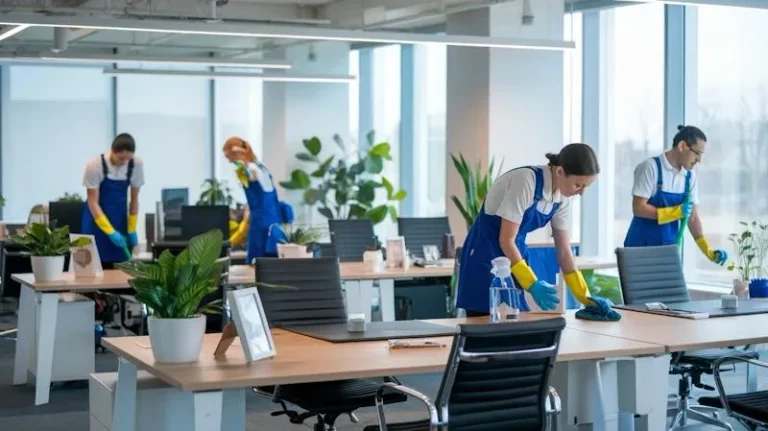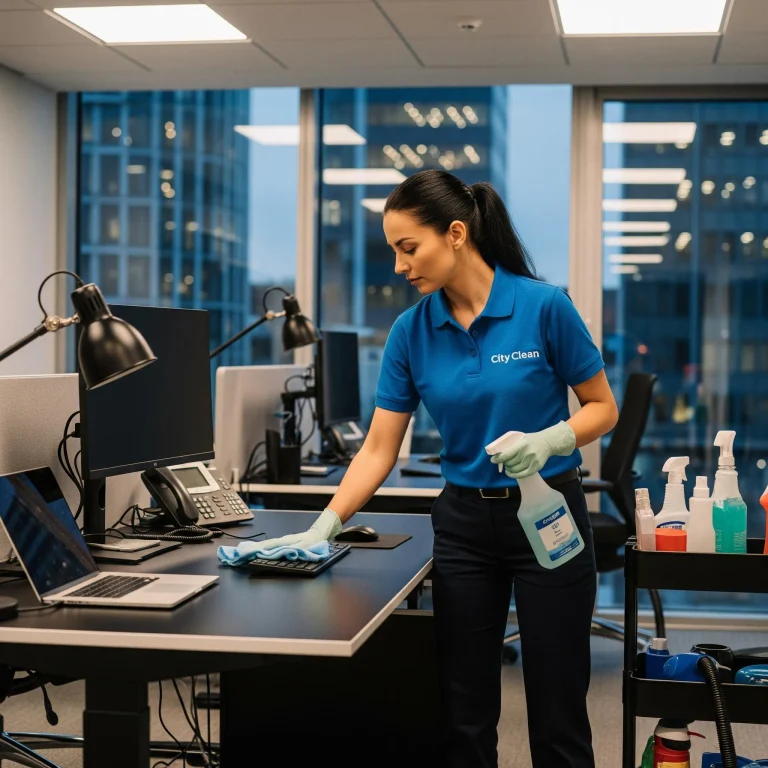

Maintaining a clean office is about more than making a good first impression. A consistently clean workplace supports employee health, improves indoor air quality, protects office surfaces, and creates a more comfortable environment for everyone. However, many businesses are unsure how often they should schedule professional office deep cleaning.
Weekly vs. Monthly Office Deep Cleaning
Weekly office deep cleaning focuses on maintaining workplace cleanliness through regular attention to frequently used surfaces, shared spaces, restrooms, kitchens, and high-touch areas. Monthly office deep cleaning provides more detailed maintenance by addressing hidden dirt, neglected corners, upholstery, carpets, vents, and accumulated grime. Most offices benefit from combining both schedules based on workplace size, traffic, and cleaning requirements.
What Is Weekly Office Deep Cleaning?
Weekly office deep cleaning is a scheduled cleaning service designed to maintain a consistently hygienic and presentable workplace. It involves more attention than basic daily tidying because cleaning professionals address areas where dirt, bacteria, dust, and other contaminants accumulate throughout the working week.
Unlike routine cleaning, which may involve emptying trash bins, wiping desks, and vacuuming visible floor areas, weekly deep cleaning gives greater attention to frequently used workplace surfaces and shared facilities.
An office experiences constant activity throughout the day. Employees walk across floors, touch door handles, use shared equipment, prepare food in break rooms, and gather in meeting spaces. These activities introduce dirt, oils, food particles, and microorganisms into the environment.
Weekly cleaning helps prevent these contaminants from accumulating to uncomfortable or unhygienic levels.
What Does Weekly Office Deep Cleaning Include?
The exact scope depends on the office layout, workforce size, and cleaning agreement. However, weekly office deep cleaning generally focuses on areas that experience frequent use.
Workstations receive attention through careful dusting of accessible surfaces, cleaning of shared desk areas, wiping of frequently touched furniture, and removal of visible dirt. Common equipment areas, including shared printers, conference tables, and reception counters, also benefit from regular cleaning.
Restrooms require consistent attention because they experience frequent use and exposure to moisture. Weekly cleaning may include disinfecting toilets, sinks, faucets, countertops, mirrors, and door handles. Floors are cleaned to remove dirt and residue, while waste containers are emptied and sanitized as needed.
Office kitchens and break rooms also need regular maintenance. Countertops, sinks, appliance exteriors, cabinet handles, tables, and other shared surfaces can collect food residue and bacteria. Professional cleaning helps prevent unpleasant odors, sticky surfaces, and unsanitary conditions.
Floor maintenance is another important part of the process. Vacuuming carpets, mopping hard floors, and removing visible stains help maintain a professional appearance while preventing dirt from spreading into other parts of the workplace.
Why Weekly Cleaning Matters for Busy Offices
A busy office can become noticeably dirty within just a few days. Even when employees clean up after themselves, regular activity creates a continuous cycle of dust, fingerprints, food spills, and surface contamination.
Without a consistent cleaning schedule, these problems can become increasingly difficult to manage.
Weekly office deep cleaning helps businesses maintain a predictable level of cleanliness. Instead of waiting until dirt becomes highly visible, cleaning professionals address recurring problems before they develop into larger maintenance concerns.
It also improves the experience of employees and visitors. A clean reception area, fresh-smelling restroom, and organized break room communicate that the business takes workplace standards seriously.
For offices with frequent visitors, shared workstations, customer-facing operations, or large teams, weekly cleaning can be particularly valuable.
What Is Monthly Office Deep Cleaning?
Monthly office deep cleaning is a more intensive cleaning process that focuses on areas that do not necessarily require detailed attention every week but still accumulate dirt and contaminants over time.
While weekly cleaning maintains everyday hygiene, monthly deep cleaning addresses the less visible problems that regular maintenance may not fully resolve.
Dust can collect behind office furniture, along baseboards, inside difficult-to-reach corners, and around equipment. Carpet fibers can trap dirt, allergens, and debris. Upholstered chairs may accumulate body oils, dust, and stains. Air vents and other overlooked surfaces can also collect dust.
Monthly deep cleaning provides an opportunity to address these areas through more detailed cleaning methods and specialized equipment when necessary.
What Does Monthly Office Deep Cleaning Include?
Monthly office deep cleaning typically covers areas that need additional time, equipment, or specialized treatment.
One important area is carpet and upholstery maintenance. Although regular vacuuming removes loose debris from carpet surfaces, embedded dirt can remain trapped within the fibers. Professional carpet cleaning may help remove deeper contamination, depending on the carpet material, condition, and appropriate cleaning method.
Office chairs, fabric partitions, and upholstered furniture can also benefit from periodic deep cleaning. These surfaces experience regular contact with employees and visitors, making them susceptible to dust, stains, and unpleasant odors.
Another important task is detailed dust removal. Cleaning professionals may address baseboards, door frames, window ledges, furniture edges, decorative fixtures, and other surfaces that are often overlooked during routine maintenance.
Monthly cleaning may also include detailed attention to office kitchens, such as cleaning appliance interiors where appropriate, removing grease buildup, addressing cabinet surfaces, and cleaning areas behind accessible equipment.
Restrooms may receive additional attention through detailed cleaning of grout lines, tile surfaces, fixtures, and other areas where mineral deposits, soap residue, and stubborn buildup can develop.
Depending on the facility, monthly services may also include interior glass cleaning, spot treatment for stubborn floor marks, and detailed cleaning of accessible air vents.
It is important to understand that monthly deep cleaning does not automatically include every specialized service. Carpet extraction, floor stripping and waxing, high-level dusting, and HVAC duct cleaning may require separate equipment, scheduling, and service arrangements.
Why Monthly Deep Cleaning Matters
Even a well-maintained office can develop hidden cleaning problems.
Regular surface cleaning cannot always remove deeply embedded dirt or accumulated residue. Over time, these conditions can affect the appearance of office interiors, contribute to unpleasant odors, and shorten the useful life of certain materials.
Monthly office deep cleaning helps address these problems before they become expensive maintenance concerns.
For example, carpet fibers that regularly collect dirt can become discolored and worn. Upholstered furniture may develop persistent stains. Dust accumulation on overlooked surfaces can make an otherwise clean office feel neglected.
A more detailed cleaning schedule helps preserve workplace materials and maintain a consistently professional environment.
Weekly vs. Monthly Office Deep Cleaning: The Main Differences
Although both cleaning schedules contribute to workplace hygiene, their objectives, cleaning frequency, and level of detail are different.
Cleaning Frequency and Purpose
Weekly office deep cleaning is intended to maintain cleanliness throughout normal business operations. It addresses recurring problems caused by everyday workplace activity.
Monthly office deep cleaning focuses on accumulated dirt and areas that need more intensive attention. Rather than repeating every weekly cleaning task at a greater level, it targets specific maintenance needs that develop over time.
For example, wiping shared kitchen countertops is a regular cleaning requirement, while removing stubborn grease buildup from difficult-to-reach kitchen surfaces may be part of a monthly detailed service.
Areas Covered
Weekly cleaning generally prioritizes high-traffic and frequently touched areas. These include workstations, reception areas, restrooms, kitchens, meeting rooms, floors, and shared equipment.
Monthly cleaning extends beyond these everyday priorities. It may include carpet extraction, upholstery cleaning, detailed baseboard cleaning, interior glass, furniture edges, and other overlooked areas.
The distinction is not that weekly cleaning ignores these spaces entirely. Instead, monthly cleaning allows additional time and attention for maintenance tasks that cannot always be completed during regular service visits.
Cleaning Methods and Equipment
Weekly cleaning commonly uses professional microfiber cloths, appropriate surface cleaners, disinfectants, vacuum cleaners, and floor-cleaning equipment.
Monthly deep cleaning may require specialized equipment depending on the surface and the level of contamination. Examples include carpet extraction machines, upholstery cleaning equipment, floor buffers, and specialized tools for removing stubborn residue.
The correct cleaning method depends on the material being treated. Using excessive moisture, unsuitable chemicals, or abrasive equipment can damage carpets, furniture, flooring, and other office finishes.
Time and Labor Requirements
Weekly cleaning is generally more predictable because the cleaning team follows an established maintenance routine.
Monthly deep cleaning may require additional labor and more time because certain areas need detailed preparation, treatment, and drying.
For example, cleaning an office carpet using an extraction method requires more preparation than ordinary vacuuming. Furniture may need to be moved, cleaning solutions applied, and sufficient drying time allowed before the area is used again.
This is why monthly deep cleaning is often scheduled outside normal working hours or during weekends.
Cost Considerations
Weekly cleaning creates a recurring maintenance expense, but it helps prevent everyday dirt and contamination from accumulating.
Monthly deep cleaning may involve higher individual service costs because certain tasks require more labor, equipment, and specialized techniques.
However, the overall cost should be evaluated based on the condition of the workplace rather than the price of an individual cleaning visit.
A business that maintains its office consistently may avoid expensive corrective cleaning, premature carpet replacement, and unnecessary furniture maintenance.
How to Choose the Right Office Cleaning Schedule
Choosing between weekly and monthly office deep cleaning depends on how the workplace operates.
There is no single schedule that works for every business. A small professional office with limited daily visitors has different cleaning requirements from a busy corporate office with dozens of employees, shared facilities, and frequent customer appointments.
The most effective approach considers workplace activity, the number of occupants, the condition of office surfaces, and the type of business.
Consider the Number of Employees
Employee count is one of the most practical factors when determining cleaning frequency.
A small office with three to five employees may generate relatively little daily waste and experience limited restroom and kitchen usage. Depending on its layout and activities, weekly professional cleaning combined with periodic detailed maintenance may be sufficient.
A larger office with 20, 50, or more employees experiences significantly greater use of shared spaces. Restrooms, break rooms, meeting rooms, and walkways may require more frequent attention.
As the number of occupants increases, so does the need for consistent cleaning and sanitation.
Evaluate Daily Foot Traffic
Foot traffic directly affects how quickly office floors, entrance areas, and common spaces become dirty.
Offices that receive regular customer visits, delivery personnel, contractors, and business partners often need more frequent cleaning than workplaces used exclusively by a small internal team.
Entrance mats, carpets, and hard floors are particularly affected because people bring dirt, moisture, and debris inside from outdoor environments.
Businesses with heavy foot traffic should prioritize weekly maintenance and consider additional cleaning for entrances and high-use areas.
Identify High-Risk and Shared Areas
Some office spaces require more attention because multiple people use them throughout the day.
Restrooms, kitchens, shared desks, conference rooms, and frequently touched equipment can become contaminated through repeated contact.
These areas should not be neglected simply because a monthly deep cleaning service is scheduled.
High-touch surfaces and restrooms generally require cleaning and disinfection at a frequency appropriate to their use. Waiting several weeks between cleaning visits may be unsuitable for busy workplaces.
Consider the Type of Business
Different industries have different workplace cleaning requirements.
A professional accounting office may have relatively low contamination risks and limited customer traffic. A medical administrative office, on the other hand, may experience more frequent use of waiting areas and shared surfaces.
Creative studios, training centers, coworking spaces, and commercial offices may also experience different patterns of dirt accumulation.
Businesses should consider their actual workplace activities instead of selecting a cleaning frequency based only on office size.
Can Weekly and Monthly Office Deep Cleaning Work Together?
Yes. In fact, combining weekly office cleaning with monthly deep cleaning is often the most practical approach for maintaining a consistently clean workplace.
These services address different maintenance requirements, making them complementary rather than competing options.
Weekly cleaning keeps frequently used spaces under control. Monthly deep cleaning addresses accumulated dirt, detailed surface maintenance, and areas that receive less frequent attention.
For example, an office may schedule weekly cleaning for workstations, restrooms, kitchens, floors, and shared areas. Once a month, the cleaning team can perform additional tasks such as detailed baseboard cleaning, upholstery treatment, carpet maintenance, and cleaning behind accessible furniture.
This arrangement prevents the workplace from becoming dependent on occasional intensive cleaning to correct problems that could have been addressed earlier.
It also makes cleaning requirements easier to manage because routine maintenance and periodic detailed work can be planned separately.
What Is the Best Cleaning Schedule for a Typical Office?
For many standard office environments, weekly professional cleaning combined with monthly detailed maintenance provides a practical starting point.
However, this should not be interpreted as a universal rule.
A small office may need weekly general cleaning and quarterly carpet maintenance rather than monthly carpet extraction. A large office with heavy traffic may require several cleaning visits each week, with selected deep cleaning tasks scheduled monthly.
Restrooms and frequently touched surfaces may need daily or more frequent attention, regardless of the monthly deep cleaning schedule.
The best cleaning plan is one that responds to actual workplace conditions instead of following an arbitrary calendar.
What Makes Professional Office Deep Cleaning Effective?
Effective office deep cleaning requires more than using stronger cleaning chemicals or spending additional time wiping surfaces.
A professional cleaning process should begin with an understanding of the workplace, the materials being cleaned, and the areas that need the most attention.
A Consistent Cleaning Process
Consistency is essential because cleaning quality should not depend entirely on which employee or cleaning professional performs the work.
A structured cleaning process helps ensure that important areas receive appropriate attention during every scheduled visit.
Cleaning teams should understand the required scope of work, the appropriate cleaning products, and the correct procedures for each surface.
For example, cleaning a computer workstation requires different precautions from cleaning a restroom floor. Electronic equipment should not be sprayed directly with liquid cleaning products, and restroom cleaning tools should not be transferred to food preparation areas.
Clear procedures help reduce cross-contamination and prevent accidental surface damage.
Proper Cleaning and Disinfection
Cleaning and disinfecting are related but different processes.
Cleaning removes visible dirt, dust, grease, and organic material from surfaces. Disinfection uses appropriate chemical products to inactivate or kill microorganisms on treated surfaces when used according to product instructions.
A surface that looks clean is not necessarily disinfected.
For effective results, surfaces should be cleaned before disinfection when required by the product label. The disinfectant must also remain wet for the specified contact time to achieve its intended effectiveness.
Using excessive amounts of disinfectant does not automatically improve hygiene. Correct product selection, application, and contact time matter more than simply using stronger chemicals.
Attention to Overlooked Areas
One common reason offices appear clean but still feel poorly maintained is the neglect of less visible areas.
Dust along baseboards, debris beneath accessible furniture, fingerprints around door frames, and dirt inside carpet fibers can gradually affect the overall appearance of a workplace.
Professional deep cleaning addresses these areas through a more detailed maintenance process.
The result is a workplace that feels consistently maintained rather than temporarily cleaned.
Appropriate Cleaning Products and Equipment
Different office materials require different cleaning methods.
Glass surfaces, wood furniture, carpets, stainless steel, vinyl flooring, and upholstered chairs should not all be treated with the same products.
Professional cleaners should select products based on surface compatibility, manufacturer recommendations, and the type of contamination being removed.
Appropriate equipment also improves efficiency and cleaning quality. Commercial vacuum cleaners, microfiber systems, floor machines, and carpet extraction equipment can help address specific cleaning requirements.
Common Office Deep Cleaning Mistakes Businesses Should Avoid
Relying Only on Monthly Deep Cleaning
One of the most common mistakes is assuming that a monthly deep cleaning appointment is enough to maintain an entire office.
While monthly services address accumulated dirt, they cannot replace regular attention to restrooms, kitchens, waste containers, and high-touch surfaces.
A workplace can become noticeably unhygienic long before the next scheduled monthly appointment.
Businesses should establish a routine cleaning schedule that addresses everyday needs while reserving monthly visits for more detailed maintenance.
Treating All Cleaning Tasks as Deep Cleaning
Another mistake is assuming that every cleaning activity needs the same level of attention.
Cleaning a reception counter, disinfecting a restroom, extracting dirt from carpet fibers, and removing buildup from floor grout are different tasks.
They require different methods, equipment, and time commitments.
A clearly defined cleaning scope helps businesses understand what is included in regular maintenance and what requires a separate deep cleaning service.
Ignoring High-Touch Surfaces
Door handles, light switches, elevator buttons, shared keyboards, and conference room equipment receive frequent contact.
Neglecting these areas can undermine an otherwise effective office cleaning program.
Businesses should identify frequently touched surfaces and establish cleaning frequencies based on how often they are used.
Using Incorrect Cleaning Chemicals
Using unsuitable products can damage office materials and create unnecessary safety concerns.
Strong chemicals are not automatically more effective. Some surfaces require neutral cleaners, while others need specific products designed for their material.
Cleaning professionals should follow product instructions, safety data sheets, dilution requirements, and appropriate protective measures.
Choosing a Cleaning Schedule Based Only on Price
Selecting the cheapest cleaning frequency may appear to reduce expenses initially, but it can result in inconsistent workplace conditions.
For example, reducing restroom cleaning in a busy office may create odor problems and require more intensive corrective cleaning later.
Businesses should evaluate cleaning services based on the work performed, the condition of the office, and the long-term value of maintaining workplace assets.
Common Myths About Weekly and Monthly Office Deep Cleaning
Myth: Monthly Deep Cleaning Is Always Enough
The reality: Monthly deep cleaning is designed to address accumulated dirt and detailed maintenance requirements. It does not replace routine cleaning of frequently used areas.
Restrooms, kitchens, common spaces, and high-touch surfaces often need attention much more frequently.
Myth: Weekly Cleaning Eliminates the Need for Deep Cleaning
The reality: Regular cleaning helps control everyday contamination, but certain types of dirt and buildup require specialized methods.
Carpet fibers, upholstery, grout lines, and difficult-to-reach surfaces may need periodic detailed treatment even when an office receives weekly cleaning.
Myth: Deep Cleaning Always Requires Stronger Chemicals
The reality: Effective deep cleaning depends on using the correct process, equipment, and cleaning products for the surface.
In many situations, proper mechanical cleaning and suitable products are more important than chemical strength.
Myth: A Small Office Does Not Need Professional Deep Cleaning
The reality: Office size alone does not determine cleaning requirements.
A small office with frequent visitors, shared equipment, and a busy kitchen may need more detailed maintenance than a larger office with limited occupancy.
Cleaning frequency should reflect actual use and workplace conditions.
How Much Does Weekly vs. Monthly Office Deep Cleaning Cost?
The cost of professional office deep cleaning depends on several factors, including office size, cleaning frequency, labor requirements, floor materials, restroom count, and the condition of the property.
Weekly cleaning typically involves recurring labor and supplies. Businesses may receive more predictable pricing through ongoing service agreements because the cleaning provider can plan staff, equipment, and maintenance schedules in advance.
Monthly deep cleaning costs can vary more significantly because specialized tasks may require additional labor or equipment.
For instance, detailed carpet extraction, upholstery cleaning, floor restoration, and high-level dust removal may be priced separately from standard cleaning services.
The condition of the office also affects the final cost. A carpet that receives consistent vacuuming and periodic maintenance may require less intensive treatment than one that has accumulated dirt and stains for several months.
When comparing cleaning proposals, businesses should look beyond the total price. Understanding which areas are included, which tasks are performed, and how frequently they are completed provides a more accurate picture of overall value.
How to Maintain Office Cleanliness Between Professional Cleaning Visits
Professional cleaning services are important, but everyday workplace habits also influence how clean an office remains.
Employees can help maintain a hygienic environment by cleaning up food spills, disposing of waste properly, keeping shared kitchen surfaces tidy, and avoiding unnecessary clutter.
Businesses should also provide accessible waste containers, suitable handwashing facilities, and appropriate cleaning supplies for minor spills.
Carpets and entrance areas benefit from properly maintained floor mats that reduce the amount of outdoor dirt brought inside.
Shared equipment should have clear cleaning procedures, especially in workplaces where employees regularly use the same keyboards, phones, meeting room equipment, and other frequently touched items.
Good workplace habits do not replace professional cleaning. Instead, they support it by reducing unnecessary dirt accumulation between scheduled visits.
Summary: Which Office Deep Cleaning Schedule Is Better?
Weekly and monthly office deep cleaning serve different but equally important purposes. Weekly cleaning maintains everyday workplace hygiene by focusing on high-traffic areas, shared facilities, workstations, restrooms, kitchens, and frequently touched surfaces.
Monthly deep cleaning provides more detailed maintenance for accumulated dirt, carpets, upholstery, baseboards, difficult-to-reach areas, and other surfaces that require specialized attention.
For many offices, combining both approaches creates a more reliable cleaning strategy. However, the ideal schedule depends on employee numbers, visitor traffic, workplace activities, surface materials, and cleaning requirements.
The most effective approach is to maintain frequently used areas consistently while scheduling detailed cleaning based on actual maintenance needs.
Key Takeaways
Weekly office deep cleaning helps maintain a clean, comfortable, and hygienic workplace by addressing dirt and contamination caused by everyday business activities. It is particularly important for offices with shared facilities, frequent visitors, and high employee traffic.
Monthly office deep cleaning focuses on areas that require more detailed attention. It helps manage accumulated dust, embedded carpet dirt, upholstery stains, and neglected surfaces that regular maintenance may not fully address.
Neither schedule completely replaces the other. Combining routine weekly cleaning with periodic detailed maintenance helps businesses protect office interiors, support employee comfort, and maintain a professional environment.
Ultimately, the best office cleaning schedule is not necessarily the most frequent or expensive one. It is the schedule that consistently meets the needs of the workplace.
Frequently Asked Questions About Weekly and Monthly Office Deep Cleaning
Is weekly office deep cleaning better than monthly deep cleaning?
Neither is universally better because they serve different purposes. Weekly cleaning is more suitable for maintaining everyday workplace hygiene, while monthly deep cleaning addresses accumulated dirt and areas requiring specialized attention. Many offices benefit from combining both services.
How often should an office receive professional deep cleaning?
Most standard offices benefit from regular weekly cleaning and periodic detailed maintenance. However, the ideal frequency depends on office size, employee numbers, foot traffic, shared facilities, and the condition of the workplace. High-traffic offices may require several cleaning visits each week.
What is included in a monthly office deep cleaning service?
Monthly office deep cleaning may include detailed dust removal, carpet and upholstery maintenance, baseboard cleaning, interior glass cleaning, detailed kitchen cleaning, and attention to difficult-to-reach surfaces. The exact scope depends on the service agreement and the condition of the office.
Does weekly office cleaning include disinfecting?
It can, depending on the agreed cleaning scope. Professional weekly cleaning may include disinfecting appropriate high-touch surfaces, restroom fixtures, kitchen countertops, and shared areas. Effective disinfection requires suitable products and adherence to their recommended contact times.
Can monthly deep cleaning remove office carpet stains and odors?
Professional carpet deep cleaning can help remove certain stains, trapped dirt, and odor-causing residues. However, results depend on the carpet material, stain type, contamination level, and cleaning method. Some permanent discoloration or damage may not be completely reversible.
Is monthly deep cleaning necessary for a small office?
Yes, although the required frequency may be lower than that of a busy commercial office. Small workplaces can still accumulate dust, carpet dirt, kitchen residue, and buildup on overlooked surfaces. Periodic detailed cleaning helps maintain office interiors and prevent neglected areas from deteriorating.
Should office deep cleaning be scheduled during business hours?
For many workplaces, scheduling intensive cleaning outside business hours is more practical. Evening or weekend appointments allow cleaning professionals to access workstations, meeting rooms, and shared facilities without disrupting employees. It also provides additional time for treated carpets and floors to dry before normal office activities resume.
Conclusion: Build a Cleaner Workplace With the Right Office Cleaning Schedule
A clean office creates a better environment for employees, customers, and business visitors. However, maintaining that standard requires more than occasional cleaning. Businesses need a consistent approach that addresses everyday dirt while preventing long-term buildup in less visible areas.
Weekly office deep cleaning helps maintain workplace hygiene, while monthly deep cleaning provides the detailed attention needed to preserve carpets, furniture, floors, and other office surfaces. When combined effectively, these services create a practical maintenance strategy that supports cleanliness, employee comfort, and a professional business image.
The best time to establish a better office cleaning routine is before small maintenance problems become larger concerns. Evaluate your workplace, identify the areas that need the most attention, and choose a cleaning schedule that fits your operations.
If your o/ffice needs a more consistent and reliable cleaning routine, consider arranging a professional assessment to determine the right combination of weekly maintenance and monthly deep cleaning. A cleaner workplace is an investment in the people, property, and daily operations that keep your business moving.