Why Is Professional Cleaning Important for Workplace Health and Safety?
Professional cleaning is important for workplace health and safety because it helps reduce harmful germs, prevent slips and falls, control dust and allergens, and maintain hygienic working conditions. Regular cleaning also protects employees and visitors, supports productivity, and helps businesses maintain a safer, healthier, and more welcoming environment.
What Is Professional Cleaning in the Workplace?
Professional cleaning refers to the systematic cleaning, sanitising, and maintenance of commercial workplaces using appropriate equipment, cleaning products, trained personnel, and established procedures. Unlike occasional surface cleaning, professional cleaning follows a structured approach that considers the specific hygiene requirements, risks, and daily activities of a business.
Workplaces experience constant activity. Employees share desks, meeting rooms, kitchens, bathrooms, reception areas, and other common facilities. Customers, contractors, and visitors also move through these spaces throughout the day. Without consistent cleaning, dirt, bacteria, dust, food residue, and other contaminants can gradually accumulate.
Professional cleaning addresses these issues through planned cleaning schedules and suitable methods for different surfaces and environments. This may include vacuuming carpets, mopping floors, disinfecting frequently touched surfaces, cleaning bathrooms, removing rubbish, and maintaining shared facilities.
The objective is not simply to make an office look presentable. It is to create an environment where people can work comfortably while reducing preventable health and safety risks.
Why Professional Cleaning Matters for Workplace Health and Safety
Reduces the Spread of Germs and Harmful Bacteria
One of the most important benefits of professional cleaning is reducing the number of harmful microorganisms that can accumulate on frequently touched surfaces.
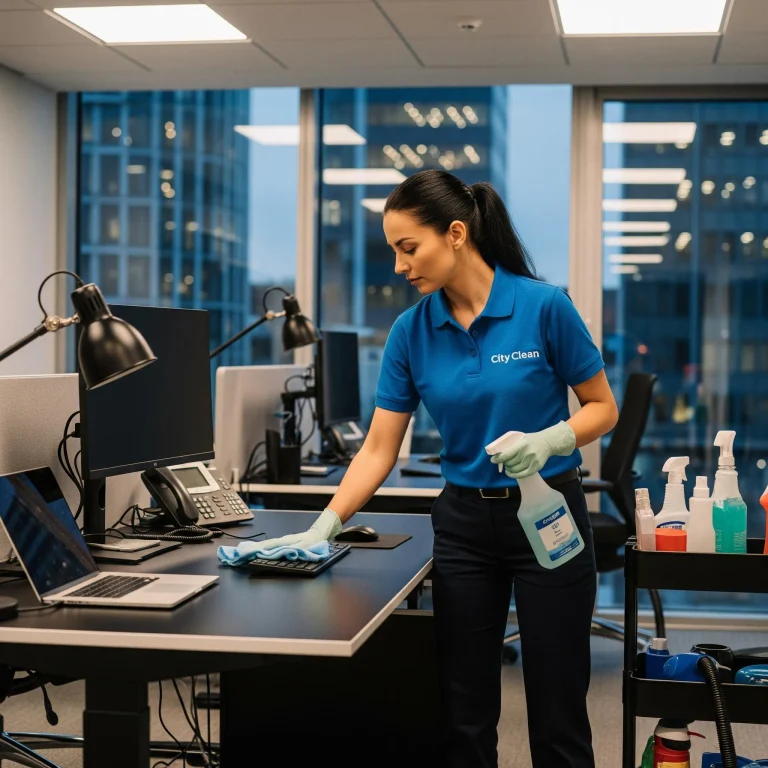
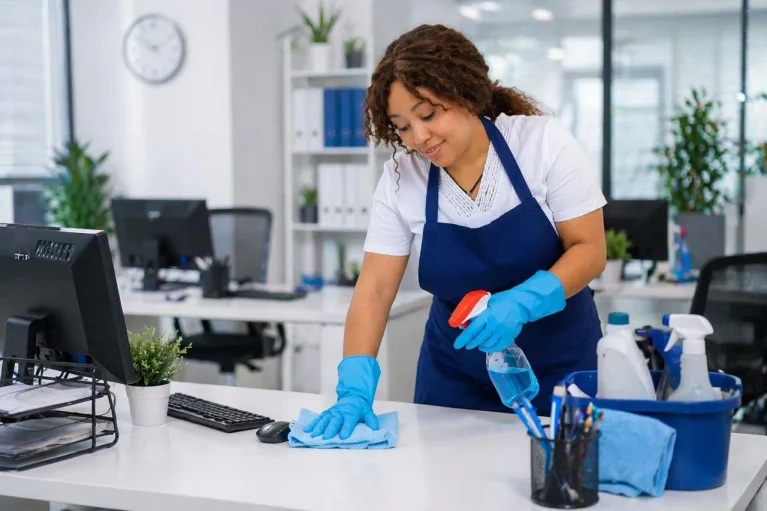
Office desks, keyboards, door handles, light switches, elevator buttons, kitchen counters, and bathroom fixtures are touched by multiple people throughout the day. When these surfaces are not cleaned regularly, they can become potential points of contamination.
Employees who touch contaminated surfaces and then touch their faces, food, or personal belongings may increase their exposure to harmful microorganisms.
A consistent cleaning routine helps reduce this risk by removing dirt and germs from shared surfaces. Where appropriate, targeted disinfection provides an additional level of protection, particularly in high-traffic areas or spaces affected by illness.
The Centers for Disease Control and Prevention explains that regular cleaning helps prevent the spread of germs in community facilities, including offices and commercial buildings. It also recommends paying particular attention to frequently touched surfaces.
This makes professional cleaning an important part of maintaining workplace hygiene and supporting a healthier working environment.
Prevents Slips, Trips, and Workplace Accidents
A clean workplace is also a safer workplace. Dirty, wet, or poorly maintained floors can create hazards that lead to injuries.
Spilled drinks, leaking equipment, wet bathroom floors, loose dirt, food residue, and cleaning product buildup can increase the risk of slipping. Cluttered walkways, overflowing rubbish bins, and poorly maintained carpets can also create tripping hazards.
These problems may appear minor, but a single workplace accident can result in painful injuries, medical expenses, lost working hours, and disruption to normal business operations.
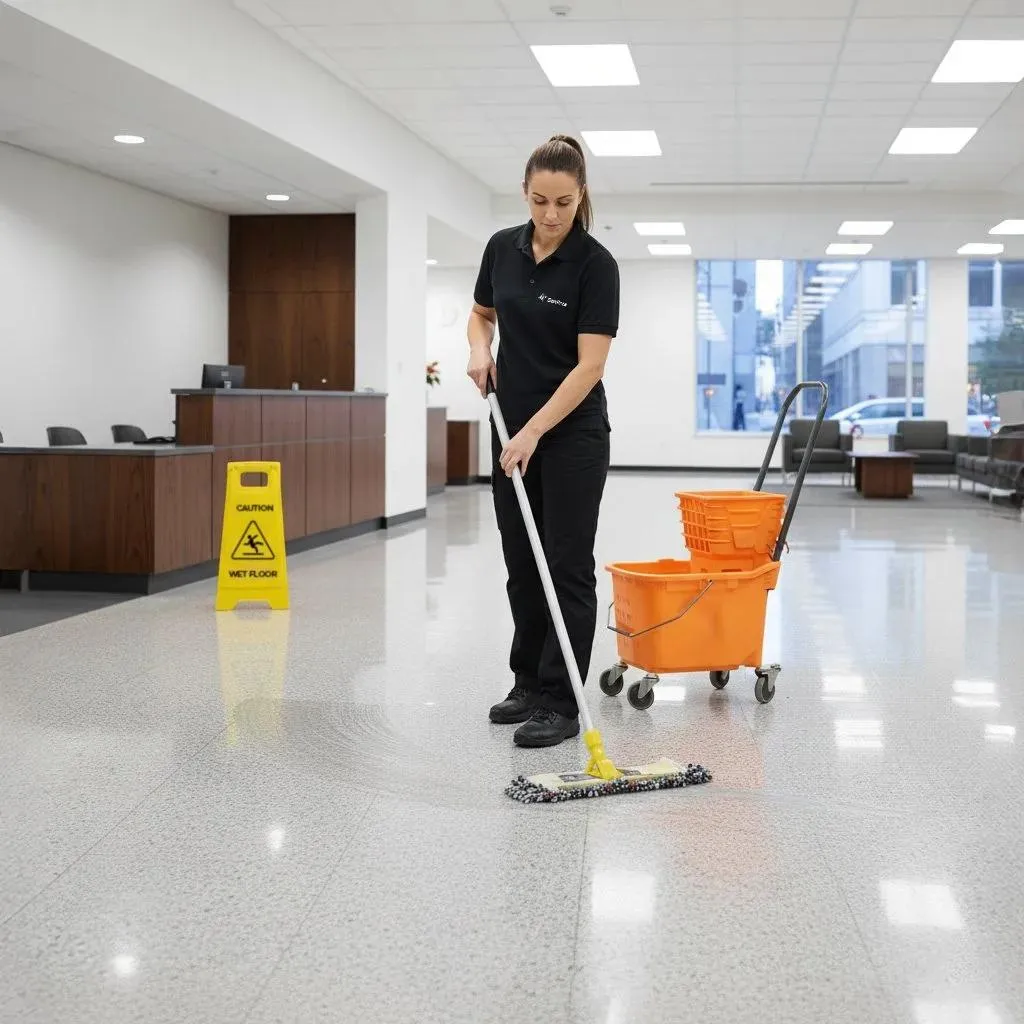
Professional cleaners understand the importance of using appropriate floor cleaning methods and managing wet areas carefully. This includes selecting suitable cleaning solutions, placing warning signs where necessary, allowing floors to dry properly, and keeping access routes clear during cleaning.
For example, an office reception area with heavy daily foot traffic may require more frequent floor maintenance than a storage room used occasionally.
Safe Work Australia highlights the importance of regular floor inspections, proper housekeeping, prompt spill removal, and appropriate cleaning methods to minimise slip and trip risks.
Professional cleaning supports these efforts by helping businesses maintain cleaner, safer floors throughout their premises.
Improves Indoor Air Quality and Reduces Allergens
Indoor air quality is another important factor affecting workplace health.
Dust, pollen, mould spores, pet dander, and other airborne particles can accumulate in carpets, upholstery, curtains, ventilation areas, and neglected surfaces. When people move through these spaces, some particles can become airborne and affect the indoor environment.
Employees who spend several hours inside commercial buildings may experience discomfort from excessive dust and poor ventilation. Depending on individual sensitivities and exposure, this can include sneezing, coughing, irritated eyes, and respiratory discomfort.
Professional cleaning helps reduce accumulated dust and other contaminants through suitable vacuuming, surface cleaning, and maintenance of soft furnishings.
Carpets and upholstered furniture deserve particular attention because they can trap dust and debris that ordinary surface wiping cannot remove. Periodic deep cleaning can help address embedded dirt and maintain these materials.
However, cleaning alone cannot resolve every indoor air quality problem. Businesses should also maintain ventilation systems, investigate moisture issues, and address sources of mould or persistent contamination.
Combining professional cleaning with good building maintenance creates a healthier indoor environment for employees and visitors.
Supports Better Employee Health and Wellbeing
Employees perform better when they feel comfortable and safe in their working environment.
A workplace with dirty bathrooms, unpleasant odours, dusty surfaces, overflowing rubbish bins, or poorly maintained shared spaces can negatively affect employee morale. It may also create unnecessary discomfort and make people less confident about workplace hygiene.
Professional cleaning helps establish a consistent standard of cleanliness across the building. Employees can use shared facilities with greater confidence, concentrate on their responsibilities, and spend less time dealing with avoidable hygiene problems.
A clean environment also demonstrates that management takes employee wellbeing seriously.
This matters because workplace health is not limited to preventing major injuries or controlling the spread of illness. It also involves creating conditions that support comfort, dignity, and a positive daily experience.
When employees see that their workplace is properly maintained, it can strengthen their confidence in the business and contribute to a more positive workplace culture.
Helps Maintain Hygienic Kitchens and Bathroom Facilities
Commercial kitchens, staff lunchrooms, and bathrooms require particular attention because they are frequently used and can quickly develop hygiene problems.
Food crumbs, spills, grease, dirty sinks, overflowing bins, and contaminated surfaces can attract pests and create unpleasant conditions. Bathrooms may also develop odours, soap residue, limescale, and contamination around frequently touched fixtures.
Professional cleaning ensures these areas receive appropriate attention rather than being overlooked during general office maintenance.
Kitchen counters, dining tables, sinks, taps, appliance handles, and frequently touched surfaces should be cleaned according to their use and the requirements of the facility. Bathrooms require suitable cleaning procedures for toilets, basins, mirrors, floors, and other fixtures.
For workplaces where food is prepared or handled, additional food safety requirements may apply. Businesses should ensure that cleaning procedures are appropriate for the type of operation and comply with relevant regulations.
Maintaining these facilities properly helps reduce hygiene concerns and creates a more comfortable experience for everyone using the workplace.
How Professional Cleaning Helps Create a Safer Workplace
Professional cleaning works best when it follows a planned and risk-based approach. Different areas of a commercial building have different cleaning requirements, so a single routine may not be suitable for every space.
Workplace Cleaning Assessments and Risk Identification
An effective cleaning programme begins with understanding the workplace.
A professional cleaning assessment considers the size of the building, the number of employees, daily foot traffic, flooring materials, shared facilities, and activities carried out on the premises.
A busy office with several meeting rooms may require frequent cleaning of desks, door handles, and shared equipment. A commercial warehouse may need more attention to floor contamination, dust accumulation, waste areas, and access routes.
Identifying these differences helps establish appropriate cleaning priorities.
It also allows businesses to recognise recurring problems, such as spills near kitchen areas, dirt entering through building entrances, or dust collecting around workstations.
Proper Cleaning Products and Equipment
Using the right cleaning products is essential for achieving good results without creating additional workplace hazards.
Different materials require different cleaning methods. Products suitable for tiled floors may not be appropriate for natural stone, timber, electronic equipment, or delicate surfaces.
Professional cleaners select suitable solutions and equipment based on the surface, type of contamination, and cleaning requirements.
They must also follow product instructions, use appropriate protective equipment, maintain adequate ventilation, and avoid mixing incompatible chemicals.
The CDC advises cleaning surfaces before applying disinfectants because dirt and other impurities can interfere with the effectiveness of disinfection. It also emphasises following product directions and observing the required contact time.
These procedures help ensure cleaning is effective while reducing unnecessary exposure to cleaning chemicals.
Scheduled Cleaning and Routine Maintenance
Consistent cleaning is more effective than waiting until a workplace becomes visibly dirty.
A professional cleaning schedule establishes how frequently different areas should be maintained. High-traffic spaces and frequently touched surfaces may require daily attention, while other areas may need weekly or periodic deep cleaning.
For example, bathrooms and staff kitchens generally need regular cleaning because of their frequent use. Carpets may require routine vacuuming and occasional deep cleaning, depending on traffic and material.
Scheduled maintenance also helps prevent dirt, grease, and residue from building up over time.
When cleaning tasks are properly planned, businesses can maintain more consistent standards and identify problems before they become larger maintenance concerns.
Seven Important Benefits of Professional Cleaning for Businesses
Creates a More Productive Working Environment
Employees need a clean and organised space to concentrate on their responsibilities. Dusty desks, dirty floors, overflowing bins, and unpleasant shared facilities can become distractions throughout the working day.
Professional cleaning helps create an environment where employees can focus on their work rather than worrying about basic hygiene and maintenance issues.
Reduces Preventable Workplace Health Risks
Regular cleaning helps reduce surface contamination, accumulated dust, and other avoidable hygiene concerns. Appropriate cleaning and disinfection procedures can also help lower the risk of spreading certain germs through shared surfaces.
Although cleaning cannot eliminate every health risk, it is an important part of a wider workplace health and safety programme.
Protects Office Furniture and Building Surfaces
Dirt and grime can gradually damage flooring, upholstery, carpets, and other building materials.
Routine maintenance helps prevent excessive buildup and preserves the condition of workplace assets. This can reduce the need for premature repairs or replacement.
Improves Business Appearance and Professional Image
A clean workplace creates a positive first impression. Customers, clients, suppliers, and business partners are more likely to feel comfortable entering a premises that is organised, hygienic, and properly maintained.
Reception areas, meeting rooms, bathrooms, and entrances all contribute to how people perceive a business.
Supports Workplace Safety Procedures
Professional cleaning helps maintain clear walkways, cleaner floors, hygienic facilities, and properly managed waste areas. These practices support broader workplace safety procedures and help reduce avoidable hazards.
Saves Employees Time and Effort
Employees should be able to concentrate on their actual responsibilities instead of regularly taking time away from their work to manage extensive cleaning tasks.
Professional cleaners take responsibility for scheduled cleaning activities, allowing staff to focus on their roles while still maintaining good personal housekeeping habits.
Provides More Consistent Cleaning Standards
A structured cleaning arrangement creates clear expectations about what needs to be cleaned, how frequently tasks should be completed, and which methods are appropriate.
This consistency makes it easier for businesses to monitor cleanliness and address areas that need additional attention.
What Areas of a Workplace Need Regular Professional Cleaning?
Offices and Shared Workstations
Office environments contain numerous shared surfaces that can accumulate dust, fingerprints, and everyday contamination.
Desks, chairs, keyboards, telephones, meeting tables, door handles, and light switches require appropriate routine cleaning. Floors and carpets should also receive regular maintenance to prevent dirt from spreading throughout the building.
Reception Areas and Meeting Rooms
Reception areas are often the first spaces visitors encounter. They should remain clean, organised, and free from unnecessary clutter.
Meeting rooms also require attention because different employees and visitors may use the same tables, chairs, screens, and equipment throughout the day.
Commercial Bathrooms
Bathrooms require consistent cleaning to maintain hygiene and prevent unpleasant odours.
Toilets, basins, taps, mirrors, floors, dispensers, and frequently touched fixtures should be maintained using suitable cleaning products and procedures.
Staff Kitchens and Lunchrooms
Shared food areas can develop grease, spills, food residue, and unpleasant odours when cleaning is inconsistent.
Regular maintenance helps keep counters, sinks, tables, floors, and shared appliances hygienic and comfortable to use.
Floors, Carpets, and High-Traffic Areas
Entrances, hallways, staircases, and walkways often collect dirt from outdoor footwear and everyday movement.
Regular floor maintenance helps prevent excessive dirt buildup while reducing the risk of slippery or poorly maintained surfaces.
Common Professional Cleaning Mistakes That Can Affect Workplace Safety
Cleaning Without a Proper Schedule
One common mistake is relying on occasional cleaning instead of following a structured maintenance plan.
This approach can cause important areas to be overlooked. Bathrooms may become unhygienic, high-touch surfaces may remain contaminated, and dirt can accumulate in less visible spaces.
A cleaning schedule should reflect the actual use of each area rather than applying the same frequency throughout the entire building.
Using Incorrect Cleaning Chemicals
Using unsuitable chemicals can damage surfaces, leave residues, or expose workers to unnecessary hazards.
Some products require dilution, protective equipment, adequate ventilation, or a specific application time. Ignoring these requirements can reduce cleaning effectiveness and create safety concerns.
Businesses should ensure that cleaners understand product instructions and have access to relevant Safety Data Sheets.
Ignoring Wet Floor Hazards
Cleaning floors without controlling pedestrian access can create an immediate slipping risk.
Wet surfaces should be clearly identified, and cleaning should ideally take place when foot traffic is lower. Floors should be allowed to dry properly before normal access resumes.
Focusing Only on Visible Dirt
A workplace may look clean while important hygiene areas are being neglected.
Frequently touched surfaces, shared equipment, bathroom fixtures, and kitchen counters require attention even when they do not appear visibly dirty.
Effective cleaning considers both appearance and hygiene requirements.
Neglecting High-Traffic Areas
Entrances, corridors, reception areas, and shared facilities often experience more frequent use than other parts of a building.
Treating every area equally can result in insufficient cleaning where it is needed most.
A risk-based approach prioritises spaces according to their use, contamination potential, and safety requirements.
Common Myths About Professional Workplace Cleaning
Myth: A Workplace Is Safe If It Looks Clean
A visually attractive workplace is not automatically hygienic or hazard-free.
Dust may remain in carpets, frequently touched surfaces may require cleaning, and floors may still contain slippery residues. Good workplace cleaning considers conditions that are not always immediately visible.
Myth: Disinfecting Is Always Better Than Regular Cleaning
Disinfecting is useful in certain situations, but it is not a replacement for proper cleaning.
Cleaning removes dirt and many germs from surfaces. Sanitising reduces remaining germs, while disinfecting kills specific microorganisms when the correct product and procedure are used.
The appropriate method depends on the surface, contamination, and workplace requirements. Unnecessary chemical use can create additional exposure risks.
Myth: Employees Can Handle All Commercial Cleaning Themselves
Employees should maintain their personal workspaces and follow good housekeeping practices. However, expecting them to manage every cleaning responsibility can result in inconsistent standards.
Professional cleaning provides structured maintenance, appropriate equipment, and dedicated attention to areas that require more extensive cleaning.
Myth: Professional Cleaning Is Only Necessary for Large Businesses
Businesses of every size need suitable workplace hygiene and safety arrangements.
Small offices can experience the same problems with dust, spills, shared facilities, and contaminated surfaces as larger commercial buildings.
The cleaning programme should match the size, activities, and risks of the premises rather than the number of employees alone.
How to Choose the Right Professional Cleaning Service
Choosing a professional cleaning service involves more than comparing prices. Businesses should consider the provider’s experience, cleaning procedures, communication, reliability, and understanding of workplace requirements.
A suitable cleaning provider should be able to assess the premises and recommend a practical cleaning schedule based on the building’s daily activities.
It is also important to understand what services are included in the agreement. General office cleaning, bathroom maintenance, carpet cleaning, floor care, and periodic deep cleaning may require different equipment and procedures.
Businesses should ask how cleaning chemicals are selected, how workers are protected, and how wet floor hazards are managed. They should also understand how missed tasks, urgent cleaning requests, and recurring hygiene concerns are communicated and resolved.
Clear expectations help both parties maintain consistent cleaning standards.
For Australian businesses, cleaning arrangements should support applicable work health and safety obligations. Professional cleaning is one part of workplace risk management, not a replacement for an employer’s broader responsibilities.
How Often Should a Workplace Be Professionally Cleaned?
The ideal cleaning frequency depends on the size of the premises, number of occupants, type of business, foot traffic, and hygiene requirements.
Many offices benefit from daily cleaning of frequently used areas, particularly bathrooms, kitchens, reception spaces, and shared facilities.
Workplaces with fewer employees or lower foot traffic may require a different schedule. However, reducing cleaning frequency should never mean ignoring spills, visible contamination, or potential safety hazards.
Carpets, upholstery, windows, and other surfaces may require periodic deep cleaning in addition to routine maintenance.
The most effective approach is to establish a cleaning plan based on an assessment of the workplace and review it whenever business activities or occupancy levels change.
Key Takeaways: Maintaining a Healthy and Safe Workplace
Professional cleaning plays an important role in protecting employees, visitors, and business premises. It helps reduce germs, control dust and allergens, maintain hygienic shared facilities, and minimise hazards associated with dirty or poorly maintained floors.
An effective cleaning programme combines trained cleaning personnel, appropriate products, suitable equipment, regular schedules, and proper safety procedures.
Businesses should also recognise that cleaning is an ongoing responsibility. Maintaining a healthy workplace requires cooperation between management, employees, and professional cleaning providers.
Investing in consistent cleaning is not simply about maintaining appearances. It is about creating an environment where people feel comfortable, work safely, and can perform their responsibilities with confidence.
Frequently Asked Questions About Professional Cleaning and Workplace Health and Safety
1. Why Is Professional Cleaning Important for Workplace Health and Safety?
Professional cleaning helps maintain hygienic working conditions by removing dirt, dust, and germs from frequently used surfaces. It also helps prevent slips and falls, improves cleanliness in shared facilities, and supports employee wellbeing. These practices contribute to a safer and more comfortable workplace.
2. How Does Professional Cleaning Help Prevent the Spread of Illness?
Professional cleaning removes dirt and reduces the number of germs on commonly touched surfaces, including desks, door handles, keyboards, kitchen counters, and bathroom fixtures. Appropriate disinfection can provide additional protection when required, helping reduce opportunities for certain microorganisms to spread through shared environments.
3. How Often Should Commercial Offices Be Professionally Cleaned?
Most commercial offices benefit from regular cleaning, with frequently used areas receiving daily attention. Bathrooms, kitchens, reception areas, and shared facilities generally require more frequent maintenance than spaces with limited use. The appropriate schedule depends on occupancy, foot traffic, business activities, and specific hygiene requirements.
4. Can Professional Cleaning Reduce Workplace Accidents?
Yes. Proper cleaning and housekeeping can help reduce hazards associated with spills, wet floors, accumulated dirt, and obstructed walkways. Professional cleaners use appropriate floor care methods and safety procedures to help minimise these risks. However, cleaning should be supported by workplace inspections and prompt hazard reporting.
5. What Is the Difference Between Cleaning, Sanitising, and Disinfecting?
Cleaning removes dirt, impurities, and many germs from surfaces. Sanitising reduces the number of remaining germs to an appropriate level, while disinfecting uses specific chemicals to kill certain microorganisms. These processes serve different purposes, and the correct approach depends on the surface and hygiene requirements.
6. Does Professional Cleaning Improve Employee Productivity?
A clean and organised workplace can support employee productivity by reducing distractions and making shared facilities more comfortable to use. It also allows employees to spend more time on their actual responsibilities rather than dealing with extensive cleaning and maintenance tasks.
7. What Should Businesses Look for in a Commercial Cleaning Provider?
Businesses should look for a reliable provider with suitable experience, trained cleaning staff, appropriate equipment, safe chemical handling procedures, and flexible cleaning schedules. A good provider should understand the premises, communicate clearly, and maintain consistent cleaning standards based on the business’s hygiene and safety requirements.
Conclusion: Invest in Professional Cleaning for a Healthier and Safer Workplace
A clean workplace is more than a reflection of a well-managed business. It is an important part of protecting employee health, reducing preventable hazards, and creating an environment where people can work comfortably and confidently.
From reducing the spread of germs and improving indoor air quality to maintaining safer floors and hygienic shared facilities, professional cleaning provides benefits that extend well beyond appearance.
Businesses that prioritise regular cleaning are better positioned to maintain consistent hygiene standards, support employee wellbeing, and provide a welcoming environment for customers and visitors.
The key is to choose a cleaning approach that matches the needs of the premises and maintains the right standards throughout the year.
If your workplace needs reliable commercial cleaning and ongoing maintenance, CleanPro can help you maintain a cleaner, healthier, and more professional business environment. Get in touch with CleanPro to discuss a cleaning solution suited to your workplace.