A clean workplace does more than create a positive first impression. It protects employee health, supports productivity, improves workplace safety, and helps businesses maintain a professional image. However, keeping a commercial property consistently clean can become difficult without the right equipment, cleaning methods, and trained staff. Recognizing the signs that your business needs a professional commercial cleaning service can help you prevent hygiene problems before they affect your employees, customers, and daily operations.
When Does Your Business Need a Commercial Cleaning Service?
Your business may need a professional commercial cleaning service when dust keeps returning, unpleasant odours develop, restrooms become difficult to maintain, employees experience more sick days, or customers notice visible dirt. Inconsistent cleaning, neglected high-touch surfaces, and insufficient cleaning resources are also signs that professional support may be necessary.
Why Professional Commercial Cleaning Matters for Businesses
Commercial cleaning involves maintaining workplaces, offices, retail stores, medical facilities, industrial buildings, and other business properties using appropriate cleaning procedures, equipment, and products. Unlike basic household cleaning, commercial cleaning focuses on larger spaces, shared facilities, high-traffic areas, workplace hygiene, and the specific cleaning requirements of different industries.
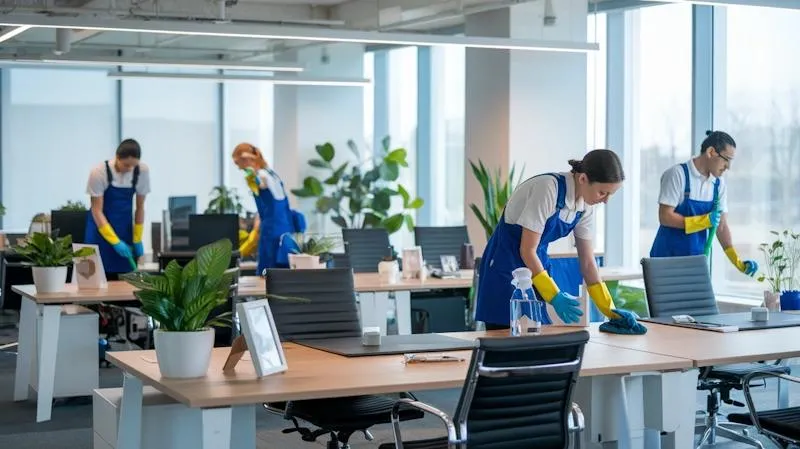
A professional commercial cleaning service helps businesses maintain consistent cleanliness through scheduled cleaning programs, trained cleaning personnel, suitable disinfecting methods, and detailed maintenance procedures. These services can include office cleaning, floor care, restroom sanitation, surface disinfection, rubbish removal, window cleaning, and common-area maintenance.
Workplace cleanliness is important because employees and visitors regularly share surfaces, equipment, meeting rooms, kitchens, and restrooms. Without proper cleaning, dirt, dust, bacteria, and other contaminants can accumulate in areas that are frequently overlooked.
Recognizing when your current cleaning arrangements are no longer effective allows you to make improvements before small maintenance problems become expensive or disruptive.
10 Signs Your Business Needs a Professional Commercial Cleaning Service
1. Your Workplace Always Looks Dirty Despite Regular Cleaning
One of the clearest signs that your business needs professional cleaning support is when your workplace never seems completely clean. Floors may still look dull after mopping, desks collect dust shortly after wiping, and fingerprints remain visible on glass doors and windows.
This usually indicates that your current cleaning routine is not addressing the actual cleaning requirements of the property. Basic surface cleaning may remove visible dirt, but it may not eliminate accumulated grime, stubborn stains, or contamination in frequently used areas.
Professional cleaners follow structured cleaning procedures that address different surfaces and areas according to their condition and usage. They also use appropriate equipment and cleaning products to achieve more consistent results.
A consistently clean workplace creates a better environment for employees while helping customers feel more comfortable when visiting your business.
2. Employees Are Frequently Getting Sick
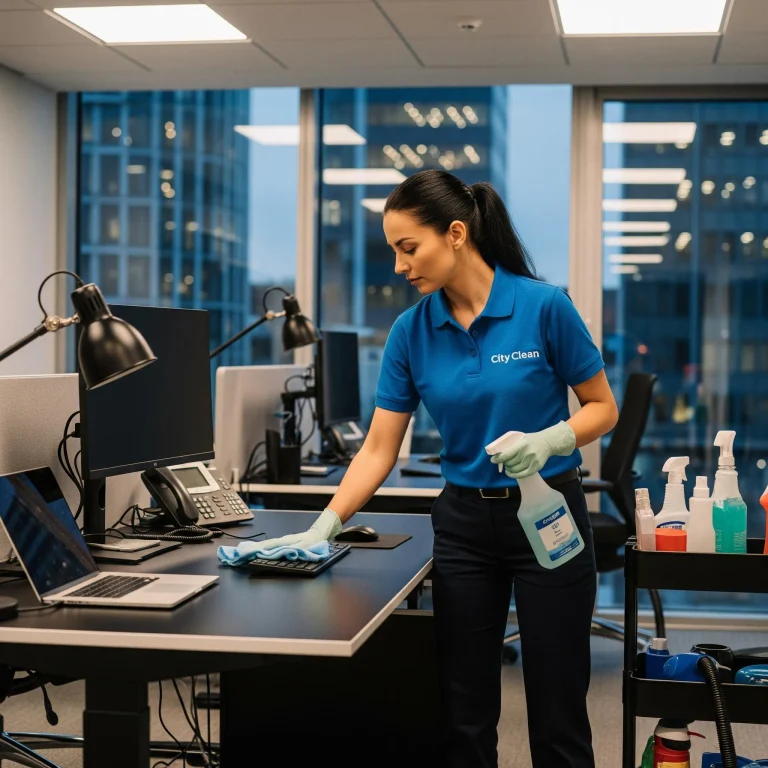
An increase in employee sick days may be another reason to review your workplace cleaning practices. Shared keyboards, door handles, elevator buttons, light switches, desks, and kitchen surfaces can become contaminated through frequent contact.
When these high-touch surfaces are not cleaned and disinfected properly, microorganisms can spread between employees who use the same facilities.
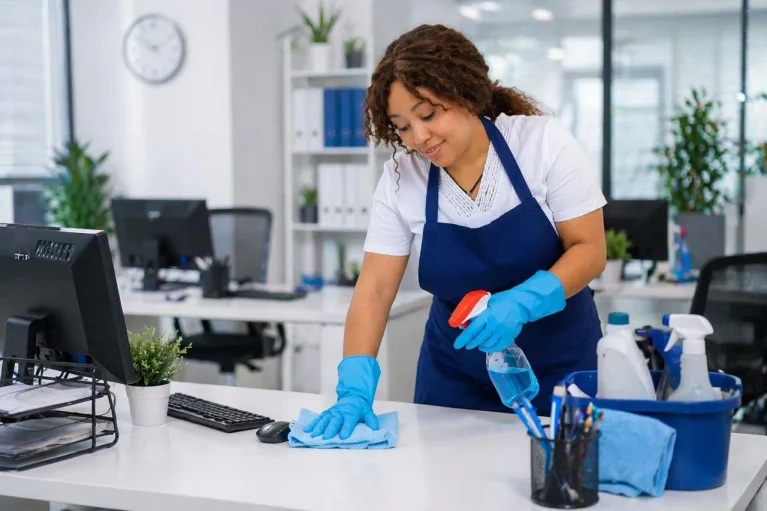
Professional commercial cleaning helps reduce the accumulation and spread of germs by incorporating appropriate surface cleaning and disinfection procedures. Cleaning schedules can prioritize shared workstations, restrooms, break rooms, reception areas, and other frequently touched surfaces.
Although professional cleaning cannot eliminate every cause of illness, maintaining good workplace hygiene supports a healthier environment and demonstrates that employee wellbeing is a business priority.
3. Your Restrooms Have Persistent Odours or Hygiene Problems
Restrooms require more attention than many other areas of a commercial property. They experience frequent use and can quickly develop unpleasant odours, dirty fixtures, stained floors, overflowing bins, and unsanitary touchpoints.
If employees or visitors regularly complain about restroom cleanliness, your current cleaning arrangements may not be sufficient.
Professional restroom cleaning involves more than wiping sinks and cleaning toilets. It includes sanitizing appropriate surfaces, cleaning mirrors and fixtures, disinfecting frequently touched areas, maintaining floors, removing rubbish, and checking that soap and hygiene supplies are available.
Consistent restroom maintenance helps prevent unpleasant experiences and reinforces a professional image. For businesses that welcome customers throughout the day, clean and properly maintained restrooms can make a significant difference in how visitors perceive the entire property.
4. Dust and Allergens Are Building Up Around the Office
Visible dust on furniture, shelves, computer equipment, air vents, skirting boards, and window frames is another warning sign.
Dust can accumulate when cleaning focuses only on obvious surfaces while overlooking elevated areas, corners, equipment, and hard-to-reach spaces. Over time, this buildup can contribute to poor indoor cleanliness and discomfort for people who are sensitive to airborne particles.
Professional cleaners use suitable dusting equipment and methods to address frequently overlooked areas. Depending on the property, cleaning may also include detailed vacuuming, upholstery maintenance, and cleaning accessible vents and other surfaces.
Regular attention to dust helps businesses maintain a more comfortable working environment while preventing dirt from spreading throughout the premises.
5. Customers or Visitors Are Complaining About Cleanliness
Customer complaints about dirty floors, unpleasant smells, dusty reception areas, or untidy restrooms should never be ignored.
Your workplace communicates something about your business before a customer even speaks with an employee. A poorly maintained reception area or visibly dirty customer-facing space can create doubts about professionalism, attention to detail, and overall service quality.
This is particularly important for businesses such as professional offices, medical facilities, retail stores, hospitality establishments, and other customer-facing environments.
A professional commercial cleaning service helps maintain the areas that visitors see and use most frequently. Scheduled cleaning, regular inspections, and consistent maintenance can help ensure that your premises remain presentable throughout operating hours.
A clean business environment shows customers that you care about their experience.
6. Your Employees Are Spending Time Cleaning Instead of Working
Some businesses assign cleaning responsibilities to administrative employees, receptionists, or other staff members. Although asking employees to maintain their personal workspaces is reasonable, relying on them to handle the entire workplace cleaning routine can create unnecessary distractions.
Employees hired for customer service, administration, management, or operations should be able to concentrate on their primary responsibilities.
When staff members regularly spend time cleaning floors, emptying large rubbish bins, scrubbing restrooms, or maintaining common areas, productivity can suffer.
Outsourcing commercial cleaning allows employees to focus on their actual duties while trained cleaners handle the maintenance requirements of the property.
It also creates clearer responsibilities and helps ensure that cleaning tasks are completed according to an established schedule.
7. Your Floors Are Becoming Stained, Slippery, or Difficult to Maintain
Commercial floors experience significant wear because of daily foot traffic, furniture movement, spills, dirt, and moisture. Without proper maintenance, flooring can develop stubborn stains, dull surfaces, accumulated grime, and potentially hazardous conditions.
Slippery floors are particularly concerning because they can increase the risk of slips and falls. Dirt and moisture brought inside from outdoor areas can also spread throughout hallways, entrances, and workspaces.
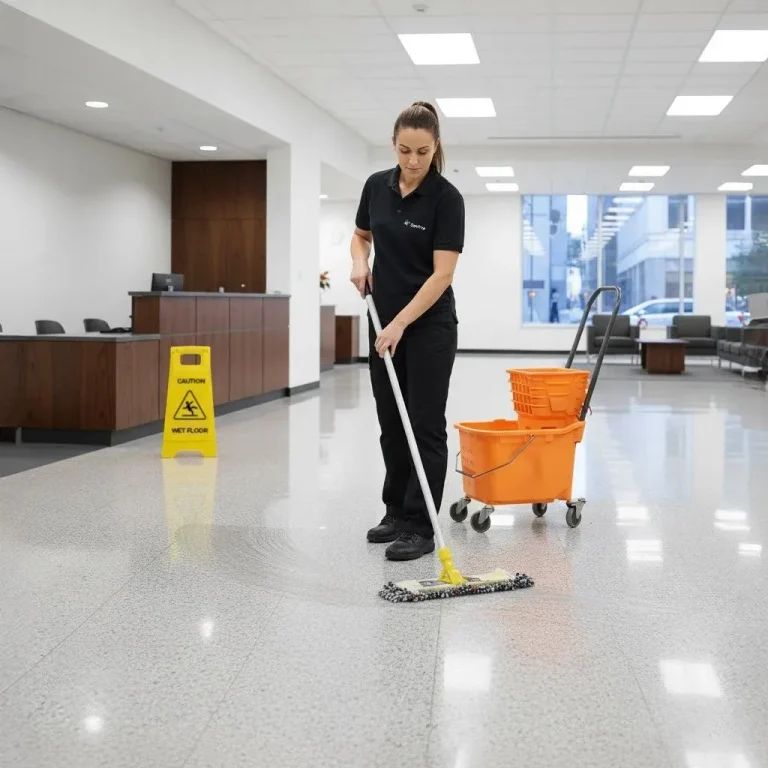
Professional floor cleaning involves selecting appropriate methods based on the flooring material and its condition. Depending on the surface, maintenance may include commercial vacuuming, machine scrubbing, suitable mopping procedures, stain treatment, and periodic deep cleaning.
Different flooring materials require different cleaning approaches. Using unsuitable chemicals or equipment can damage protective finishes and shorten the lifespan of flooring.
A consistent floor maintenance program helps preserve appearance, improve cleanliness, and support a safer workplace.
8. Your Business Has No Consistent Cleaning Schedule
If cleaning only happens when someone notices dirt, your business probably needs a more structured approach.
Reactive cleaning often results in inconsistent standards. Some areas may receive attention every day, while less visible spaces are neglected for weeks. This can allow dust, grime, waste, and other hygiene concerns to build up.
A professional commercial cleaning service can establish a cleaning schedule based on the size of the premises, number of employees, daily foot traffic, operating hours, and industry requirements.
High-traffic areas may require daily attention, while windows, carpets, upholstery, and other surfaces may need periodic deep cleaning.
A documented cleaning plan creates accountability and makes it easier to monitor whether essential tasks are being completed.
9. You Do Not Have the Right Cleaning Equipment or Products
Commercial properties often require equipment and cleaning products that are different from ordinary household supplies.
Standard mops, basic vacuum cleaners, and general-purpose products may not be sufficient for maintaining large offices, commercial flooring, shared facilities, and heavily used workspaces.
Using inappropriate products can also create problems. Certain chemicals may damage surfaces, leave residues, or be unsuitable for particular materials. Disinfectants must be used according to their product instructions, including the required contact time, to work as intended.
Professional cleaning teams have access to appropriate equipment and understand how to select suitable cleaning methods for different surfaces.
This helps businesses maintain better cleaning standards without having to purchase, store, and manage every piece of specialized cleaning equipment themselves.
10. Your Business Is Growing Faster Than Your Cleaning Capabilities
Business growth often means more employees, customers, equipment, visitors, and daily activity. As a result, cleaning requirements increase alongside the size of the operation.
A cleaning routine that worked for a small office may no longer be sufficient when the business expands into additional workspaces or operates across larger commercial premises.
More people using shared facilities also means higher cleaning demands for restrooms, kitchens, meeting rooms, entrances, and common areas.
A professional commercial cleaning service can adjust cleaning frequency and staffing according to changing business requirements. This makes it easier to maintain consistent standards as the company grows.
Planning for cleaning needs during business expansion helps prevent hygiene problems from becoming an ongoing operational challenge.
How a Professional Commercial Cleaning Service Works
A professional cleaning program generally begins with an assessment of the property. The cleaning provider considers the building layout, flooring materials, number of occupants, high-traffic areas, operating hours, and specific maintenance requirements.
This assessment helps determine which cleaning tasks are necessary and how frequently they should be performed.
A cleaning schedule is then developed around the business’s operational needs. Some workplaces require daily cleaning, while others may benefit from several scheduled visits each week combined with periodic deep cleaning.
During scheduled visits, cleaning personnel follow agreed procedures for tasks such as dust removal, vacuuming, floor maintenance, restroom sanitation, rubbish disposal, and cleaning frequently touched surfaces.
Quality checks and communication also play an important role. Regular inspections help identify missed tasks, recurring problems, and areas that require additional attention.
An effective cleaning program is not simply about making a building look clean. It is about maintaining consistent hygiene, protecting workplace surfaces, and creating an environment that supports everyday business operations.
What Makes a Commercial Cleaning Service Effective?
An effective commercial cleaning service combines trained personnel, appropriate equipment, reliable scheduling, and clear cleaning procedures.
Experience is important because different commercial environments have different requirements. An office, medical facility, retail store, and industrial workplace cannot necessarily follow the same cleaning routine.
Cleaning personnel should understand surface compatibility, safe chemical handling, proper equipment use, and the difference between routine cleaning, sanitizing, and disinfecting.
Consistency is equally important. A property may look excellent immediately after a deep clean, but maintaining that standard requires regular attention and a realistic maintenance schedule.
Communication and accountability also help determine service quality. Businesses should understand what is included in their cleaning agreement, which areas are covered, how often tasks are performed, and how concerns are reported.
The best cleaning arrangement is one that meets the actual needs of the property rather than providing unnecessary services or overlooking important areas.
Common Mistakes Businesses Make When Managing Commercial Cleaning
One common mistake is choosing a cleaning arrangement based entirely on the lowest price. While controlling operating expenses is important, an unusually low cleaning price may not include sufficient labour, appropriate equipment, detailed cleaning tasks, or adequate service frequency.
Another mistake is assuming that visible cleanliness means a workplace is hygienic. A polished reception desk does not guarantee that shared keyboards, door handles, kitchen surfaces, and restroom touchpoints receive proper attention.
Some businesses also overlook less visible areas, including corners, behind furniture, skirting boards, and accessible high-level surfaces. These areas can accumulate dust and grime when cleaning routines are poorly planned.
Using the same cleaning product for every surface is another avoidable problem. Different materials have different maintenance requirements, and unsuitable chemicals may cause damage.
Finally, businesses sometimes fail to review their cleaning arrangements as their operations change. An expanding workforce or increased customer traffic may require more frequent cleaning than the original schedule provides.
Avoiding these mistakes helps businesses maintain better cleaning standards and get more value from their cleaning investment.
Common Myths About Professional Commercial Cleaning
Myth: Professional Cleaning Is Only Necessary for Large Businesses
The reality is that businesses of different sizes can benefit from professional cleaning. Small offices, independent retail stores, clinics, and professional workplaces all have cleaning requirements that depend on occupancy, usage, and hygiene expectations.
Myth: Employees Can Handle All Commercial Cleaning Tasks
Employees can help maintain their own workspaces, but this does not replace a structured commercial cleaning program. Professional cleaning involves specialized equipment, appropriate methods, and dedicated time that employees may not have.
Myth: Cleaning and Disinfecting Are the Same Thing
Cleaning and disinfecting serve different purposes. Cleaning removes dirt and impurities from surfaces, while disinfecting uses suitable products to kill microorganisms on surfaces under specified conditions. Cleaning should generally happen before disinfection when a surface is visibly dirty.
Myth: Commercial Cleaning Is an Unnecessary Business Expense
Professional cleaning should be viewed as part of property maintenance and workplace management. Consistent cleaning helps protect surfaces, support hygiene, maintain presentation, and reduce the operational burden placed on employees.
Myth: One Deep Clean Is Enough to Maintain a Workplace
Deep cleaning can address accumulated dirt and neglected areas, but it does not replace regular maintenance. Commercial properties need ongoing cleaning based on how frequently different areas are used.
How Often Should a Business Schedule Professional Commercial Cleaning?
The ideal cleaning frequency depends on the type of business, property size, number of occupants, and daily foot traffic.
Busy offices may require daily cleaning of restrooms, kitchens, reception areas, and frequently used surfaces. Smaller workplaces with fewer occupants may need professional cleaning several times per week.
Retail stores and customer-facing businesses may require more frequent attention to entrances, floors, display areas, and public facilities because of continuous visitor activity.
Medical and other hygiene-sensitive environments may require more specific cleaning procedures and frequencies based on applicable regulations, infection prevention protocols, and industry guidance.
Carpets, windows, upholstery, and other surfaces may also require periodic deep cleaning beyond the normal maintenance schedule.
Rather than following a fixed schedule for every business, property owners should evaluate their actual cleaning requirements and adjust the frequency as conditions change.
Frequently Asked Questions About Commercial Cleaning Services
What Is Included in a Professional Commercial Cleaning Service?
A professional commercial cleaning service may include office cleaning, floor maintenance, vacuuming, dusting, restroom cleaning, kitchen sanitation, rubbish removal, and cleaning of frequently touched surfaces. Additional services may include window cleaning, carpet cleaning, and periodic deep cleaning, depending on the provider and agreed service package.
How Much Does Commercial Cleaning Cost?
Commercial cleaning costs depend on the property size, cleaning frequency, type of facility, required tasks, labour requirements, and specialized equipment. Businesses with larger premises or more demanding hygiene requirements may need a more comprehensive cleaning arrangement. Requesting a property assessment and detailed quotation is the best way to understand the expected cost.
Is Professional Commercial Cleaning Better Than In-House Cleaning?
Professional cleaning can provide dedicated personnel, suitable equipment, structured procedures, and consistent maintenance without requiring employees to manage every cleaning responsibility. In-house cleaning may still be suitable for some businesses, but professional support can be beneficial when the property has demanding cleaning requirements.
Can Commercial Cleaning Improve Employee Productivity?
A clean and organized workplace supports a more comfortable working environment. It can reduce distractions caused by untidy shared spaces, help employees access properly maintained facilities, and allow staff to focus on their primary responsibilities instead of handling extensive cleaning tasks.
What Is the Difference Between Commercial Cleaning and Deep Cleaning?
Regular commercial cleaning focuses on maintaining everyday cleanliness through scheduled tasks such as vacuuming, dusting, restroom maintenance, and surface cleaning. Deep cleaning involves more detailed attention to accumulated dirt and areas that may not receive regular maintenance. Both approaches can work together as part of a complete cleaning program.
Why Should Businesses Hire Professional Commercial Cleaners?
Businesses hire professional cleaners to maintain consistent cleaning standards, reduce the workload on employees, access appropriate equipment, and keep their premises presentable. Professional cleaning can also help businesses address specific hygiene requirements and maintain different areas according to their usage.
How Do I Choose the Right Commercial Cleaning Company?
Look for a provider with relevant commercial cleaning experience, clear service agreements, trained personnel, appropriate equipment, reliable scheduling, and good communication. Ask which tasks are included, how quality is monitored, and whether the cleaning schedule can be adjusted as your business needs change.
Key Takeaways: Recognizing When Your Business Needs Professional Cleaning
A business that constantly struggles with dirty surfaces, unpleasant restroom odours, dust accumulation, employee complaints, and inconsistent cleaning standards may need professional support. These problems often indicate that the existing cleaning routine is no longer meeting the demands of the workplace.
A professional commercial cleaning service provides a structured approach to workplace maintenance through trained cleaning personnel, appropriate equipment, scheduled cleaning, and consistent quality checks.
Investing in professional cleaning is not simply about improving appearances. It helps businesses maintain cleaner facilities, support employee wellbeing, create positive customer experiences, and protect their commercial properties over time.
The right cleaning schedule should reflect the size of the premises, the number of people using the facilities, and the specific cleaning requirements of the business.
Conclusion: Keep Your Business Clean, Healthy, and Professional
Your workplace deserves more than occasional cleaning. Whether you manage an office, retail store, medical facility, or other commercial property, maintaining a clean environment is essential for protecting your employees, welcoming customers, and supporting smooth daily operations.
If you recognize several of these warning signs in your business, it may be time to review your current cleaning arrangements. Waiting until dirt, hygiene complaints, or maintenance problems become noticeable can make workplace management more difficult.
CleanPro understands the importance of maintaining professional commercial spaces through reliable cleaning and consistent attention to detail. Having the right cleaning support can make it easier to maintain a welcoming, hygienic, and well-presented workplace.
Contact CleanPro today to discuss your commercial cleaning requirements and discover a cleaning solution that helps keep your business looking its best.